
A Formal Guide to Transitioning from Brunette to Icy Blonde
Transform from brunette to icy blonde safely. Learn the formal, informed process, protective techniques, and essential aftercare for healthy results.

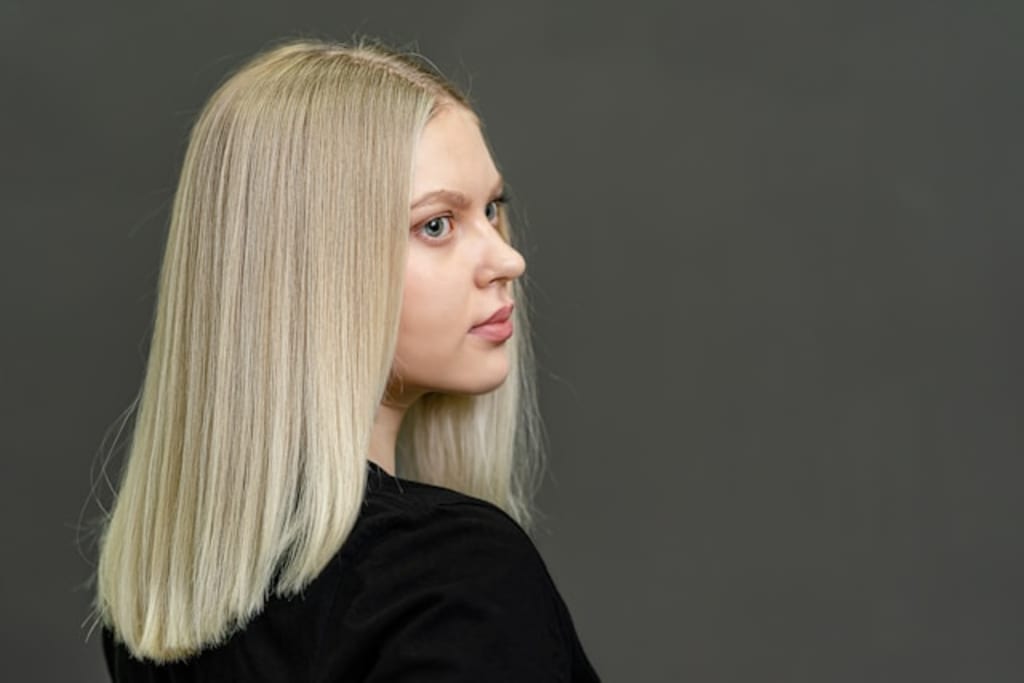
The transformation from a deep brunette shade to an icy blonde tone is among the most striking changes in hair color. While highly desirable for its elegance and bold impact, this shift requires careful consideration and a structured approach. Many individuals hesitate to pursue such a dramatic change due to concerns about breakage, dryness, or long-term damage. However, with modern coloring techniques, scientific advancements in protective treatments, and appropriate aftercare, it is possible to achieve an icy blonde result without compromising the structural integrity of the hair. This article provides a comprehensive, formal overview of the process, focusing on the science of color lifting, the methods used to minimize damage, and the maintenance required to sustain a healthy blonde tone.
The Scientific Basis of Hair Lightening
Hair color is determined primarily by natural pigments, including eumelanin, which produces brown and black shades, and pheomelanin, which creates red and yellow tones. For individuals with dark brunette hair, eumelanin exists in high concentration and must be broken down in stages to achieve a blonde result. When bleach is applied, it penetrates the cuticle and oxidizes pigment molecules. This process does not occur instantaneously. Instead, the hair passes sequentially through visible undertones, including red, orange, and yellow, before it reaches the pale stage required for an icy blonde finish.
Attempting to bypass these stages in a single session is often detrimental. Excessive stress placed on the hair shaft may lead to breakage, brittleness, and irreversible damage. For this reason, professional colorists employ a gradual approach. By conducting multiple sessions, spaced over time, they allow the hair to rest and recover between treatments. Intermediate shades such as caramel, honey, or ash blonde frequently emerge as part of this progression, and they represent essential transitional steps toward the ultimate target of icy blonde.
Professional Strategies for Minimizing Damage
Modern coloring techniques offer sophisticated solutions for protecting hair during lightening. One of the most notable advancements has been the introduction of bond-building treatments. Products such as Olaplex or K18 have been designed to repair and reinforce disulfide bonds within the hair shaft. These bonds are crucial to structural integrity, and once broken, the hair becomes significantly weaker. By applying bond-building agents throughout the bleaching process, professionals help maintain strength, elasticity, and resilience.
In addition to bond builders, the careful selection of developer strength plays a critical role in safe lightening. Rather than relying on high-volume developers that aggressively strip pigment, professional colorists often choose lower-volume formulas, repeating the process across multiple sessions. This method provides a gentler lift and reduces the risk of cuticle damage. Ammonia-free formulations, oil-enriched mixtures, and protective serums may also be incorporated into the bleach solution to provide supplementary defense.
Attempting this transition independently with at-home kits is strongly discouraged. Commercial bleaching products frequently lack advanced protective technology, and without expert oversight, there is considerable risk of uneven application, patchy results, or severe damage. A professional salon environment ensures that appropriate products and procedures are employed to achieve both safety and precision.
Post-Color Maintenance and Hair Care
Reaching an icy blonde shade is not the conclusion of the process but the beginning of an ongoing maintenance regimen. Lightened hair is inherently more porous than untreated hair, meaning it is prone to rapid moisture loss and increased vulnerability to environmental stressors. As such, hydration becomes a central focus in post-color care. Deep conditioning masks enriched with natural oils such as argan, coconut, or jojoba are recommended on a weekly basis to restore suppleness and prevent dryness.
Toning is equally important. Blonde shades, particularly icy tones, are susceptible to brassiness as residual warm pigments attempt to re-emerge. Purple shampoos and conditioners serve as corrective products, neutralizing yellow or orange undertones through the principles of color theory. When used judiciously, typically once or twice per week, they help sustain the cool, silvery appearance. Overuse, however, may result in a muted or excessively ashy tone.
Thermal styling requires further moderation. Flat irons, curling wands, and high-heat blow dryers can exacerbate dryness and compromise the cuticle. When heat styling is unavoidable, protective sprays should be applied, and temperatures should remain at moderate levels. Routine trimming every six to eight weeks assists in the removal of split ends, preserving both the visual quality and the structural health of the hair. Furthermore, scalp care should not be neglected. Treatments such as gentle exfoliating scrubs and nourishing serums contribute to improved circulation, creating a healthier foundation for hair growth.
Commitment and Considerations for Icy Blonde
Transitioning to icy blonde requires not only technical expertise but also a long-term personal commitment. Root regrowth is highly visible against lightened hair, and as a result, salon appointments for touch-ups are generally necessary every four to six weeks. Consistency in these visits ensures a uniform and refined appearance.
The financial implications of this transition should also be acknowledged. Professional bleaching, bond-repairing treatments, purple-based shampoos, and restorative conditioning products represent a significant investment. Nevertheless, these expenses are essential to maintaining both the integrity and the brilliance of icy blonde hair.
Time and patience form additional requirements. Individuals with virgin brunette hair may achieve results more readily than those whose hair has undergone previous chemical processing. Box dyes, relaxers, or other treatments can lengthen the process considerably. Accepting this gradual timeline protects the hair and prevents irreversible damage.
Finally, considerations of personal style and complexion are central to the decision-making process. While icy blonde complements cooler skin undertones particularly well, variations such as silver-beige or platinum blends can be customized to suit warmer undertones. Professional consultation ensures that the final tone harmonizes with the individual’s natural features, enhancing overall appearance.
The transformation from brunette to icy blonde is a significant but attainable goal when approached with knowledge, professional expertise, and commitment to proper care. Understanding the stages of pigment lifting, applying advanced protective treatments, and adhering to a structured maintenance routine are all fundamental to achieving success. With patience and consistent investment, it is possible to obtain an icy blonde result that is both visually striking and structurally sound.
This process is not merely a cosmetic change but a carefully managed scientific transformation. By following formal, informed steps and seeking the guidance of experienced professionals, individuals may confidently pursue the shift from brunette to icy blonde while preserving the health and resilience of their hair.
About the Creator
Francesco Gurnari
Francesco Gurnari is a seasoned Hair Stylist and Colorist based in Norwalk, CT, with over 15 years of experience in the beauty industry.
https://francescogurnarict.com/
Keep reading
More stories from Francesco Gurnari and writers in Viva and other communities.
Mastering the Craft: How Precision and Style Shape the Modern Men’s Haircut
In the world of men’s grooming, haircuts have become far more than just a routine necessity. They have evolved into a significant form of self-expression, combining sharp technique with personalized flair. Whether it’s a bold fade, a timeless pompadour, or a textured crop, men’s haircuts now serve as a way to showcase personality, lifestyle, and individuality. As men’s grooming continues to grow in sophistication, the role of precision and style in shaping the modern haircut has become even more essential.
By Francesco Gurnari7 months ago in Education
Is Lab-Grown Meat Even Edible?
For decades, the idea of meat grown in a laboratory sounded like something out of science fiction. The concept of producing a steak or chicken nugget without raising or slaughtering animals seemed futuristic, even unsettling to many people.
By Navigating the World4 days ago in Viva


Comments
There are no comments for this story
Be the first to respond and start the conversation.