
The International Organization
What role do international organizations, such as the United Nations, play in shaping global criminal law?
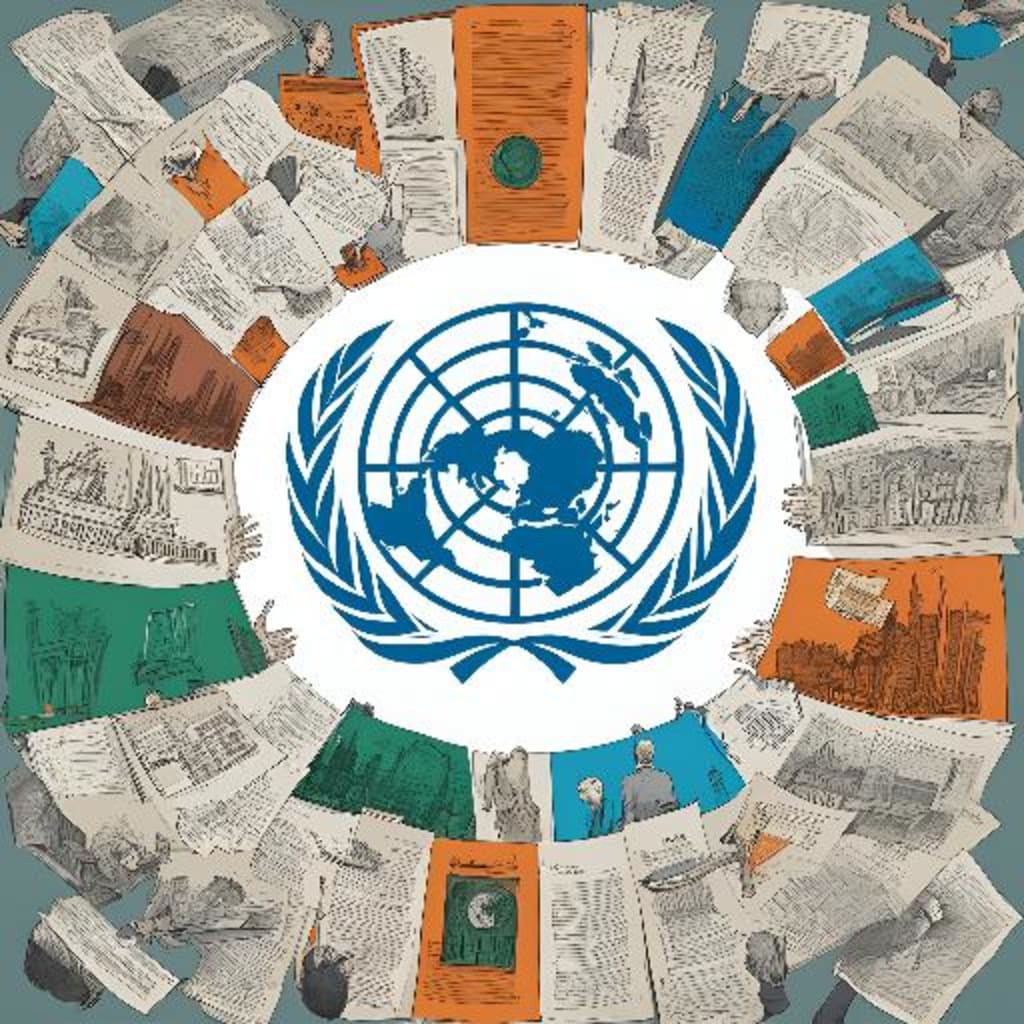
Global criminal law refers to a body of laws and agreements that are recognized and enforced by multiple countries to address crimes that have international implications. These include crimes like genocide, human trafficking, drug smuggling, terrorism, and organized crime. International organizations such as, The United Nations (UN) play an essential role in shaping these laws, providing frameworks for collaboration, and ensuring that justice is served on a global scale.
The United Nations and Global Criminal Law
The United Nations, established in 1945, has been instrumental in addressing global peace and security. Through its various agencies and programs, the UN shapes global criminal law in several ways:
1. Establishing International Norms: The UN helps establish legal norms by creating conventions and treaties that address international crimes. The UN Convention against Transnational Organized Crime (UNTOC), for example, is one of the main international treaties that provides a framework for nations to combat organized crime. By ratifying such treaties, member states agree to incorporate these legal standards into their national laws.
2. International Criminal Court (ICC): The establishment of the ICC in 2002 marked a significant development in global criminal law. The ICC, although independent from the UN, is a product of the Rome Statute, which many UN member states have signed. The ICC prosecutes individuals for crimes of genocide, war crimes, and crimes against humanity. The existence of the ICC demonstrates the influence of the UN in fostering international cooperation to hold perpetrators accountable for serious global crimes.
3. Promoting Cooperation: The UN acts as a platform where nations collaborate to address criminal issues that transcend borders. Agencies such as the United Nations Office on Drugs and Crime (UNODC) work to facilitate international cooperation by providing member states with technical assistance, research, and the means to implement criminal justice reforms. UNODC also assists in coordinating cross-border investigations into crimes such as drug trafficking and terrorism, ensuring that countries can collaborate in tracking and prosecuting offenders.
4. Addressing Human Rights Violations: Through the UN Human Rights Council and other bodies, the UN helps to identify and address human rights violations that intersect with global criminal law. For instance, crimes such as human trafficking and war crimes are often tied to larger human rights abuses. By focusing on human rights, the UN influences legal frameworks that protect individuals from criminal exploitation and violence.
5. Special Tribunals: The UN has also been involved in the establishment of special tribunals to address specific international crimes, such as the International Criminal Tribunal for the former Yugoslavia (ICTY) and the International Criminal Tribunal for Rwanda (ICTR). These tribunals were set up to prosecute individuals responsible for war crimes, genocide, and crimes against humanity during conflicts in these regions. The success of these tribunals demonstrated the importance of international organizations in ensuring accountability for grave crimes.
Challenges in Shaping Global Criminal law
Although international organizations like the UN play a crucial role in shaping global criminal law, several challenges exist:
Some countries including the United states, Russia, China and India are not parties to certain international treaties or ICC (due to the failures of the League of Nations in the 1920s.), limiting the reach and effectiveness of global criminal law. Even when international criminal laws are established, enforcement can be difficult. Without the cooperation of major global powers, international organizations are often left without the means to hold influential states or individuals accountable for violations of global criminal law, creating gaps in global justice. International organizations also face the challenge of reconciling diverse legal systems and cultural practices when shaping global criminal law. Legal traditions, such as common law, civil law, and Sharia law, differ significantly across countries, making it difficult to create universal standards for addressing criminal behavior. For example, the definition of crimes like terrorism, human trafficking, or drug smuggling may vary from one region to another, leading to inconsistencies in how these crimes are prosecuted and punished. This legal diversity complicates efforts to establish unified frameworks for global criminal law.
About the Creator
Judy Odiete
I focus on writing about contemporary issues and their impact on our world.
Keep reading
More stories from writers in Unbalanced and other communities.
Wild Card Weekend Recap: What Happens Now?
I think I figured out why I love Wild Card Weekend so much. It's because it's the first playoff anything of the calendar year. The NFL season starts in the fall, and once upon a time, the champion was crowned either on or slightly before New Year's. The evolution of the NFL schedule has resulted in the playoffs starting just into the New Year, and currently, the final week of the season falls on the first weekend of the New Year, with Wild Card Weekend coming a week after that. So yes, chronologically, the NFL's Wild Card Weekend serves as the first playoff anything of the calendar year.
By Clyde E. Dawkins8 days ago in Unbalanced
China Asks Companies to Stop Using US and Israeli Cybersecurity Software
China has told many of its companies to stop using cybersecurity software made by firms from the United States and Israel, according to people familiar with the matter. This move shows how serious China is about protecting its data and reducing its reliance on foreign technology. It also highlights the growing technology and political tensions between China and Western countries.
By sehzeen fatima7 days ago in Unbalanced



Comments
There are no comments for this story
Be the first to respond and start the conversation.