
THE GROWTH OF WOMEN'S WEIGHTLIFTING IN THE OLYMPICS
The Rise of Women in Olympic Weightlifting:BREAKING BARRIERS AND SHAPING THE FUTURE

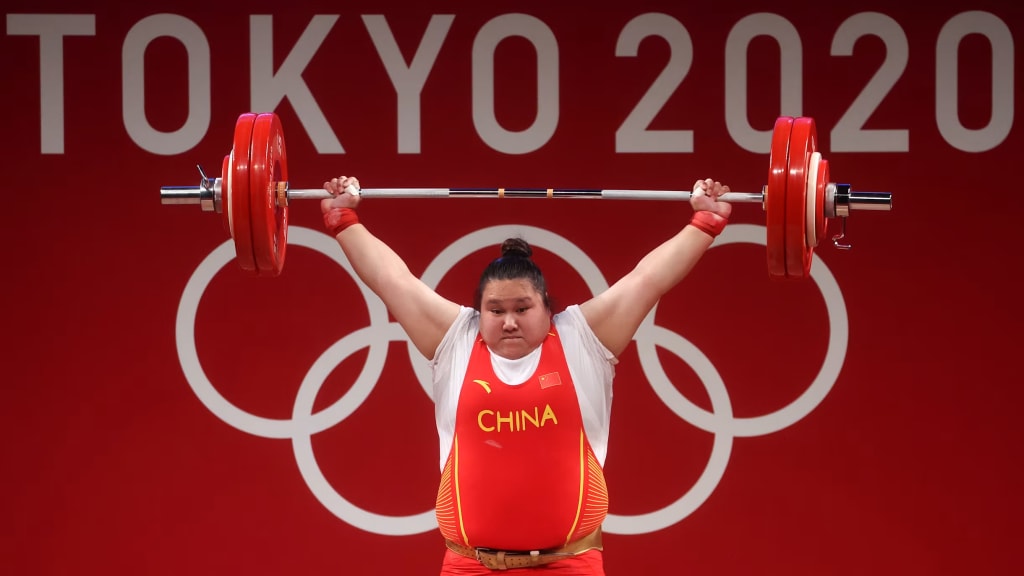
The Growth of Women's Weightlifting in the Olympics
Women’s weightlifting in the Olympics has seen significant transformation and growth over the years, from its introduction to the modern Olympic Games to the global recognition it enjoys today. This journey is one of overcoming societal expectations, challenging gender norms, and showcasing strength and resilience in the face of adversity. Women's weightlifting in the Olympics not only exemplifies athletic excellence but also represents the ongoing fight for gender equality in sports.
Early Struggles and Exclusion from the Olympics
Although weightlifting has been a part of the Olympics since 1896 for men, women were not included in the sport for many decades. The exclusion of women from weightlifting was rooted in the prevailing cultural norms of the time, which viewed the sport as too “masculine” for women. The belief that women were physically incapable of lifting heavy weights was widely accepted, despite the fact that women excelled in other physically demanding sports.
For many years, women fought for the right to compete in Olympic weightlifting. During the 20th century, female athletes began to challenge these stereotypes by competing in national and international weightlifting events. However, it wasn’t until much later that the sport made its Olympic debut for women.
The Historic Debut in 2000
The breakthrough moment came at the 2000 Sydney Olympics, when women’s weightlifting was officially included in the program. This was a landmark achievement for women’s sports, as it marked the first time that female athletes were allowed to compete in weightlifting at the Olympic level. The event featured four weight classes, and women from around the world competed fiercely for the coveted Olympic medals.
The inclusion of women’s weightlifting in the Sydney Olympics was part of the broader movement to ensure gender equality in Olympic sports. Over the years, there has been a concerted effort to introduce more women’s events across various disciplines, and weightlifting was a significant part of that progress.
The Growth and Popularization of Women's Weightlifting
Since its Olympic debut in 2000, women’s weightlifting has grown in both popularity and global representation. Initially, it began with limited participation, but as more countries recognized the sport’s potential, the number of competitors increased significantly. Female athletes from countries such as China, Russia, the United States, and Kazakhstan quickly became dominant forces in the sport.
One of the key factors driving the growth of women’s weightlifting is the increasing investment in women's sports programs. National governing bodies for weightlifting and sports organizations around the world have recognized the importance of providing equal opportunities for women to compete at the highest levels. This has led to better training, more support, and greater visibility for female weightlifters, who now serve as role models for future generations.
In addition to institutional support, the media has played a significant role in the sport’s development. As more female athletes gain recognition for their accomplishments, the media coverage of women’s weightlifting has increased, helping to change perceptions about women in strength sports. The visibility of Olympic competitions, along with major international events such as the World Weightlifting Championships, has provided a platform for women to showcase their incredible strength and skill.
Milestones and Role Models
The growth of women’s weightlifting in the Olympics would not be what it is today without the achievements of legendary athletes who have pushed the boundaries of the sport. Notable women such as Nina Stotland, Tatiana Kashirina, and Cheryl Haworth have become pioneers in the sport, breaking records and winning gold medals in weightlifting events.
One of the most iconic moments came during the 2000 Sydney Olympics when Haley Reichardt from the United States competed in the inaugural women's weightlifting event. Although she did not win a medal, her performance was a significant step forward in the development of the sport.
Another trailblazer is Liu Chunhong of China, who set multiple world records and won two Olympic gold medals (2004 and 2008), becoming one of the most celebrated figures in the history of women’s weightlifting. Similarly, Sally McPherson of Australia, Katherine Nye from the U.S., and Li Yajun of China have continued to set high standards for the next generation of athletes.
These athletes' successes have not only elevated the sport’s profile but have also shown the world that women can compete in strength-based sports just as effectively as men.
Challenges and the Road Ahead
Despite the progress that women’s weightlifting has made in the Olympics, challenges remain. One significant challenge is the issue of weight class disparity, which still limits the diversity of the sport’s representation. Many weightlifting organizations are working to address this, striving for greater inclusion and representation across all body types. Additionally, there is the ongoing fight for equal pay and sponsorship opportunities for women in weightlifting, as female athletes are often underrepresented in terms of financial support compared to their male counterparts.
As the sport continues to evolve, the future of women’s weightlifting looks promising. More countries are recognizing the talent of their female weightlifters and providing them with the tools and resources they need to succeed. Furthermore, women’s weightlifting continues to serve as a powerful symbol of breaking down gender stereotypes and challenging outdated views about what women can achieve.
Conclusion
The growth of women’s weightlifting in the Olympics is a testament to the perseverance of female athletes and the broader movement toward gender equality in sports. What began as a struggle for inclusion has now become a vibrant and competitive Olympic event, showcasing the strength, skill, and determination of women from all corners of the globe. The future of women’s weightlifting is bright, and as the sport continues to grow, it will undoubtedly inspire new generations of athletes to take up the challenge and redefine what is possible in the world of strength sports.
About the Creator
Badhan Sen
Myself Badhan, I am a professional writer.I like to share some stories with my friends.
Keep reading
More stories from Badhan Sen and writers in Unbalanced and other communities.
THE TRANSFORMATION OF WOMEN'S SOCCER IN THE OLYMPICS
The Transformation of Women's Soccer in the Olympics Women's soccer in the Olympics has undergone a significant transformation since its inception, evolving from a minor event to one of the most popular and competitive tournaments. This transformation reflects not only the increasing recognition of women’s sports but also the broader societal changes regarding gender equality and women’s empowerment. The journey of women's soccer in the Olympic Games can be divided into several phases, each marked by milestones that have shaped the sport as we know it today.
By Badhan Senabout a year ago in Unbalanced
Wild Card Weekend Recap: What Happens Now?
I think I figured out why I love Wild Card Weekend so much. It's because it's the first playoff anything of the calendar year. The NFL season starts in the fall, and once upon a time, the champion was crowned either on or slightly before New Year's. The evolution of the NFL schedule has resulted in the playoffs starting just into the New Year, and currently, the final week of the season falls on the first weekend of the New Year, with Wild Card Weekend coming a week after that. So yes, chronologically, the NFL's Wild Card Weekend serves as the first playoff anything of the calendar year.
By Clyde E. Dawkins6 days ago in Unbalanced
Homestand Part II: Not-So-Usual Suspects
On Thursday, the Colorado Avalanche's long homestand began against the Ottawa Senators, and it was a slaughter. An 8-2 victory that saw the Avs put six pucks in the net during the middle period. Martin Necas and Brock Nelson each reached the 20-goal mark during that game, and the highlight was Josh Manson's Gordie Howe Hat Trick--two goals, two assists, and a fight, with his dad, legendary player Dave Manson, in attendance.
By Clyde E. Dawkins7 days ago in Unbalanced




Comments (1)
This is a great article on this sport, but sometimes it is hard to tell the difference between the men and women even though the women wear bikini tops.