
Lord’s Cricket Ground: The Heart of the Game
Discover why Lord’s is cricket’s most iconic and sacred venue

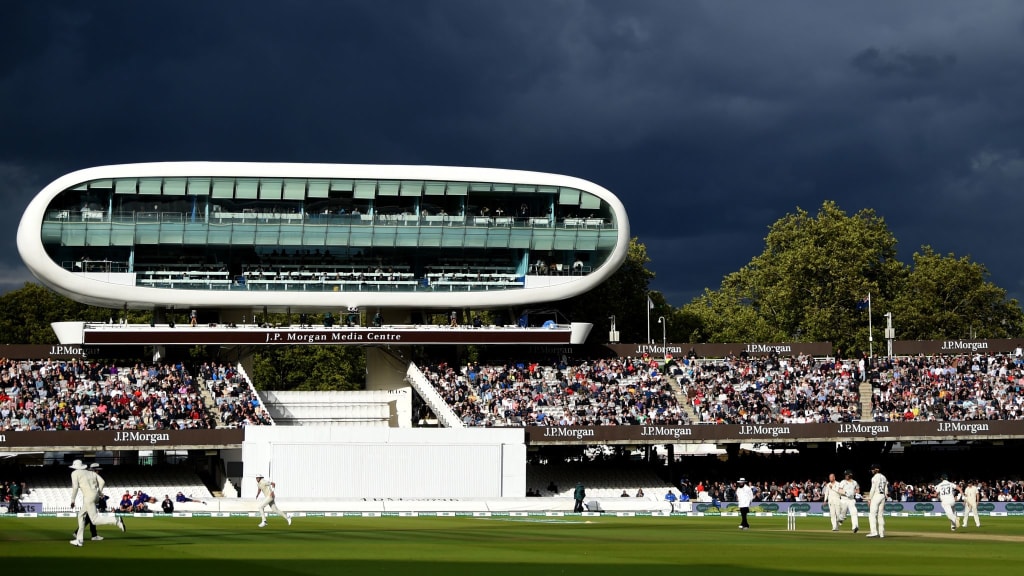
Cricket is more than just a sport — for millions, it’s emotion, tradition, and pride. And when people speak of cricket’s legacy, one name always rises above the rest — Lord’s Cricket Ground. Known as the “Home of Cricket,” this historic stadium in London has witnessed some of the greatest moments the game has ever seen.
But what makes Lord’s so special? Let’s explore the three main topics that define its legendary status: History and Origins, Unique Features, and Cultural Importance.
1. The Glorious History and Origins of Lord’s
Lord’s was established in 1814 by Thomas Lord, a former cricketer and businessman. He created the ground as a new venue for the Marylebone Cricket Club (MCC), which remains one of the most powerful cricket institutions to this day. Over two centuries, Lord’s has hosted some of the earliest international matches, Ashes Tests, and World Cup finals.
Legends like Don Bradman, W.G. Grace, Ian Botham, and Sachin Tendulkar have graced this ground. The stadium has seen heartbreaks, triumphs, and records that will live forever. From England's historic Ashes victories to India's unforgettable 1983 World Cup win — Lord’s is where cricket history is written.
In many ways, Lord’s is like the Wembley of football or the Mecca of boxing — it is where careers begin, peak, or end in unforgettable ways.

2. Unique Features That Make Lord’s Special
Lord’s isn’t just about history — it also has physical features that make it stand out from every other stadium in the world.
One of the most famous is the Lord’s slope — the pitch has a 2.5-meter slope from one end to the other. This makes bowling and batting a true test of skill, as the ball behaves differently based on which end you're playing from.
Then there’s the iconic Pavilion, a red-brick building filled with charm, tradition, and strict dress codes. Only players in the match or honored guests may enter its Long Room, where cricketers must walk through a hallway of legends before stepping onto the field.
The Media Centre, built in 1999, offers a futuristic contrast to the old Pavilion. It won the prestigious Stirling Prize for architecture and shows how Lord’s balances tradition with innovation.
Also, Lord’s houses the MCC Museum, where the original Ashes urn is kept. This makes it a dream destination for cricket fans worldwide.

3. Lord’s and Its Global Cultural Importance
Lord’s is not just important for England. It belongs to the entire cricketing world.
Cricketers from India, Pakistan, Australia, New Zealand, South Africa, and other nations view Lord’s as the ultimate stage. Scoring a century or taking a five-wicket haul at Lord’s means your name goes on the Lord’s Honours Board, a dream of every international cricketer.
Lord’s is also a center for diplomacy and unity. It has hosted matches during times of tension and peace alike. In 2019, Lord’s was the venue for the greatest World Cup final in cricket history — when England and New Zealand battled in a thrilling tie that went to a Super Over.
Even in today’s T20 era, Lord’s remains the gold standard of cricket. Its atmosphere, tradition, and respect for the game make it a spiritual place for players and fans alike.
Lord’s Cricket Ground isn’t just a stadium. It’s a living museum, a cultural symbol, and a place where cricket becomes poetry. Whether you’re sitting in the stands or watching from home, when the camera pans across that lush green field and the red Pavilion, you know — this is the heart of the game.
. . . . . . . . . . . . .
About the Creator
majid ali
I am very hard working give me support
Keep reading
More stories from majid ali and writers in Unbalanced and other communities.
Cristiano Ronaldo: The Mindset Behind the Legend
Cristiano Ronaldo is more than just a football player — he is the embodiment of discipline, hard work, and relentless ambition. Born on February 5, 1985, in Madeira, Portugal, Ronaldo rose from humble beginnings to become one of the greatest athletes of all time. His journey is not just about trophies and goals, but about the mindset that pushed him to greatness.
By majid ali8 months ago in Unbalanced
Welcome Back, Nazem Kadri
Some things just feel right, but more on that later. Coming off a big road win in Dallas, the Colorado Avalanche returned home and faced off against the other thorn in the division: the Minnesota Wild. This was big day game for the Avs, not just because of the division rivalry, but the fact that the Avs' deadline acquisitions would be playing at Ball Arena. Scott Wedgewood was in net against Jesper Wallstedt, and the game was off to an amazing start. Avs were shooting at will, bringing some early pressure towards Wallstedt.
By Clyde E. Dawkins7 days ago in Unbalanced




Comments
There are no comments for this story
Be the first to respond and start the conversation.