
Inside the Minds of the Best Defensive Coaches in NFL History
Master Strategists Who Redefined the Art of Defence

Inside the Minds of the Best Defensive Coaches in NFL History
Master Strategists Who Redefined the Art of Defence
In the National Football League (NFL), defence has often been the cornerstone of championship success. The old adage, “Defence wins championships,” rings true for a reason. While offensive plays may steal the headlines, it is often the defensive strategy that ensures victory. Behind these strategies are brilliant minds; defensive coaches who analyse, adapt, and counter the most potent offences in the league.
This article explores the methods, philosophies, and legacies of the greatest defensive coaches in NFL history. Their ability to craft impenetrable defences not only defined their careers but also left an indelible mark on the game.
1. Crafting a Defensive Philosophy
At the heart of every successful defensive coach is a well-defined philosophy. This blueprint guides how their teams operate on the field, dictating everything from player selection to game-day tactics.
For example, Tom Landry’s “Flex Defence” was a revolutionary approach that emphasised adaptability and control. Landry’s system allowed defenders to react dynamically to offensive plays, neutralising threats with precision. Similarly, Tony Dungy’s “Tampa 2 Defence” focused on discipline, speed, and coverage, creating a style of play that prioritised minimising big plays and forcing turnovers.
These philosophies became more than just strategies; they became identities for their respective teams, demonstrating the profound influence of defensive coaches.
2. Strategic Genius: Adapting to Opponents
The best defensive coaches possess an uncanny ability to read the game and adapt to their opponents. They are master tacticians who can dissect offensive schemes and devise countermeasures.
Consider Bill Belichick, widely regarded as one of the greatest defensive minds in NFL history. His ability to neutralise star players and create confusion for opposing quarterbacks is unparalleled. Belichick’s defences are known for their flexibility, often changing schemes mid-game to exploit weaknesses. His game plan against the Buffalo Bills in Super Bowl XXV, which focused on limiting Thurman Thomas, is a masterclass in defensive strategy.
Such adaptability exemplifies the intelligence and preparation required to outwit offensive masterminds.
3. Player Development: Turning Talent into Excellence
Exceptional defensive coaches understand the importance of moulding their players. They identify raw talent and refine it, transforming athletes into disciplined, high-performing defenders.
Dick LeBeau, a legendary figure in NFL history, epitomises this approach. As the architect of the “Zone Blitz,” LeBeau not only innovated defensive strategy but also developed players to execute it flawlessly. Under his guidance, defenders like Troy Polamalu flourished, becoming game-changing forces on the field.
This emphasis on development highlights the human touch in coaching, investing time and effort to maximise a player’s potential.
4. Building a Culture of Toughness
Defence is as much about mind-set as it is about strategy. The best defensive coaches cultivate a culture of toughness and resilience within their teams.
Buddy Ryan, the mastermind behind the Chicago Bears’ iconic 46 Defence, instilled an aggressive, hard-nosed mentality in his players. His system prioritised relentless pressure on quarterbacks, intimidating offences into submission. The 1985 Bears, arguably the greatest defensive team in NFL history, exemplified this mind-set, allowing an average of just 12.4 points per game.
Such cultures are built on trust, accountability, and an unrelenting will to win. They create a sense of unity and purpose that transcends the playbook.
5. Game-Day Execution: Precision under Pressure
Even the most brilliant strategies are meaningless without flawless execution. Defensive coaches must ensure their teams remain composed and disciplined under pressure.
Monte Kiffin, a pioneer of the “Tampa 2 Defence,” excelled in preparing his players for high-stakes moments. His attention to detail and emphasis on execution helped the Tampa Bay Buccaneers secure their first Super Bowl victory in 2002. Kiffin’s ability to maintain calm and focus among his players in crucial situations was instrumental in their success.
Game-day excellence is the culmination of countless hours of preparation, and the best defensive coaches ensure every detail is accounted for.
6. Legacy through Innovation
Defensive coaches who leave a lasting legacy are often those who introduce ground-breaking concepts to the game. Their innovations not only secure victories but also influence the league for generations.
Bill Arnsparger, the architect of the Miami Dolphins’ “No-Name Defence” and later the “Killer B’s,” is a prime example. His inventive schemes prioritised teamwork and versatility, proving that star power isn’t a prerequisite for defensive dominance.
Similarly, George Allen’s emphasis on special teams and situational defence laid the groundwork for modern defensive strategies, showcasing the importance of innovation in shaping the game.
7. Emotional Intelligence: Connecting with Players
Beyond tactics and strategy, great defensive coaches excel in building relationships with their players. They understand the emotional aspect of the game, motivating and inspiring their teams to give their best.
Tony Dungy’s calm and composed demeanour is a testament to this approach. His ability to connect with players on a personal level fostered trust and loyalty, which translated into on-field success. Dungy’s influence extended beyond football, as he became a role model for leadership and integrity.
This human connection adds depth to a coach’s legacy, illustrating that success is not just about victories but also about the lives they impact.
8. Adapting to a Changing Game
The NFL is constantly evolving, and defensive coaches must adapt to new trends and challenges. The rise of high-powered offences and mobile quarterbacks has pushed defensive minds to innovate further.
Coaches like Wade Phillips have demonstrated remarkable adaptability throughout their careers. Phillips’ ability to evolve his schemes to counter modern offences, such as his game plan in Super Bowl 50 with the Denver Broncos, underscores the importance of staying ahead of the curve.
Adaptability ensures that defensive coaches remain relevant and effective, regardless of how the game changes.
9. Measuring Success: Beyond Championships
While Super Bowl victories often define legacies, the true measure of a defensive coach’s success lies in their long-term impact. This includes the systems they create, the players they develop, and the innovations they introduce.
Coaches like Tom Coughlin, known for his defensive acumen, have shown that success is not solely about trophies but also about the lasting influence they have on the game. Their ability to elevate teams and inspire future generations of coaches cements their place in NFL history.
10. Inspiring the Next Generation
The influence of great defensive coaches extends far beyond their careers. They inspire the next generation of coaches, passing down knowledge and philosophies that shape the future of the NFL.
The coaching trees of legends like Bill Belichick and Tony Dungy are testaments to their impact. These trees are filled with disciples who carry forward their principles, ensuring that their contributions continue to influence the game.
A Legacy Etched in Defence
The best defensive coaches in NFL history have left an indelible mark on the sport. Their ability to craft strategies, inspire players, and adapt to challenges sets them apart as true masterminds of the game.
Through their vision and dedication, these coaches have redefined what it means to excel in defence. They remind us that greatness is built not just on victories but on the systems, cultures, and legacies they leave behind. As the game continues to evolve, their stories remain a source of inspiration, demonstrating the enduring power of defence in shaping the NFL’s history.
About the Creator
Mutonga Kamau
Mutonga Kamau, founder of Mutonga Kamau & Associates, writes on relationships, sports, health, and society. Passionate about insights and engagement, he blends expertise with thoughtful storytelling to inspire meaningful conversations.
Keep reading
More stories from Mutonga Kamau and writers in Unbalanced and other communities.
How NFL Coaches Build Championship Teams from Scratch
How NFL Coaches Build Championship Teams from Scratch The Art of Turning Vision into Victory Building a championship team in the NFL is a feat of extraordinary vision, planning, and leadership. It requires more than just assembling talented players; it involves fostering a culture of excellence, trust, and unity. The road to NFL glory is paved with relentless effort, strategic acumen, and the ability to adapt to ever-changing circumstances.
By Mutonga Kamauabout a year ago in Unbalanced
Wild Card Weekend Recap: What Happens Now?
I think I figured out why I love Wild Card Weekend so much. It's because it's the first playoff anything of the calendar year. The NFL season starts in the fall, and once upon a time, the champion was crowned either on or slightly before New Year's. The evolution of the NFL schedule has resulted in the playoffs starting just into the New Year, and currently, the final week of the season falls on the first weekend of the New Year, with Wild Card Weekend coming a week after that. So yes, chronologically, the NFL's Wild Card Weekend serves as the first playoff anything of the calendar year.
By Clyde E. Dawkins7 days ago in Unbalanced
Homestand Part IV: Crushed
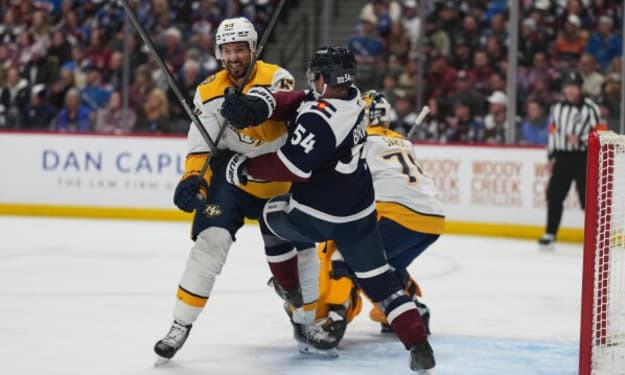
Well... that happened. The Colorado Avalanche had a long layoff after the overtime loss to the Toronto Maple Leafs. That loss snapped a 17-game home winning streak, but the points streak remained. 22 home games, lost three--all past regulation. After three days off, the Avs were back in action against the Nashville Predators, and I always get nostalgic when the Avs and Preds get together. The teams met twice in the playoffs, in 2018 and 2022, and because of those meetings, I've always said that it's fun when these teams get together.
By Clyde E. Dawkinsabout 14 hours ago in Unbalanced
The Devil's Cut
“Comrade, finally you’re awake.” The voice was smooth, sensual. A flickering incandescent bar was all that lit the white, sterile room. All Vladimir remembered was everything going black. He tried to move his arms and found them strapped to the gurney.
By Matthew J. Fromm5 days ago in Fiction


Comments
There are no comments for this story
Be the first to respond and start the conversation.