
How the Celtics Broke the Nets Again—and Why It Feels Different This Time
A reflection on Boston’s ruthless consistency, Brooklyn’s identity crisis, and the strange emotional rhythm of being an NBA fan in an era of endless rebuilds.

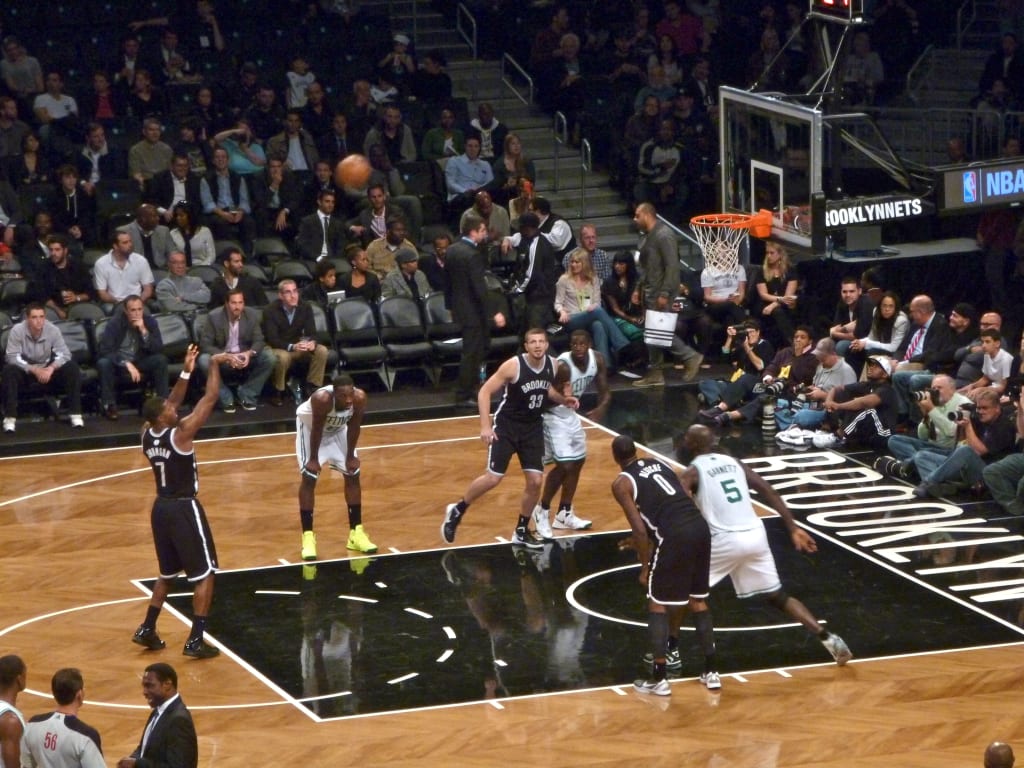
I’ve watched enough Celtics vs. Nets games to recognize the patterns. Boston, with its machine-like precision, grinds down Brooklyn until the Nets start improvising plays that look less like strategy and more like wishful thinking. But this latest matchup felt different. Not because the final score separated the two teams in any shocking way—it was closer than the box score would tell—but because of the emotional tone both squads carried. Boston looked inevitable. Brooklyn looked… haunted.
It’s been nearly two years since that playoff sweep, yet Brooklyn still seems to be living in its aftershocks. The superstar era—Durant, Irving, Harden—feels like a ghost story the franchise can’t stop whispering about. Each possession wobbles under the weight of that history. When Mikal Bridges drives to the rim, there’s a sense that he’s trying to exorcise someone else’s shadow. When Cam Thomas catches fire, it feels combustible—not sustainable. The Nets play like a team both rebuilding and pretending they aren’t. That contradiction shows in their body language: half-committed defense, hesitant ball movement, a collective uncertainty about who gets to take the defining shot.
Boston, on the other hand, has no such identity crisis. They defend with a conviction that borders on religious. Jayson Tatum no longer looks like a player searching for validation—he looks like a man who has made peace with expectation. Jaylen Brown, so often caught between being the second option and wanting more, has found a strange calm in efficiency. Watching them together now, I realized how rare stability is in this league. While the Nets have been rewriting their story every six months, the Celtics have been refining the same one for years—tightening it, sanding the edges, perfecting the tone.
There’s a metaphor here about patience versus reinvention. Brooklyn, desperate to prove it can skip steps, flies through rebuilds like it’s speed dating the future. But the Celtics? They stayed in an uncomfortable marriage with their core, weathered criticism, reshuffled roles rather than foundations. In an age where star trades dominate the headlines, Boston’s choice to keep believing in chemistry feels subversive.
I remember when the Nets’ arena buzz felt like rebellion. Coming out of the KD-Kyrie era, the Barclays Center promised spectacle and defiance. You could feel the city trying to make Brooklyn basketball bigger than consequence. The irony is that now, without the celebrities, the Nets finally resemble a real sports team again—a collection of determined, flawed human beings. Something is humbling about that transformation, even if it means more losses in the short term.
If you squint, you can see the Nets’ potential for something organic. Nic Claxton has developed into more than a rim protector; he’s the emotional compass of the team, barking directions and hustling through every possession. But no matter how inspired he is, Boston’s depth turns effort into exhaustion. The Bucks might punch harder, but no team suffocates like the Celtics. It’s not highlight defense—it’s denial defense. The kind that turns dribble drives into existential crises.
And yet I found myself sympathizing with Brooklyn while admiring Boston. I’ve lived enough life—and watched enough basketball—to know that dominance without doubt can be dull. The Celtics are brilliant, but predictable. The Nets, for all their confusion, hold that chaotic promise fans cling to when titles feel distant: the idea that, if things break right, something magical might happen. You hold on because you want to witness transformation, not just victory.
What makes this rivalry complicated is that it’s not really a rivalry anymore. The talent gap is too wide. The drama that once fueled the matchups—Kyrie revenge games, media narratives about culture wars—has dissipated. But in its place is something more interesting: a meditation on basketball identity. The Celtics know who they are; the Nets are still deciding. And in sports, that’s often the real story—the process of figuring out what kind of team you want to be before the standings start to matter.
I left that game thinking less about statistics and more about psychology. What happens when a team like Boston achieves singular focus? What happens when a team like Brooklyn loses its sense of narrative? The Celtics treat every touch like it’s proof of concept. The Nets treat every possession like they might stumble into something profound. That contrast, more than anything else, defines the modern NBA—data-driven order versus the romance of uncertainty.
The Celtics will likely keep winning, and the Nets will likely keep tinkering. But I suspect I’ll remember this game long after the next blowout or buzzer-beater fades. It wasn’t just about who scored or who defended better—it was about two opposing philosophies crossing paths. One preached consistency, the other begged for renewal.
In the end, maybe being a fan of either side teaches you something different. Rooting for Boston tells you what persistence can build when it’s patient. Rooting for Brooklyn reminds you that beauty sometimes emerges from the broken parts of a rebuild. Sports, after all, aren’t just about winning—they’re about witnessing evolution in real time. And as much as I respect the Celtics’ precision, I think part of me will always root for the chaos of the Nets, if only because they reflect something more human: the ongoing, uncertain work of becoming.
About the Creator
Trend Vantage
Covering the latest trends across business, tech, and culture. From finance to futuristic innovations, delivering insights that keep you ahead of the curve. Stay tuned for what’s next!
Keep reading
More stories from Trend Vantage and writers in Unbalanced and other communities.
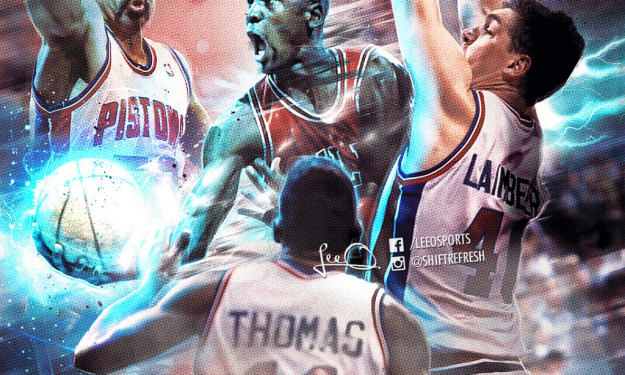
The Rockets and the Pistons: Two Paths Through Basketball’s Shifting Eras
When I think about the Houston Rockets and Detroit Pistons, I don’t just see two franchises; I see the story of how basketball itself has evolved. They’ve never been natural rivals, separated by geography and temperament, but somehow their trajectories keep brushing against each other—one team chasing the future, the other clinging to the fabric of the past.
By Trend Vantageabout 10 hours ago in Unbalanced
Wild Card Weekend Recap: What Happens Now?
I think I figured out why I love Wild Card Weekend so much. It's because it's the first playoff anything of the calendar year. The NFL season starts in the fall, and once upon a time, the champion was crowned either on or slightly before New Year's. The evolution of the NFL schedule has resulted in the playoffs starting just into the New Year, and currently, the final week of the season falls on the first weekend of the New Year, with Wild Card Weekend coming a week after that. So yes, chronologically, the NFL's Wild Card Weekend serves as the first playoff anything of the calendar year.
By Clyde E. Dawkins11 days ago in Unbalanced
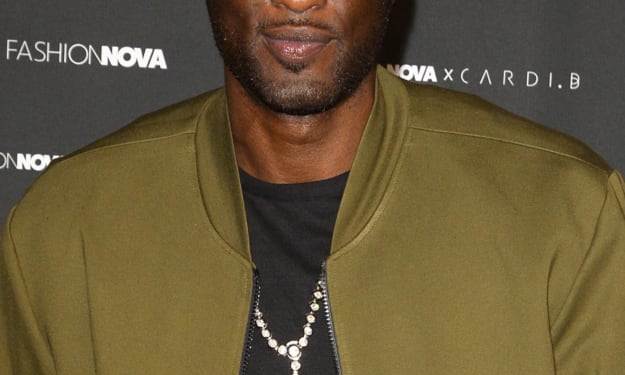
Lamar Odom DUI Arrest Article – Complete
Sober driving is the only rational way to drive on the roadways. NBA two-time champion Lamar Odom was picked up for driving under the influence, violating lane changing protocol, and for not maintaining his vehicle in his own lane.
By Skyler Saunders6 days ago in Unbalanced


Comments
There are no comments for this story
Be the first to respond and start the conversation.