
Fuel Your Game with Nutrition Tips for Aspiring Basketball Stars
Slam Dunk Your Diet: Power-Packed Eating Strategies to Boost Performance on the Court

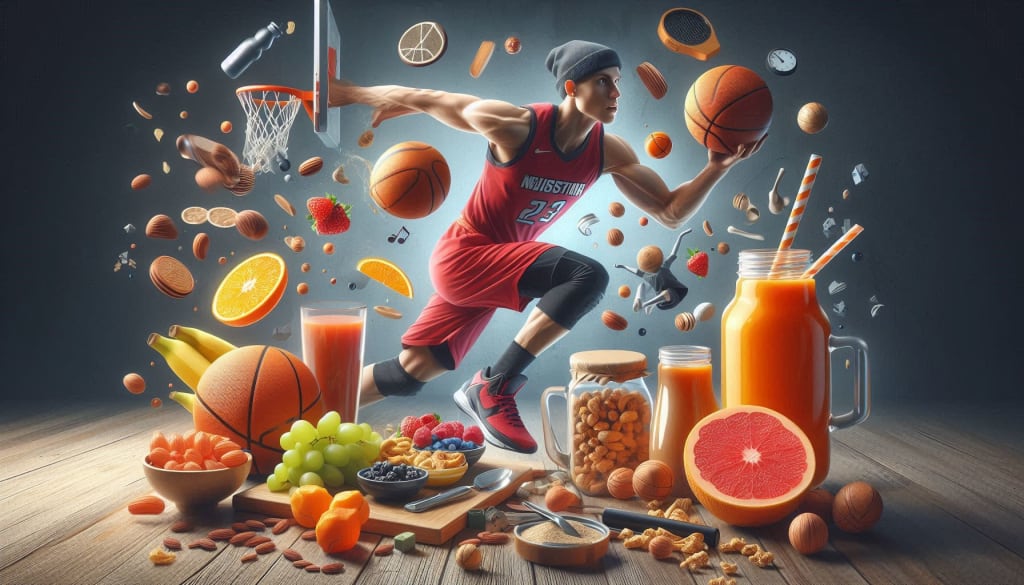
Basketball is more than a game of skill and strategy; it’s a test of endurance, strength, and agility. Aspiring basketball stars know that achieving peak performance on the court requires dedication and hard work. But did you know that what you eat plays a crucial role in your success? This blog post dives into the essential nutritional strategies that can help you enhance your energy levels, speed up recovery, and elevate your overall athletic performance.
The Critical Role of Nutrition in Basketball
Nutrition is the unsung hero behind every successful athlete. For basketball players, proper nutrition fuels intense training sessions, supports optimal performance during games, and aids in quicker recovery. By making informed dietary choices, aspiring basketball stars can gain a competitive edge, maintain their energy throughout the game, and reduce the risk of injuries. Here are some key benefits of proper nutrition for basketball players:
Enhanced energy levels: Basketball is a high-intensity sport that requires quick bursts of energy and sustained efforts. Adequate intake of carbohydrates, proteins, and fats ensures that your body has enough fuel to power through training sessions and games.
Improved performance: The right nutrition supplies your body with essential vitamins, minerals, and nutrients necessary for muscle growth, repair, and recovery. This can result in improved strength, speed, agility, and endurance on the court.
Faster recovery: Basketball players put their bodies through tremendous physical stress during training and games. Proper nutrition helps speed up the healing process by repairing damaged muscles and tissues. This not only reduces the risk of injuries but also allows you to get back on the court faster.
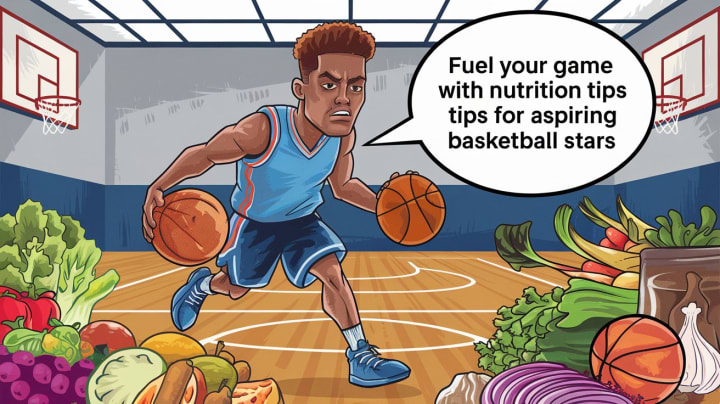
The Macronutrient Magic for Basketball Players
Macronutrients, or macros, are a group of nutrients that provide energy to the body in the form of calories. For basketball players, it’s essential to understand and balance these macronutrients in their diet:
Carbohydrates: As an athlete, carbohydrates should make up a significant portion of your daily calorie intake. They serve as the primary source of fuel for your muscles during high-intensity activities. Whole grains, fruits, vegetables, and legumes are excellent sources of complex carbohydrates that provide sustained energy.
Proteins: Protein is crucial for muscle development, repair, and recovery. Basketball players should aim for 1.4–2 grams of protein per kilogram of body weight daily. Lean meats, fish, poultry, eggs, dairy products, legumes, and nuts are excellent sources of high-quality protein.
Fats: Despite popular belief that all fats are bad for you, some types of fat are essential for optimal athletic performance. Healthy fats like omega-3 fatty acids aid in reducing inflammation and promoting heart health. Examples include avocados, olive oil, salmon, and nuts.
Hydration Is Key
Proper hydration is a crucial element in any athlete's nutrition plan but is often overlooked. Water makes up about 60% of our body, and we lose it constantly through sweating during intense training sessions and games. Dehydration can lead to fatigue, muscle cramps, and reduced cognitive function. Here are some tips for staying hydrated as a basketball player:
Drink plenty of water throughout the day, not just during training or games.
Monitor your urine color; pale yellow is a sign of proper hydration.
Replace lost electrolytes by consuming sports drinks or adding electrolyte tablets to your water.

Pre-game and Post-game Nutrition
Aspiring basketball stars should pay extra attention to their pre-game and post-game nutrition to maximize their performance on the court. Here are some tips for fueling up before and after a game:
Pre-game: Consume a balanced meal containing complex carbohydrates, lean protein, and healthy fats 2-3 hours before the game to provide sustained energy. Examples include whole-grain pasta with lean meat and vegetables or a chicken stir-fry with brown rice.
Post-game: Within an hour of completing the game, replenish your body's glycogen stores by consuming simple carbohydrates like fruit or sports drinks. Also, make sure to consume enough protein for muscle repair and recovery. Examples include a turkey sandwich on whole-grain bread or a protein shake with banana and almond milk.
The Importance of Consistency
Proper nutrition is not just a one-time fix; it requires consistency and dedication. Aspiring basketball stars should strive to build healthy eating habits by incorporating nutrient-dense foods into their diet daily. Additionally, paying attention to portion sizes and timing of meals can also play a significant role in maintaining optimal energy levels and performance.
Understanding the Energy Demands of Basketball
Basketball is a high-intensity sport that demands quick bursts of energy, agility, and endurance. Players are constantly sprinting, jumping, and changing directions. These actions require a substantial amount of energy, which primarily comes from carbohydrates. A balanced diet rich in the right nutrients can help players meet these energy demands.
Carbohydrates are the primary fuel source for basketball players. They provide the quick energy needed for sprints and jumps. Including complex carbohydrates like whole grains, fruits, and vegetables in your diet ensures a steady release of energy throughout the game. Additionally, proteins help repair and build muscles, while healthy fats provide long-lasting energy reserves. Balancing these macronutrients in your diet can help meet the energy demands of basketball and improve performance on the court.
Proper nutrition plays a crucial role in a basketball player's overall performance, recovery, and injury prevention. By understanding the importance of macros, hydration, pre and post-game nutrition, and consistency, players can gain a competitive edge and take their game to the next level. Aspiring basketball stars should strive to make informed dietary choices to fuel their intense training sessions and achieve their athletic goals. So remember to fuel your body with nutritious foods, stay hydrated, and be consistent - it will pay off on the court! Keep working hard and never underestimate the power of proper nutrition in your journey to becoming a top basketball player. So keep shooting, dribbling, and fueling up for success! Keep shining on the court with a well-balanced diet - the macronutrient magic for basketball players. And remember, it's not just about performance on the court, but also about overall health and wellness as an athlete. With the right nutrients in your body, you can soar to new heights and become unstoppable on the court. So keep hustling and never underestimate the power of proper nutrition in your journey to becoming a successful basketball player.
Keep working hard and striving for excellence in all aspects of your game - including your nutrition. With consistent effort and dedication.

Pre-Game Nutrition Strategies for Optimal Performance
Fueling your body with the right nutrients before a game can significantly impact your performance. A balanced pre-game meal should include carbohydrates, proteins, and fats. Consuming a meal rich in complex carbohydrates about 2-3 hours before the game ensures a steady release of energy. Pairing it with lean proteins and healthy fats helps sustain energy levels.
Hydration is equally important. Starting the game well-hydrated can prevent fatigue and maintain focus. Drinking water or sports drinks containing electrolytes can help replenish lost fluids and minerals.
Post-Game Nutrition for Effective Recovery
Recovery nutrition is crucial for repairing muscles and replenishing energy stores after a game. Consuming a combination of carbohydrates and proteins within 30 minutes to 2 hours post-game enhances muscle recovery and glycogen replenishment. A balanced post-game meal might include a turkey sandwich, a banana, and a glass of low-fat milk.
Hydration continues to play a vital role in recovery. Drinking water and electrolyte-rich beverages helps restore fluid balance and prevent cramps. Additionally, consuming antioxidant-rich foods like fruits and vegetables can aid in reducing inflammation and promoting healing.
Nutrition is a key aspect of an aspiring basketball player's training regimen. Proper nutrition not only fuels performance on the court but also promotes overall health and wellness. Remember to consume a balanced diet rich in carbohydrates, proteins, and healthy fats. Stay hydrated throughout the day, monitor your urine color, and replenish lost electrolytes. Consistency is crucial - strive to make informed dietary choices daily to optimize your energy levels and performance on the court. With proper nutrition, you can take your game to new heights and achieve your goals as a successful basketball player! So keep shooting for the stars.
Essential Nutrients for Basketball Players
Protein
Protein is the building block of muscles. It aids in muscle repair and growth, essential for athletes who undergo rigorous training. Including lean proteins like chicken, fish, beans, and tofu in your diet ensures adequate protein intake. Aim to consume 0.8-1 gram of protein per pound of body weight daily.
Carbohydrates
As mentioned earlier, carbohydrates are the primary source of fuel for basketball players. Complex carbs like whole grains, fruits, and vegetables provide sustained energy throughout the game. Avoid simple sugars like candy or soda that can cause a spike and crash in energy levels.
Healthy Fats
Healthy fats are crucial for long-lasting energy reserves. Include sources such as avocados, nuts, seeds, and olive oil in your diet. They also aid in absorption of fat-soluble vitamins A,D,E,K.
Vitamins and Minerals
Vitamins and minerals play various roles in an athlete's body, from aiding in energy production to promoting bone health and strengthening the immune system. A balanced diet rich in fruits, vegetables, and whole grains can provide most of the essential vitamins and minerals.

Hydration
Hydration is crucial for overall health and athletic performance. Basketball players should aim to drink at least 8-10 cups of water daily, increasing intake on training and game days. Electrolytes like sodium and potassium are also important for maintaining fluid balance - sports drinks containing these minerals can be beneficial during intense physical activity.
In conclusion, proper nutrition plays a vital role in a basketball player's performance, recovery, and overall health as an athlete. By fueling your body with the right nutrients, staying hydrated, and being consistent with your dietary choices, you can enhance your game and achieve your goals on the court. Remember to consume a balanced diet rich in protein, carbohydrates, healthy fats, vitamins, and minerals. Stay hydrated throughout the day and replenish lost electrolytes as needed. With dedication and proper nutrition, you can take your basketball skills to new heights! Keep striving for excellence - both on and off the court. So keep shooting for success with nutritious foods that fuel your body and mind! Don't forget to hydrate consistently and make informed dietary choices to optimize your performance as a top basketball player.
Proper hydration is critical for maintaining performance and preventing fatigue. Drinking water throughout the day and consuming electrolyte-rich beverages during and after games helps maintain fluid balance.
Carbohydrates
Carbohydrates are the primary energy source for basketball players. Complex carbohydrates such as whole grains, fruits, and vegetables provide sustained energy. Simple carbohydrates like fruits can offer quick energy boosts when needed.
Fats
Healthy fats provide long-lasting energy and support overall health. Including sources of unsaturated fats like avocados, nuts, seeds, and olive oil in your diet can help maintain energy levels during prolonged activity.
Practical Dietary Guidelines for Aspiring Basketball Stars
Creating a balanced diet tailored to your athletic needs doesn’t have to be complicated. Here are some guidelines to help you get started:
Breakfast: Begin your day with a mix of complex carbohydrates and lean protein. Consider oatmeal topped with berries and a side of scrambled eggs.
Lunch: Opt for a balanced meal like a grilled chicken salad with quinoa and a variety of colorful vegetables.
Dinner: Include a source of lean protein, whole grains, and vegetables. Think salmon, brown rice, and steamed broccoli.
Snacks: Keep healthy snacks on hand, such as Greek yogurt, nuts, and fresh fruit, to fuel your body between meals.
The Importance of Timing in Meals and Snacks
Timing your meals and snacks strategically can maximize your performance and recovery. Eating a balanced meal 2-3 hours before a game ensures you have enough energy without feeling sluggish. Consuming a snack high in carbohydrates and moderate in protein 30-60 minutes before the game can provide an extra energy boost.
Post-game, aim to eat a balanced meal within 2 hours. This timing is crucial for optimal recovery and muscle repair. And don't forget to stay well-hydrated throughout the game and after for effective recovery.
The Power of Proper Nutrition
As an aspiring basketball player, it's essential to understand the impact nutrition has on your performance. By fueling your body with a balanced diet and staying hydrated, you can enhance your energy levels, improve muscle repair and growth, and maintain overall health and wellness. Consistency is key - make informed dietary choices daily to support your journey towards becoming a successful basketball player. So keep shooting, dribbling, and fueling up for success! Remember that hard work in all aspects of your game, including nutrition, will pay off on the court. With proper nourishment, you can reach new heights and achieve your goals as a basketball star. So keep pushing yourself, stay disciplined with your nutrition, and never stop striving for excellence! Keep fueling your body the right way to become the best player you can be and dominate on the court. The power of proper nutrition cannot be underestimated, so make it an integral part of your training regimen and see the results for yourself. Your future success as a basketball player starts with what you put in your body today. Remember to nourish, hydrate, and excel - on and off the court!
Real-World Examples of Successful Athletes
Many professional athletes credit their success to smart nutrition choices. For instance, LeBron James follows a diet rich in lean proteins, fresh vegetables, and whole grains to maintain his peak performance. Similarly, Stephen Curry focuses on a balanced diet that includes plenty of lean meats, fruits, and vegetables to fuel his intense training sessions.
These examples show that proper nutrition plays a significant role in achieving and maintaining top performance levels. So, as an aspiring basketball player, follow in the footsteps of these successful athletes and prioritize your nutrition to reach your full potential on the court. With dedication and discipline, you too can become a shining star in the world of basketball! Remember to keep shooting for greatness both on and off the court, starting with your diet. Fuel up like a pro to perform like one!
Conclusion
Fueling your body with the right nutrients is a game-changer for aspiring basketball stars. By understanding the energy demands of basketball, implementing pre- and post-game nutrition strategies, and focusing on essential nutrients, you can enhance your performance and recovery. Remember, the timing of your meals and snacks is just as important as their content.
Ready to take your game to the next level? Start by making informed dietary choices today and witness the difference it makes on the court. For personalized nutrition advice and meal plans, consider consulting with a sports nutritionist. Empower yourself with the knowledge and tools to fuel your success and become the basketball star you aspire to be.
Frequently Asked Questions (FAQ)
What should I eat before a basketball game?
It's best to have a balanced meal 2-3 hours prior that includes complex carbohydrates and lean protein, such as a turkey sandwich on whole grain bread and a side of fruit.
How much water should I drink while playing?
Aim to drink at least 7-10 ounces of water every 10-20 minutes during the game to stay properly hydrated.
Is it important to eat after a game?
Yes, consuming a balanced meal within 2 hours post-game helps with muscle recovery and replenishes energy stores.
Can I substitute fast food after games?
While it's tempting, it's better to opt for healthier options that support recovery. Consider a grilled chicken wrap or a smoothie instead.
How do I know if I'm getting enough protein?
A general guideline is to consume 1.2-2.0 grams of protein per kilogram of body weight, adjusting based on your training intensity.
What are some healthy snack ideas for basketball players?
Great options include Greek yogurt with fruit, nut butter on whole grain toast, or trail mix with nuts and seeds.
Should I avoid fats in my diet?
Not at all! Healthy fats are essential for energy and overall health. Focus on unsaturated fats found in nuts, seeds, avocados, and olive oil.
How can I improve my eating habits?
Start by planning your meals, making grocery lists, and preparing healthy snacks ahead of time to ensure you have nutritious options readily available.
Is sports nutrition different from regular nutrition?
Yes, sports nutrition specifically focuses on fueling the body for athletic performance and may involve higher intake of certain nutrients based on activity levels.
Should I work with a nutritionist?
Consulting a nutritionist can be incredibly beneficial, especially for personalized advice tailored to your unique dietary needs and athletic goals.
About the Creator
Hooper Fiko
With my professional advice on basketball workouts and online training, you can reach your greatest potential. Get expert advice, customized workouts, and inspiring material to improve your performance. Come along and change your abilities!
Keep reading
More stories from Hooper Fiko and writers in Unbalanced and other communities.
Revolutionizing Your Game: How Tech-Savvy Training is Transforming Basketball Workouts
In the world of basketball, training has always been pivotal to success. From shooting drills to scrimmages, traditional training methods have built champions. But with the rise of technology, a new era is dawning—one where tech-savvy training is not just enhancing workouts but revolutionizing the entire approach to the game. In this article, we'll explore the ways in which technology is transforming basketball workouts and how it's helping players take their game to the next level.
By Hooper Fikoabout a year ago in Unbalanced
Wild Card Weekend Recap: What Happens Now?
I think I figured out why I love Wild Card Weekend so much. It's because it's the first playoff anything of the calendar year. The NFL season starts in the fall, and once upon a time, the champion was crowned either on or slightly before New Year's. The evolution of the NFL schedule has resulted in the playoffs starting just into the New Year, and currently, the final week of the season falls on the first weekend of the New Year, with Wild Card Weekend coming a week after that. So yes, chronologically, the NFL's Wild Card Weekend serves as the first playoff anything of the calendar year.
By Clyde E. Dawkins6 days ago in Unbalanced
Homestand Part II: Not-So-Usual Suspects
On Thursday, the Colorado Avalanche's long homestand began against the Ottawa Senators, and it was a slaughter. An 8-2 victory that saw the Avs put six pucks in the net during the middle period. Martin Necas and Brock Nelson each reached the 20-goal mark during that game, and the highlight was Josh Manson's Gordie Howe Hat Trick--two goals, two assists, and a fight, with his dad, legendary player Dave Manson, in attendance.
By Clyde E. Dawkins7 days ago in Unbalanced
So You Decided To Become a Nurse Practitioner:
So you decided to become an "Advanced Practice" nurse. Congratulations!... is what I would say if this was a good idea. Grad school? In this economy? What were you thinking? Likely it was something along the lines of either 1) “I've seen these other chucklefucks do it— Why can't I?” or even 2) “I've got a nice career, I should shake it up. I miss feeling like I have no clue what I'm doing.”
By Sandor Szabo2 days ago in Fiction




Comments
There are no comments for this story
Be the first to respond and start the conversation.