
Crystal Palace vs Manchester United: A Match Showing Two Teams on Different Trajectories
An in-depth look at how Crystal Palace’s structure and identity contrast Manchester United’s ongoing search for direction

Setting the Scene
When Crystal Palace hosted Manchester United at Selhurst Park, the fixture appeared routine on paper. United, one of the Premier League’s most decorated clubs, were expected to dominate a mid-table Palace side still figuring out its rhythm under new leadership. But football rarely follows the logic written in the league table. Instead, what played out was a telling reflection of two clubs—one quietly climbing through steady progress and the other stuck between identity and execution.
This match was never just about points. It revealed the widening gap between a side built on clarity and discipline and another still chasing a consistent formula.
Palace’s Steady Evolution
Crystal Palace, traditionally a compact and hard-working team, have evolved over recent seasons into a more balanced unit. No longer relying purely on counterattacks or defensive resilience, Palace have been building an identity based on purposeful possession, width, and controlled transitions. This gradual shift is visible in how their players approach space, press, and support one another.
Much credit goes to the club’s patient planning. Recruitment has been deliberate, focusing on technically sound players who fit into a cohesive tactical structure rather than high-profile signings. The squad understands its roles, and that shared understanding often offsets the absence of superstar talent.
Team Cohesion vs. Individual Talent
In this contest, Palace displayed what happens when a system takes precedence over individuals. Their midfield operated as a synchronized unit, recycling possession and closing passing lanes. The forwards pressed intelligently, forcing United to play long and lose shape. Behind them, the back line stayed compact but confident, minimizing errors through communication rather than recovery speed.
Manchester United, by contrast, leaned heavily on moments of individual brilliance. Their play often broke down between phases—midfielders unsure of positioning, defenders hesitant to commit, and forwards waiting for moments rather than orchestrating them. In isolation, United’s squad has talent; collectively, they remain inconsistent.
The difference between intuition and instruction defined much of the evening.
Tactical Structure and Game Management
From a tactical viewpoint, Palace executed their game plan with precision. Their 4-2-3-1 formation adapted fluidly between defending and attacking phases. The double pivot shielded the defense while initiating moves through short progressive passes. Full-backs alternated overlapping runs, maintaining balance and width. This flexibility allowed Palace to control tempo across different periods of the game.
Manchester United tried pressing in bursts, yet their approach lacked synchronization. The front three often advanced without midfield cover, leaving gaps that Palace exploited through simple vertical combinations. United’s attempts to play through tight central spaces felt forced, leading to turnovers that recycled pressure back onto their defense.
This difference in structure highlighted where each team currently stands in its development cycle.
The Midfield Battle
The central midfield area told the story of the match. Palace’s midfield duo managed rhythm efficiently—playing short when pressured and stretching play when space allowed. Their positioning kept the team compact, preventing United from connecting effectively between lines.
United’s midfield, meanwhile, struggled with spacing. Too often, holding players were drawn toward the ball rather than shielding passing lanes. This invited Palace’s midfielders to break lines with one or two touches, setting up quick counters. Even when United regained possession, transitions lacked purpose; sideways passes replaced vertical momentum.
The inability to control midfield territories reflected United’s broader struggle for tactical cohesion.
Pressing, Transitions, and Defensive Shape
Pressing defines modern football, and this match illustrated two contrasting philosophies. Palace pressed as a unit—with players moving collectively, cutting passing options and forcing United into mistakes. Every press created predictable outcomes: either a misplaced long ball or a tackle that regained possession.
United’s pressing, in contrast, was fragmented. The forwards often sprinted toward defenders without coordinated cover behind them. Midfielders hesitated between pressing high or dropping deep, leaving transitional gaps. Palace’s ability to pass quickly through these channels repeatedly unsettled United’s defensive shape.
Transitions, both defensive and attacking, remain United’s soft spot under pressure.
Attacking Intentions and Final Third Execution
While Palace operated through well-drilled patterns, United relied on individual bursts from their wingers and attacking midfielders. The lack of structured movement in the final third limited their attacking diversity. When Palace defended deep, United resorted to crosses or speculative shots rather than building moves through coordinated rotation.
Palace’s attacks were simpler but sharper. They used width to stretch United’s defense before delivering measured balls across the box. The coordination between full-backs and wide players created overloads, repeatedly exposing United’s hesitation in tracking runners.
Efficiency, not flair, separated the two sides when opportunities arrived.
Mentality and Confidence
Beyond tactics, this match underscored a psychological divide. Palace played with composure, showing belief in their methods. Even when United had brief control of possession, the hosts remained patient, maintaining shape and waiting for openings.
United, conversely, carried the look of a team caught between ideas. Decision-making under pressure was uncertain—some players choosing safety, others gambling for breakthroughs. Confidence in collective roles often determines results in football, and that confidence currently tilts toward Palace.
What the Game Says About Both Clubs
For Palace, this result validated their gradual rebuilding strategy. Sustained competitiveness comes not from constant reinvention but from refining identity season after season. The squad continuity, tactical flexibility, and managerial trust contribute to a stable pathway for improvement.
Manchester United’s situation is more complex. The squad remains full of quality, yet the connective threads between players are frayed. Each game feels like a reset rather than a progression. Individual moments—spectacular as they may be—cannot mask the absence of sustained rhythm. The club’s recurring cycle of short-term fixes contrasts sharply with Palace’s sustained direction.
Leadership and Stability
Leadership plays a central role in any team’s trajectory. Palace benefit from internal stability—clear communication from management to players and consistent expectations across matches. Even in difficult stretches, decisions align with long-term objectives.
At United, frequent changes in technical direction, managerial approach, and squad planning have bred uncertainty. A football club functions best when structure flows from the top. Without unified vision, even talented squads fall into disjointed performances. The contrast between the two clubs’ leadership models explains much of their on-field divergence.
Fans’ Perspective
Supporters often mirror their club’s identity. Palace fans at Selhurst Park radiate connection—a sense that the club’s growth reflects shared patience. The atmosphere remains supportive because progress feels organic and achievable.
United fans, meanwhile, oscillate between frustration and loyalty. Decades of high achievement foster expectations that are difficult to recalibrate. Watching a team struggle to define itself after years of dominance tests patience, but also underlines the passion that sustains the club through uncertain times.
Lessons from the Match
This fixture offered several lessons relevant beyond its scoreline:
Structure and clarity outweigh reputation when teams compete on equal terms.
Effective pressing depends on collective synchronization, not individual energy.
Midfield balance decides control of modern matches.
Psychological readiness often transforms tactical preparation into execution.
Consistency in football culture breeds long-term competitiveness.
Palace exemplified these principles through their measured progression. United, still searching for balance, illustrated the challenges of sustaining identity amid constant transition.
Looking Ahead
For Crystal Palace, the trajectory appears optimistic. The club’s disciplined model, supported by realistic goals, serves as a blueprint for stability in the Premier League’s volatile environment. With continued investment in player development and tactical evolution, Palace can aspire to consistent mid-table or even higher finishes.
For Manchester United, the path forward demands patience and coherence. Success will only return with alignment between management vision, squad recruitment, and tactical design. Rebuilding trust and identity takes time, but avoidance of constant resets could finally restore the club’s footballing foundation.
A Reflection on Modern Football
This match encapsulated a broader truth about football’s direction. The sport has evolved from individual showmanship toward collective intelligence. Systems now triumph where improvisation once ruled. Clubs that synchronize identity across levels—management, players, and culture—achieve durability. Those relying on heritage or individual mastery risk stagnation in a landscape defined by planning and precision.
At Selhurst Park, Crystal Palace showed what stability looks like in modern football. Manchester United, meanwhile, displayed the reflexive struggles of a club trying to rediscover what once came naturally. The scoreboard may only mark one night’s story, but the deeper narrative spoke of two clubs on distinctly different paths—one continuing to rise through steady evolution, the other still seeking to bridge the gap between tradition and transformation.
About the Creator
Saad
I’m Saad. I’m a passionate writer who loves exploring trending news topics, sharing insights, and keeping readers updated on what’s happening around the world.
Keep reading
More stories from Saad and writers in Unbalanced and other communities.
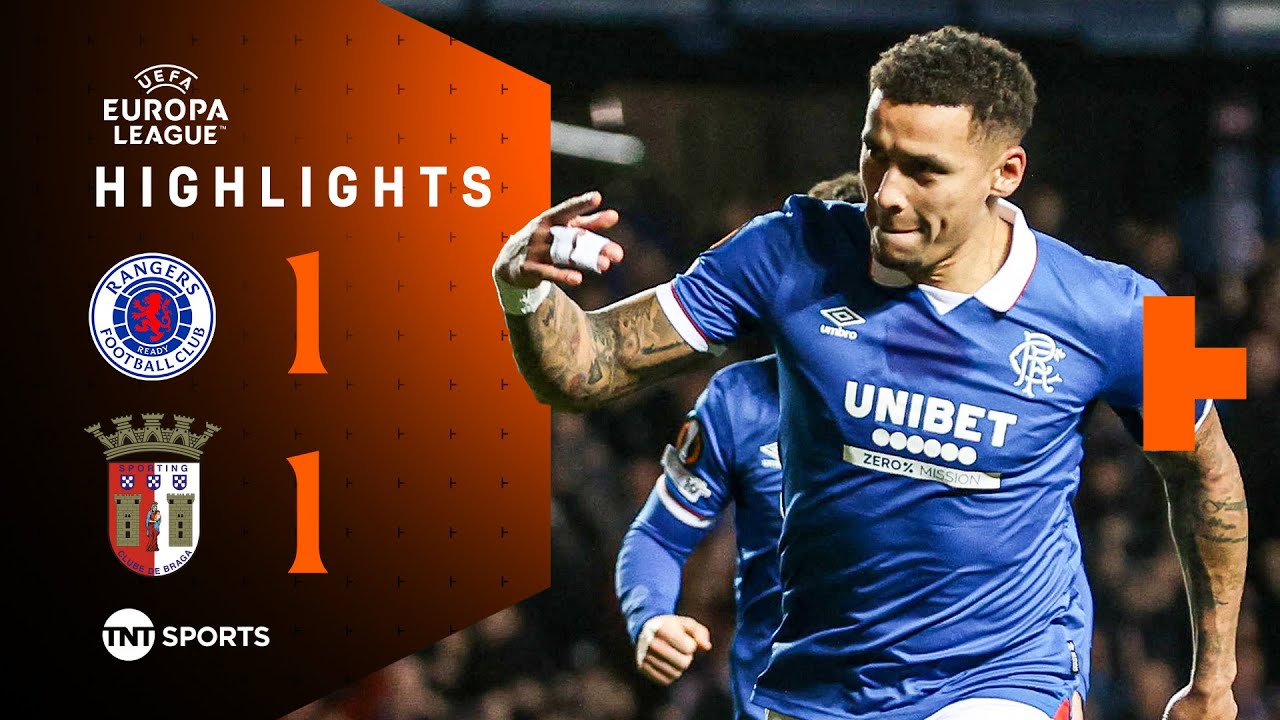
Rangers vs Braga: A Tense Night at Ibrox Ends in a Frustrating Draw
Who: The Teams and Stakes On 27 November 2025, Rangers hosted Braga at Ibrox in their fifth match of the 2025/26 UEFA Europa League group stage. Rangers entered the night searching for their first victory of the campaign, aware that anything short of a win would leave their hopes of advancing in serious danger. Braga arrived in stronger group-stage form and aimed to build on it, but the match would take a sharp turn as disciplinary incidents shaped the flow of the contest.
By Saad 2 months ago in Unbalanced
Wild Card Weekend Recap: What Happens Now?
I think I figured out why I love Wild Card Weekend so much. It's because it's the first playoff anything of the calendar year. The NFL season starts in the fall, and once upon a time, the champion was crowned either on or slightly before New Year's. The evolution of the NFL schedule has resulted in the playoffs starting just into the New Year, and currently, the final week of the season falls on the first weekend of the New Year, with Wild Card Weekend coming a week after that. So yes, chronologically, the NFL's Wild Card Weekend serves as the first playoff anything of the calendar year.
By Clyde E. Dawkins6 days ago in Unbalanced
Vikings slide past Hayes
In a period of seven days, Northland (7-4) has had two games that have been decided by a two-point margin. The Vikings are 2-0 in those contests as seniors Diante James and Daneal Krylov have made big shots that won both games respectively. On Jan. 3, at Columbus Academy, James knocked down a shot with less than two seconds remaining to deliver Northland to its biggest win so far this season. On his way to 19 points, James has proven to be one of the most confident shot makers in central Ohio. His big time basket led Northland to a 58-56 win over Westland which is currently 7-2.
By Winners Only7 days ago in Unbalanced



Comments
There are no comments for this story
Be the first to respond and start the conversation.