
Common Mistakes in Diminished Value Claims in Miami
Avoid common mistakes in diminished value claims in Miami. Ensure accurate documentation, seek professional appraisals, understand state laws, and file claims promptly to maximize compensation.
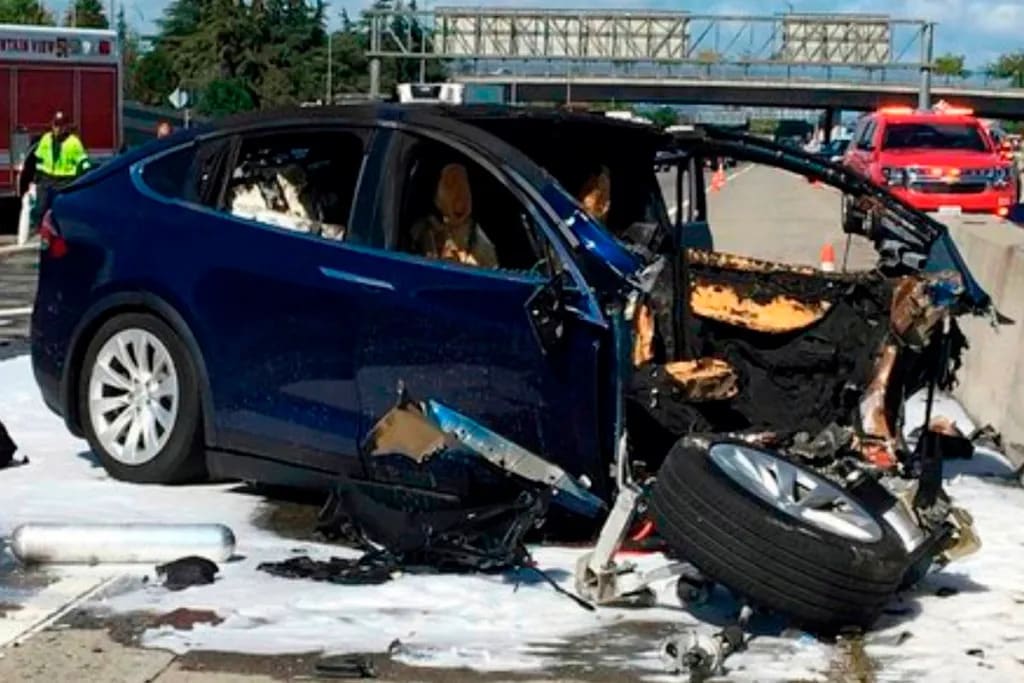
Diminished value claims are an important aspect of car insurance, particularly in the aftermath of an accident. When a car is involved in an accident, even if it’s repaired to its original condition, it may lose value due to the stigma associated with being previously damaged. In Miami, where traffic congestion and accidents are common, understanding the process and avoiding common mistakes in diminished value claims can help you recover the lost value of your vehicle.
In this blog, we’ll explore some of the most frequent mistakes people make when filing diminished value claims and how to avoid them to ensure you receive the full compensation you deserve.
What is a Diminished Value Claim?
A diminished value claim is a claim made to an insurance company for the reduction in your vehicle's market value after it’s been repaired following an accident. Even if the car is restored to its pre-accident condition, potential buyers or future owners may view it as less valuable because it has a history of damage. This reduction in value can be significant, and a diminished value claim allows you to recover the difference between the car’s pre-accident value and its post-repair value.
1. Failing to Document the Damage Properly
One of the most common mistakes in diminished value claims is failing to document the full extent of the damage. Proper documentation is crucial to substantiate your claim. If you don’t have clear and detailed records of the accident, the repairs, and the condition of your car before and after the accident, it may be difficult to prove the diminished value of your vehicle.
How to Avoid This Mistake:
Always take high-quality photos of your car’s damage immediately after the accident.
Keep receipts, repair estimates, and records of all repairs made to the vehicle.
Obtain an independent appraisal to get an accurate assessment of the vehicle’s value before and after the accident.
2. Not Understanding the Types of Diminished Value
There are generally three types of diminished value that may apply to your claim: immediate diminished value, inherent diminished value, and repair-related diminished value. Each type refers to different aspects of how your car’s value has been affected.
Immediate diminished value refers to the loss of value as soon as the car is damaged.
Inherent diminished value applies when the car, even after being repaired, is worth less due to its history of damage.
Repair-related diminished value accounts for a reduction in value due to the quality or nature of the repairs made.
Understanding which type applies to your vehicle will help you make a stronger case.
How to Avoid This Mistake:
Work with a qualified appraiser or attorney who can help you determine which type of diminished value applies to your situation.
3. Not Seeking a Professional Appraisal
Many people make the mistake of accepting the insurance company’s initial offer for their claim without seeking a professional appraisal. Insurance companies often have a vested interest in minimizing payouts, and they may not offer you the full diminished value of your car. While the insurance company may offer a settlement, an independent appraisal can provide a more accurate and fair assessment of your vehicle’s diminished value.
How to Avoid This Mistake:
Hire an experienced appraiser to evaluate your car’s diminished value. A certified appraiser can give you an unbiased, detailed report that will support your claim.
If your insurer disputes the claim, you can use the appraisal to negotiate or take legal action.
4. Not Filing the Claim Promptly
Time is a critical factor in diminished value claims. Insurance companies often have strict timelines within which you must file your claim. Waiting too long to file or failing to file the claim promptly can result in a denial or a much lower payout.
How to Avoid This Mistake:
File your claim as soon as possible after the accident.
Keep track of all deadlines set by your insurance company to ensure you don’t miss the window for filing a diminished value claim.
5. Ignoring State Laws and Insurance Policies
Each state has different laws and guidelines for filing diminished value claims. In Miami, the laws surrounding diminished value claims can vary depending on the insurance policy and the circumstances of the accident. Not understanding these rules can hinder your ability to recover the full value of your vehicle.
How to Avoid This Mistake:
Familiarize yourself with Florida’s laws regarding diminished value claims. Consulting with a local attorney or claims adjuster can help you navigate the specifics of Miami’s regulations.
Review your insurance policy to determine whether it covers diminished value claims. Not all policies will cover this, and understanding your coverage is crucial before filing.
6. Settling for Less Than What You Deserve
Many people make the mistake of accepting the insurance company’s first offer without negotiating. Insurers often offer a settlement that is less than the actual diminished value of your car. If you accept the initial offer, you could leave money on the table.
How to Avoid This Mistake:
Don’t settle for the first offer. Use your independent appraisal and any other evidence you have to negotiate a fair settlement.
If necessary, work with an attorney who specializes in insurance claims to help you get the compensation you deserve.
7. Not Considering Future Loss of Value
Sometimes, diminished value claims only account for the current market value of your car. However, the loss in value could continue to affect your vehicle in the future, especially if you plan to sell it. Buyers may be hesitant to purchase a car with a history of accidents, even if it has been fully repaired.
How to Avoid This Mistake:
When filing a claim, consider the long-term impact of the accident on your car’s resale value. This should be factored into your claim, especially if you plan to sell the car in the near future.
Conclusion
Filing a diminished value claim in Miami can be a complex process, but avoiding these common mistakes can help you get the compensation you deserve. Proper documentation, professional appraisals, and understanding state laws are essential components of a successful claim. By avoiding these mistakes, you can ensure that your vehicle’s diminished value is accurately assessed, and you receive fair compensation for the reduction in your car’s market worth.
If you find yourself unsure about the process or facing resistance from your insurance company, consider consulting with a local attorney or a professional appraiser to guide you through the process and protect your rights.
About the Creator
Keep reading
More stories from Christopher Anderson and writers in Unbalanced and other communities.
Why Car Appraisal Values Vary in Miami & How to Get the Best Price
Car appraisals are an essential part of buying, selling, or insuring a vehicle. Whether you’re looking to trade in your car or sell it privately in Miami, you may notice that appraisal values can vary significantly. Understanding the factors that influence car appraisal values can help you maximize your car’s worth and ensure you get the best price. In this blog, we’ll explore the reasons why car appraisal values differ and provide practical tips to get the highest value for your car appraisal value in Miami.
By Christopher Anderson11 months ago in The Chain
Wild Card Weekend Recap: What Happens Now?
I think I figured out why I love Wild Card Weekend so much. It's because it's the first playoff anything of the calendar year. The NFL season starts in the fall, and once upon a time, the champion was crowned either on or slightly before New Year's. The evolution of the NFL schedule has resulted in the playoffs starting just into the New Year, and currently, the final week of the season falls on the first weekend of the New Year, with Wild Card Weekend coming a week after that. So yes, chronologically, the NFL's Wild Card Weekend serves as the first playoff anything of the calendar year.
By Clyde E. Dawkins3 days ago in Unbalanced
Homestand Part III: Close Call
So far, the Colorado Avalanche are two-for-two in this long homestand that will dominate the month of January. A blowout win over the Ottawa Senators, and then, a shutout win over the Columbus Blue Jackets. On Monday, we played host to the Toronto Maple Leafs, who desperately needed something. It had been a long season for the team, who find themselves in danger of their long playoff streak coming to an abrupt end.
By Clyde E. Dawkinsabout 5 hours ago in Unbalanced




Comments
There are no comments for this story
Be the first to respond and start the conversation.