
"1.4 Billion People, Only 6 Medals: The Startling Truth Behind India's Olympic Struggles"
"Explore the Hidden Challenges and Untold Stories Behind India's Disappointing Performance at the Paris Olympics—Can the Nation Overcome Its Sporting Woes?"


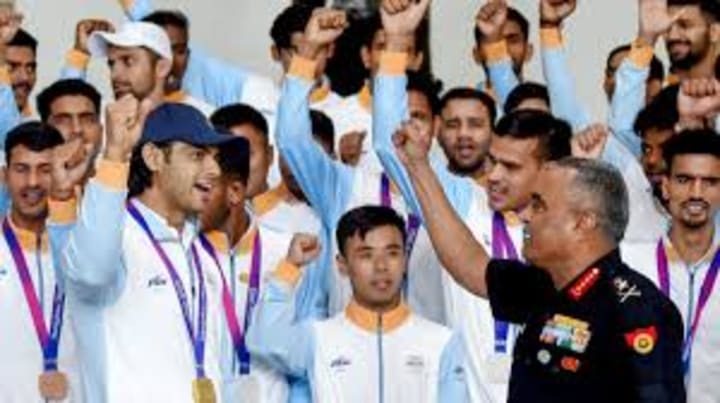
As the global audience marveled at the grandeur of the Paris Olympics, India's performance remained a solemn reminder of unrealized potential. Despite a population of 1.4 billion, India managed to secure just six medals, a stark imbalance that echoes through the realm of Indian sports. This disheartening outcome begs the question: Why, with such immense human resources and talent, does India repeatedly falter on the Olympic stage? Here, we dissect the complex factors that continue to undermine India's athletic prowess, shining a light on the hurdles the nation faces.
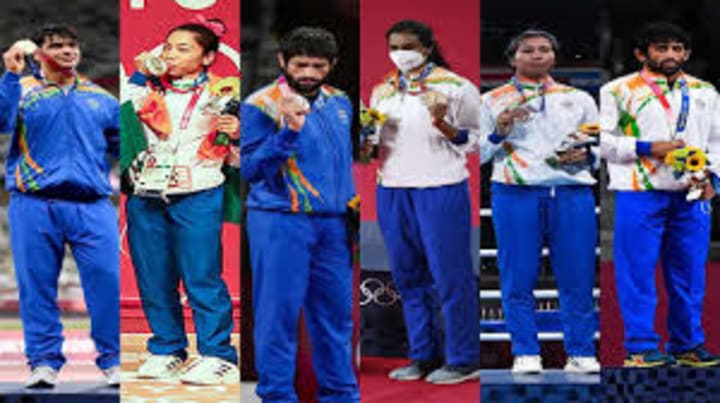
Historical Backdrop: A Slow Ascent in Sports
India’s Olympic journey, which began in 1900, has been a chronicle of unmet expectations. Despite early triumphs, like the iconic gold in field hockey in 1928, subsequent performances have been inconsistent. Over time, the nation's sporting focus gravitated heavily towards cricket—a game that, while beloved, diverts both attention and resources from Olympic disciplines. The fragmented progression in other sports has resulted in a cycle of underachievement.
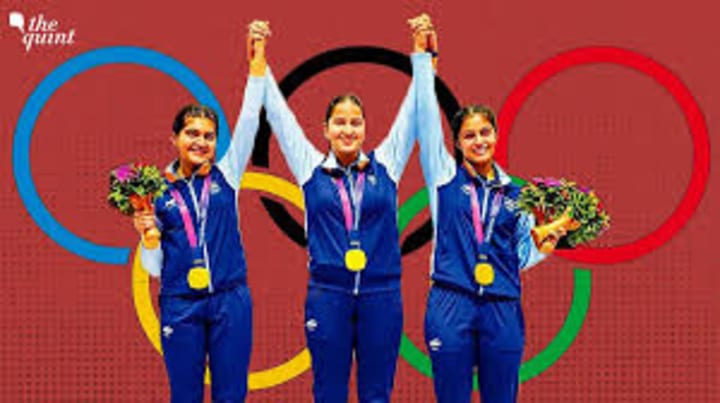
Systemic Obstacles in Sports Development
1. Deficient Infrastructure
India's sports infrastructure remains patchy at best. While urban centers boast some facilities, vast rural areas, home to most of the population, lack even basic amenities like athletic tracks or swimming pools. This infrastructural gap stifles the potential of countless aspiring athletes, limiting their access to the resources needed to thrive.

2. Scarcity of Athlete Support
For many young Indian athletes, the dream of Olympic glory competes with the harsh realities of financial hardship and educational demands. Unfortunately, a comprehensive support system that nurtures grassroots talent is missing. Without the necessary financial backing, training resources, or career counseling, many promising athletes abandon their aspirations before they ever reach the international stage.
3. Insufficient Coaching Expertise
Effective coaching is essential for nurturing talent, yet India faces a shortage of qualified coaches. The absence of systematic knowledge transfer from veteran athletes to newcomers has led to training regimens that lack depth and strategic planning, further impeding progress.
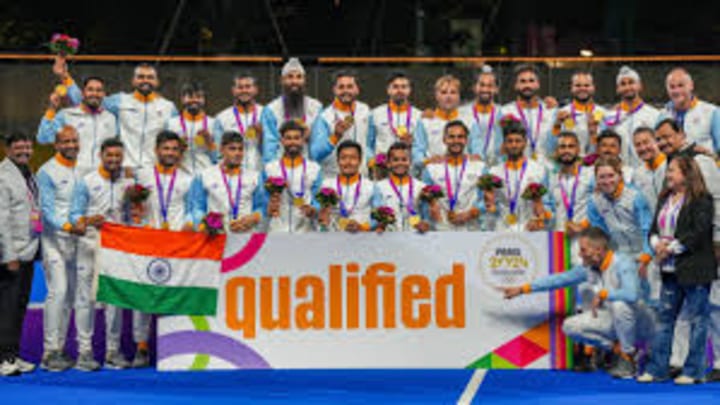
4. Mismanagement of Resources
Corruption and inefficiency within sports federations have long plagued India's athletic landscape. Misappropriation of funds means that resources rarely reach the athletes who need them most, perpetuating a cycle of disillusionment and underperformance.
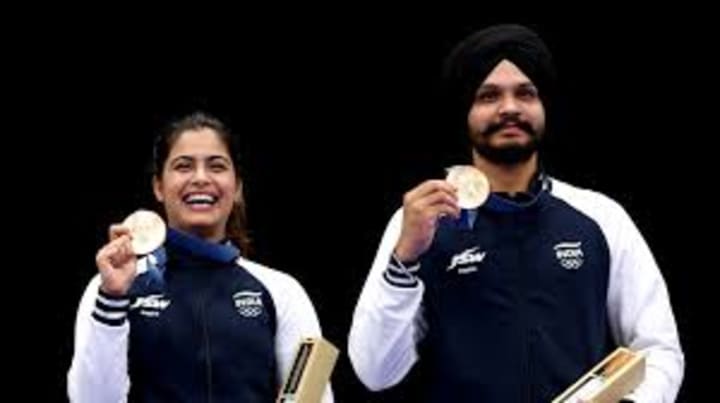
Cultural Perceptions of Sports
1. Cricket's Overbearing Presence
Cricket is more than just a sport in India—it's a national obsession. Unfortunately, this infatuation comes at the expense of other sports, which struggle for attention and funding. Talented young athletes are often drawn to cricket, leaving a void in disciplines that might otherwise flourish on the Olympic stage.
2. Absence of Role Models
Though India has produced a few sporting icons—P.V. Sindhu in badminton, Sakshi Malik in wrestling—they are exceptions in a landscape that lacks diversity in role models. The scarcity of celebrated figures across various sports discourages the next generation from pursuing non-cricketing disciplines.
Psychological Factors
1. Crushing Expectations
With India's burgeoning pride in its global achievements, the weight of expectations on athletes has become a heavy burden. The intense pressure to succeed can lead to performance anxiety, causing athletes to falter under the spotlight. Mental resilience is just as crucial as physical prowess, and without the necessary support, athletes often struggle to cope.
2. Neglect of Mental Health
Mental health, particularly in the context of sports, remains a taboo topic in India. The stigma surrounding mental well-being discourages athletes from seeking the help they need, exacerbating issues that could otherwise be managed. In a field where mental strength is key, this oversight can have severe consequences.
Looking Forward: Strategies for Change
Despite these challenges, India has the potential to revitalize its sports ecosystem. By implementing targeted strategies, the nation can begin to foster a culture of excellence across a variety of disciplines:
1. Investing in Infrastructure
Building state-of-the-art facilities in both urban and rural areas is critical. Collaborative efforts between government and private sectors can create environments where athletes from all backgrounds have the tools to succeed.
2. Prioritizing Grassroots Development
Establishing sports academies at the district level can help identify and nurture young talent. By supporting athletes from an early age, India can broaden its representation in Olympic sports beyond cricket.
3. Elevating Coaching Standards
Comprehensive coaching programs that attract and train qualified coaches are essential. Enhanced coaching education will improve the quality of training, leading to better outcomes on the international stage.
4. Integrating Mental Health Support
Incorporating mental health initiatives into training programs can help athletes manage stress and maintain focus, ensuring they are prepared both mentally and physically for competition.
5. Promoting Sports Diversity
A shift in media focus and funding from cricket to a broader range of sports is crucial. By celebrating achievements across disciplines, India can inspire a new generation of athletes to pursue success in varied fields.
Conclusion
India's underwhelming performance at the Paris Olympics reflects a web of systemic, cultural, and psychological challenges. Yet, the path to improvement is clear. With strategic investments and a collective effort from all stakeholders, India can transform its sporting landscape. The journey may be arduous, but the potential for greatness is within reach. By addressing these issues head-on, India can aspire to rewrite its Olympic narrative, turning missed opportunities into future triumphs.
About the Creator
David Snam
Greetings, I'm David Snam, a passionate storyteller weaving narratives that resonate with the heart and mind. My tales blend the surreal with the everyday, inviting you to explore worlds where the ordinary transforms into the extraordinary.
Keep reading
More stories from David Snam and writers in Unbalanced and other communities.
"IOC's Bold Stand: 'This is Not a Transgender Issue'—Olympic Boxing Controversy Ignites Fierce Debate"
In recent years, the conversation surrounding sports and gender identity has dramatically evolved, particularly within elite-level competitions such as the Olympics. Most recently, the International Olympic Committee (IOC) found itself at the center of heated discourse regarding the eligibility of transgender athletes in the sport of boxing. This dialogue raised important questions about fairness, inclusion, and the integrity of competition. However, in a press release and subsequent communications, the IOC cautioned against framing this issue primarily through the lens of transgender rights, suggesting a more nuanced understanding of the complexities involved.
By David Snam2 years ago in Unbalanced
Somers Fights on to End in Loss to Hen Hud
Scroll to end for photos and video After upsetting Croton-Harmon in the first round, the Tuskers took the show on the road to Hen Hud and were again unfazed by the unfamiliar surroundings. A 27-21 lead late in the third had the 9th seed dreaming of the County Center, but unfortunately the lofty perch unraveled when a nightmare scenario ensued.
By Rich Monettia day ago in Unbalanced
Kentucky Basketball: Passion, Pressure, and a Proud Legacy
In some places, sports are entertainment. In others, they become part of everyday life. In the state of Kentucky, basketball holds that deeper meaning. For generations, families have gathered around televisions, filled arenas with blue and white, and celebrated the achievements of young athletes who wear the university jersey. Kentucky basketball is more than a college team. It represents pride, tradition, and the belief that hard work on the court can create unforgettable moments. Every season carries hope, excitement, and sometimes heartbreak. Fans expect greatness because history has shown it is possible. From legendary players to dramatic tournament victories, Kentucky basketball continues to shape the identity of a community that lives and breathes the game.
By Muqadas khan4 days ago in Unbalanced
A System That Isn’t Working Challenge Winners
Systems promise order. They organize behavior, distribute opportunity, and suggest that if everyone follows the rules, things will work. The entries in A System That Isn’t Working look closely at what happens when that promise begins to slip.
By Vocal Curation Team5 days ago in Resources




Comments
There are no comments for this story
Be the first to respond and start the conversation.