
"IOC's Bold Stand: 'This is Not a Transgender Issue'—Olympic Boxing Controversy Ignites Fierce Debate"
"Fairness vs. Inclusion: How the IOC's Stance on Transgender Athletes is Shaping the Future of Olympic Competition"

In recent years, the conversation surrounding sports and gender identity has dramatically evolved, particularly within elite-level competitions such as the Olympics. Most recently, the International Olympic Committee (IOC) found itself at the center of heated discourse regarding the eligibility of transgender athletes in the sport of boxing. This dialogue raised important questions about fairness, inclusion, and the integrity of competition. However, in a press release and subsequent communications, the IOC cautioned against framing this issue primarily through the lens of transgender rights, suggesting a more nuanced understanding of the complexities involved.

The Background of the Controversy
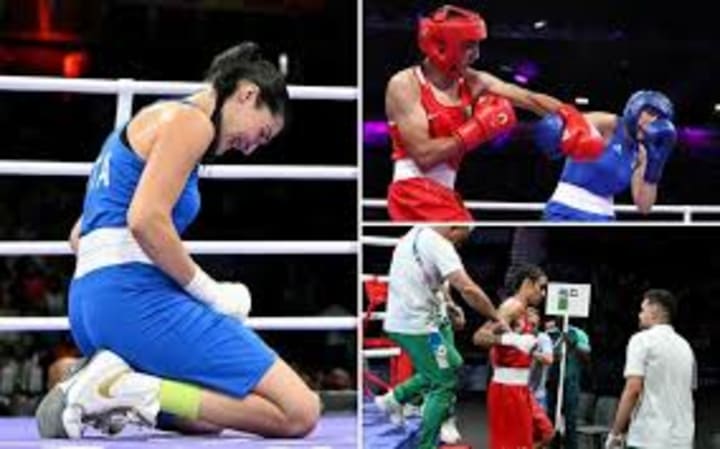
The controversy can largely be traced back to the introduction of new regulations governing the participation of transgender athletes. In 2021, the IOC released a framework aimed at ensuring fairness in competition while promoting inclusivity. Among the various sports, boxing became a focal point, igniting a spirited debate particularly after reports surfaced about a transgender athlete's participation in qualifying events for the Olympic Games.
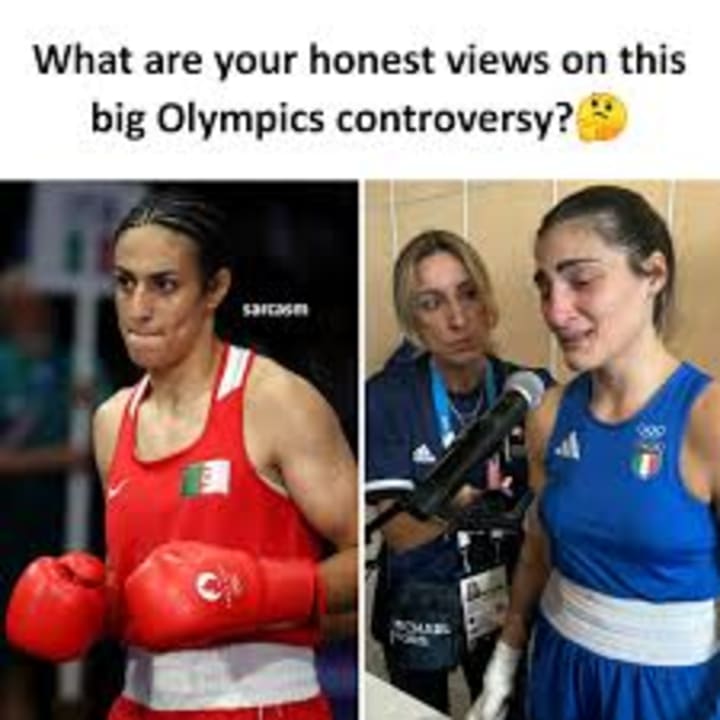
Critics argued that allowing athletes who have undergone male puberty to compete in women's events creates an uneven playing field, given the physiological advantages that might pertain to strength and cardiovascular capacity. Proponents for the inclusion of transgender athletes, on the other hand, argued for the fundamental rights of individuals to compete in a category that aligns with their gender identity.
The IOC's Position
The IOC's response to the uproar was cautious yet definitive. When they emphasized that “this is not a transgender issue,” they sought to redefine the narrative, steering the conversation towards issues of safety, fairness, and the integrity of the sport as a whole, rather than solely focusing on transgender rights. According to the IOC, the central concern should be ensuring that all athletes can participate safely and equitably, regardless of their gender identity.
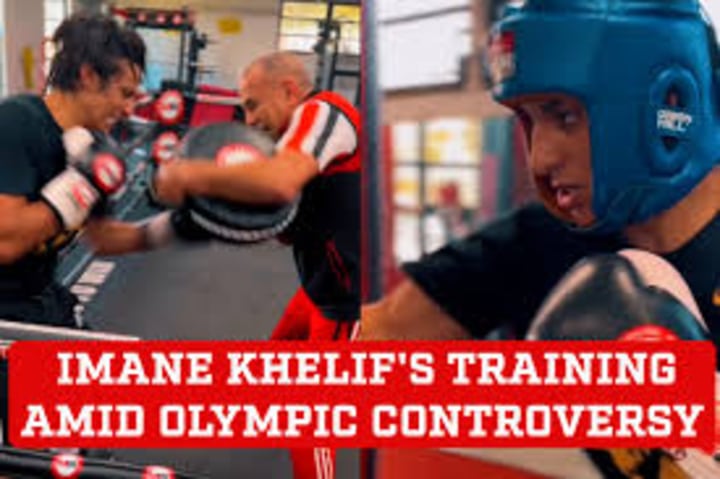
Beyond the binary notion of male and female, the IOC highlighted that sports organizations must consider a multitude of factors, including the physiological differences that can impact performance. They stressed the necessity of individual sport federations, like AIBA (International Boxing Association), to establish guidelines that sufficiently protect the integrity of competition while ensuring that all athletes, including transgender competitors, are treated fairly.
A Complex Landscape
The complexity of the issue cannot be overstated. Sports, by their nature, are competitive arenas where physical differences can lead to significant disparities in performance. In boxing, a sport that demands not only stamina but also strength, power, and technique, the stakes are particularly high. The IOC’s directive suggests that each sport must take a tailored approach to crafting its participation criteria instead of relying solely on broad policies that may not effectively address the unique aspects of each discipline.
Different Perspectives
There are varied perspectives within the sports community. Those advocating for stricter guidelines emphasize the importance of ensuring fairness in competition. They argue that, despite individuals' rights to participate as they identify, the model of inclusion must not come at the expense of other competitors’ opportunities.
On the other hand, many athletes and advocates demand recognition of transgender rights as a fundamental aspect of human rights and equality. They argue that participation in sports serves as an important avenue for validation, community engagement, and personal achievement, which should include everyone, irrespective of gender identity.
Moving Forward: Seeking Solutions
As the Olympic movement progresses, a collaborative approach may prove essential in resolving the ongoing debate surrounding inclusion and fairness. The IOC’s stance highlights the necessity of dialogue across diverse stakeholders, including athletes, medical professionals, and sports governing bodies. Workshops, focus groups, and consultations can forge consensus regarding how best to regulate participation in a way that is equitable and sensitive to the unique challenges posed by sports like boxing.
Innovative solutions that embrace both inclusivity and fairness might include developing weight categories, refining testosterone thresholds, or instituting more individualized evaluation metrics for participation. These approaches can create a balanced framework that prioritizes competitive integrity while also recognizing the evolving nature of gender identity in society.
Conclusion: A Call for Understanding
The issue surrounding transgender participation in sports like boxing is one that invites passionate and often divergent opinions. The IOC's declaration that this is not merely a transgender issue is a reminder that the conversation must be rooted in broader themes of athlete safety, fairness, and integrity.
Ultimately, it requires significant effort from all stakeholders to navigate these complexities and strive for a system that values human dignity without sacrificing competitive balance. Striking that balance is neither simple nor straightforward, but it remains an essential endeavor for the future of sports, especially as we prepare for new and evolving questions in the years to come.
As the Olympic Games continue to capture the world’s attention, it is vital for everyone involved to engage in discussions that foster understanding, promote inclusivity, and ensure fair competition across all sporting disciplines. The future of Olympic boxing—and potentially many other sports—hinges on the ability to find a pathway that embraces diversity while safeguarding the essence of competition.
About the Creator
David Snam
Greetings, I'm David Snam, a passionate storyteller weaving narratives that resonate with the heart and mind. My tales blend the surreal with the everyday, inviting you to explore worlds where the ordinary transforms into the extraordinary.
Keep reading
More stories from David Snam and writers in Unbalanced and other communities.
"Paris Olympics 2024: Uncover the Thrilling Surprises and Unforgettable Moments Awaiting You!"
Hey there, sports fans! Are you ready for the biggest sporting event of the decade? The Paris Olympics 2024 is just around the corner, promising a spectacular blend of tradition, innovation, and excitement. Let's dive into everything you need to know about this grand event!
By David Snamabout a year ago in Unbalanced
Wild Card Weekend Recap: What Happens Now?
I think I figured out why I love Wild Card Weekend so much. It's because it's the first playoff anything of the calendar year. The NFL season starts in the fall, and once upon a time, the champion was crowned either on or slightly before New Year's. The evolution of the NFL schedule has resulted in the playoffs starting just into the New Year, and currently, the final week of the season falls on the first weekend of the New Year, with Wild Card Weekend coming a week after that. So yes, chronologically, the NFL's Wild Card Weekend serves as the first playoff anything of the calendar year.
By Clyde E. Dawkins6 days ago in Unbalanced
Rolland Courbis: A Defining Voice in French Football Management
Rolland Courbis is a name that evokes strong reactions in French football. To some, he is a sharp tactician and fearless leader; to others, a controversial figure whose career has been marked by both success and turbulence. Regardless of opinion, Courbis remains one of the most influential and recognizable personalities in France’s football landscape, known for his managerial stints, media presence, and uncompromising honesty.
By Asad Ali6 days ago in Unbalanced
How to Succeed at the Benson Directory®
Congratulations and welcome to the Benson Directory® employee #22391! As our newest call handler, you will have the privilege of speaking with dozens of unique and interesting people on a daily basis as well as the opportunity to earn bonuses for high performance. Contained within this handbook you will find a set of ease to follow instructions designed to help you settle in to your new role and begin paving the way to success.
By S. A. Crawford2 days ago in Fiction




Comments (2)
Amazing article
Nice work