
What is the Best Strategy for Trading in Crude Oil?
Which is the Best Crude Oil Trading Strategy?

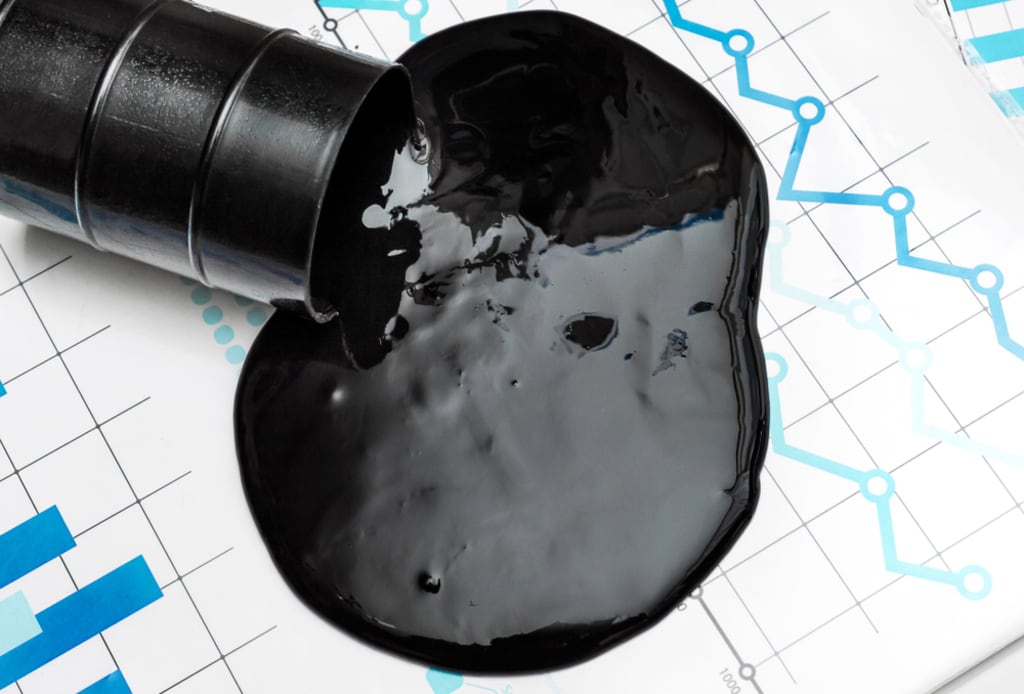
Crude oil is one of the most traded commodities in the world, influencing everything from transportation costs to the price of goods. Its importance in the global economy makes it a popular choice for traders capitalising on its price movements. However, crude oil trading isn’t just about buying low and selling high—it requires understanding market trends, global events, and risk management strategies.
This article will explain the key aspects of crude oil trading and highlight some of the best strategies for navigating this dynamic market. Whether you're just starting out or looking to refine your approach, this guide will provide the tools and insights you need to trade confidently.
Understanding the Crude Oil Market
Crude oil is categorised based on its geographic origin and chemical composition, with the two primary benchmarks being:
1. West Texas Intermediate (WTI)
• Known as a "light sweet" crude, WTI has low sulphur content and is primarily extracted in the United States.
• It is a benchmark for oil prices traded on the New York Mercantile Exchange (NYMEX).
• WTI is popular among North American traders due to its proximity and lower transportation costs.
2. Brent Crude
• Extracted from fields in the North Sea, Brent crude is another benchmark used to price oil globally.
• Its price reflects international supply and demand trends, making it a key indicator for global markets.
Understanding these benchmarks helps traders identify price trends and align they're forex trading techniques with regional market dynamics.
Key Factors Influencing Crude Oil Prices
1. Supply and Demand Dynamics
The fundamental law of supply and demand governs crude oil pricing:
• Supply: Factors like production rates, exploration efficiency, and geopolitical disruptions affect supply levels.
• Demand: Industrial activity, transportation, and seasonal consumption patterns directly impact demand.
2. Geopolitical Events
Geopolitical tensions often disrupt oil production or supply chains. For instance, conflicts in the Middle East or sanctions on major oil-exporting countries can create supply shortages, driving prices higher.
3. Economic Indicators
Indicators such as GDP growth, inflation, and unemployment rates influence crude oil demand. A thriving economy often correlates with increased energy consumption and increasing oil prices.
4. Weather and Seasonal Effects
Extreme weather conditions, like hurricanes, can disrupt offshore drilling and production facilities. Similarly, winter months typically demand higher heating oil demand, driving seasonal price fluctuations.
5. OPEC and Non-OPEC Decisions
The Organization of Petroleum Exporting Countries (OPEC) and its allies, including non-OPEC members, regulate oil production to stabilise global markets. Unexpected production cuts or increases by OPEC heavily influence price movements.
Analysing Market Trends – Technical, Fundamental & Sentimental
Technical Analysis
1. Chart Patterns and Price Trends
Technical analysis involves identifying forex chart patterns like triangles, head-and-shoulders, or double tops to predict future price movements. Breakouts from these patterns often signal significant trends.
2. Key Indicators
• Moving Averages (MA): Helps identify trends by smoothing out price fluctuations. For example, a 50-day MA crossing above a 200-day MA indicates a bullish trend.
• Relative Strength Index (RSI): Measures momentum and potential reversal points, indicating overbought or oversold conditions.
• Moving Average Convergence Divergence (MACD): Tracks trend strength and potential reversals using two moving averages.
Fundamental Analysis
1. Understanding EIA Reports
The U.S. Energy Information Administration (EIA) releases weekly inventory reports, providing insights into supply-demand balances. A drop in inventories often signals increased demand, pushing prices higher.
2. Geopolitical Events
Monitoring global events such as sanctions, conflicts, or pipeline disruptions helps anticipate price movements driven by supply constraints.
3. Economic Data Releases
Traders closely follow data like manufacturing PMI, employment figures, and consumer spending, influencing oil demand and market sentiment.
Sentiment Analysis
1. Market Psychology
Market sentiment, shaped by trader expectations and perceptions, can create short-term price volatility. A bullish sentiment, even without immediate supply-demand changes, can drive prices higher.
2. News Impact
Real-time news, such as OPEC announcements or geopolitical crises, can cause abrupt market reactions. Traders need to stay updated to adjust their positions accordingly.
Types of Trading Strategies
1. Day Trading
Day traders capitalise on short-term price fluctuations within a single trading session. This strategy requires close monitoring of charts, indicators, and market events.
2. Swing Trading
Swing traders aim to capture medium-term price movements by holding positions for days or weeks. They identify trends using a mix of technical and fundamental analysis.
3. Long-Term Investing
Long-term traders focus on macroeconomic trends and hold positions for months or even years, targeting significant price moves.
Risk Management Techniques
1. Setting Stop-Loss and Take-Profit Levels
These tools limit potential losses and lock in gains, providing traders with predefined risk boundaries.
2. Position Sizing and Diversification
Allocating only a portion of capital to each trade and diversifying across instruments minimises overall exposure.
3. Understanding Leverage and Margin
Leverage amplifies both gains and losses. Traders should use leverage cautiously, ensuring they can withstand market volatility.
Monitoring and Adjusting Your Strategy
1. Continuous Education: Markets are dynamic, and staying updated on industry trends, policy changes, and trading technologies is vital for long-term success.
2. Keeping Up with News: Traders should follow economic releases, geopolitical developments, and weather forecasts to anticipate market shifts.
3. Evaluating Performance: Tracking metrics like profit-loss ratios and risk-adjusted returns helps traders identify areas for improvement and fine-tune their strategies.
Conclusion
Trading crude oil successfully requires a blend of technical and fundamental analysis, effective risk management, and adaptability to market conditions. Traders can navigate this complex yet rewarding market by understanding key factors influencing prices and leveraging advanced tools. However, consistent learning and disciplined execution remain the cornerstones of any successful crude oil trading strategy.
About the Creator
Ethan Williams
I am an experienced trader who has spent over many years working in the financial markets and I have developed strategies that work well over time. I like to share what I know, giving helpful tips and advice to make trading easier.
Keep reading
More stories from Ethan Williams and writers in Trader and other communities.
What is Market Sentiment and How to Use it Effectively?
Let’s talk about the mood of the market today and this is not any rocket science. To understand the sentiments of the market, think about this- have you ever walked into a room and instantly felt the vibe? Like, you just know whether people are excited, anxious, or completely chill even without anyone saying a word?
By Ethan Williams11 months ago in Trader
Who Came Up With Sound Money?
Have you ever wondered why your grocery bill has been so high over the last few years? The answer is inflation, a product of the current economic system. The Federal Reserve currently targets an average inflation rate of around 2% over time.
By Sound Money3 days ago in Trader
A Transparent Look at Vocal Challenges and Top Stories
Almost three years ago, we shared a resource article that served as a place for people to suggest new challenge prompts. We thought it would be a good idea to refresh that thread, and take the opportunity to answer a few common questions about top stories, how challenges are judged and how submissions are reviewed.
By Vocal Curation Team3 days ago in Resources



Comments
There are no comments for this story
Be the first to respond and start the conversation.