
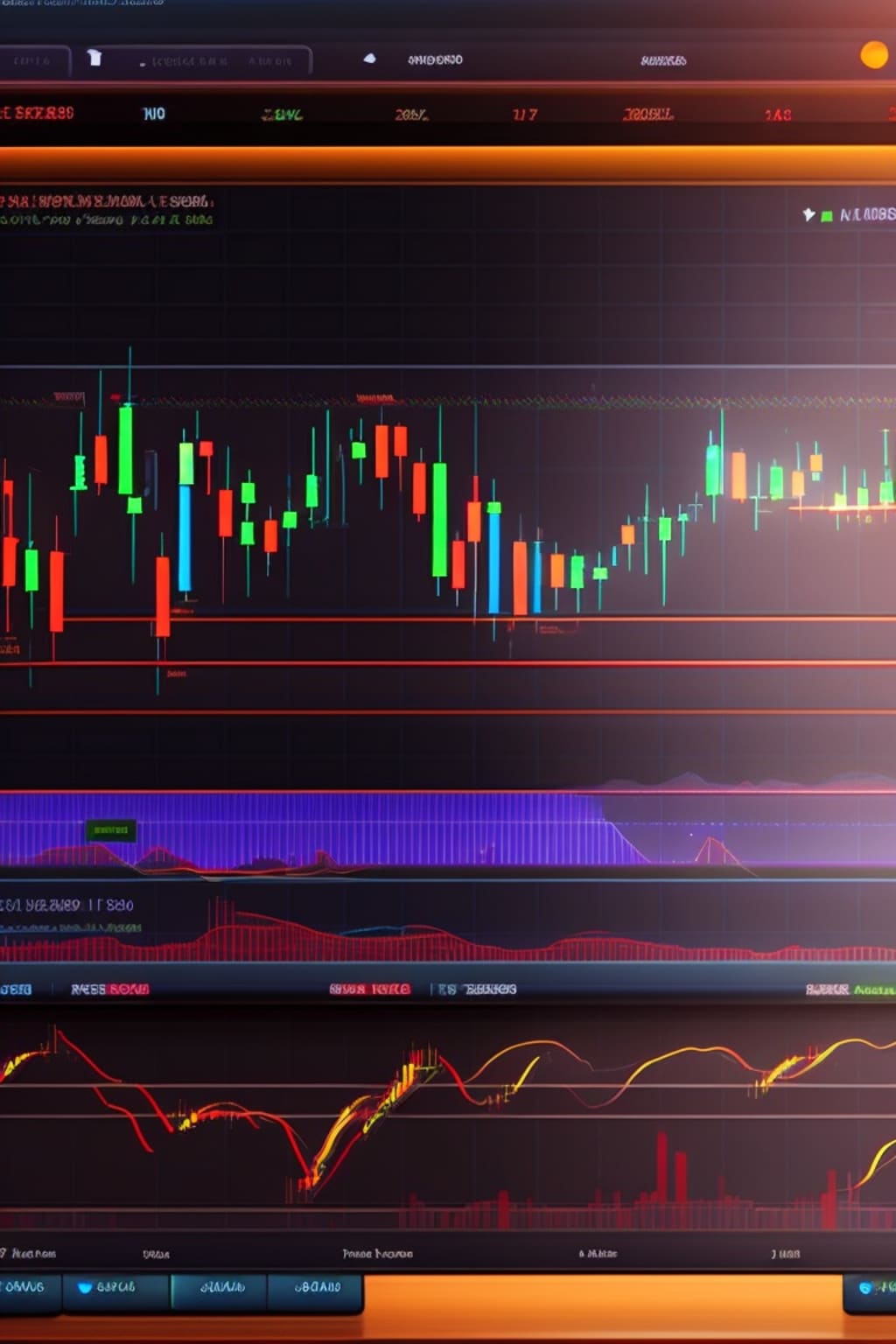
Forex trading refers to the buying and selling of currencies on the foreign exchange market with the aim of making a profit. Forex trading is based on the exchange rate between two currencies, with one currency being bought and the other being sold simultaneously.
Forex trading works by traders speculating on the movement of currency prices. They use various tools such as technical analysis, fundamental analysis, and market sentiment to analyze and predict the future price movements of a particular currency pair. Traders can then either buy or sell the currency pair based on their analysis and predictions.
For example, if a trader believes that the US dollar will appreciate against the Euro, they can sell Euros and buy US dollars. If their prediction is correct and the US dollar does appreciate, they can sell their US dollars and buy back Euros at a lower price, thereby making a profit.
Forex trading is typically done through a broker, who provides the trader with a trading platform to access the forex market. The broker charges a fee or spread for their services. Traders can trade forex 24 hours a day, five days a week, as the forex market is open continuously during this time.
how to trade in forex?
Here are the basic steps to trade in the forex market:
Choose a Forex Broker: The first step is to select a reputable forex broker. You will need to consider factors such as regulatory compliance, trading platform, fees, customer support, and educational resources.
Open a Trading Account: Once you have chosen a broker, you will need to open a trading account. This typically involves completing an online application and providing identification documents.
Fund Your Account: After your account is approved, you will need to deposit funds into your trading account. This can usually be done through bank transfer, credit card, or electronic payment services.
Analyze the Market: Before entering a trade, you will need to analyze the market using tools such as technical analysis, fundamental analysis, or a combination of both. This will help you identify potential trading opportunities and determine entry and exit points.
Place Your Trade: After you have identified a trading opportunity, you will need to place a trade through your broker's trading platform. This typically involves selecting the currency pair, the trade size, and the direction of the trade (buy or sell).
Monitor Your Trade: Once your trade is open, you will need to monitor it to ensure that it is performing as expected. You can adjust your stop loss or take profit levels, or close the trade manually if necessary.
Manage Your Risk: Forex trading involves risk, so it's important to manage your risk carefully. This includes setting stop loss and take profit levels, using appropriate position sizing, and avoiding overtrading or emotional trading.
Withdraw Your Profits: If your trade is successful, you can withdraw your profits from your trading account. This is typically done through the same payment method used to deposit funds.
A forex broker acts as an intermediary between the traders and the interbank market. The interbank market is a global network of banks that trade currencies with each other. Forex brokers provide their clients with access to this market and allow them to trade currencies by opening positions in the market.
When you open a trading account with a forex broker, you deposit funds into your account, and the broker provides you with a trading platform that allows you to place orders in the market. The broker may also provide you with educational resources, technical analysis tools, and customer support.
Forex brokers earn money by charging a spread or commission on each trade that their clients make. The spread is the difference between the bid and ask price of a currency pair. The bid price is the price at which you can sell a currency, and the ask price is the price at which you can buy a currency.
The broker may also offer other services, such as managed accounts, social trading, and copy trading, where you can follow the trades of other successful traders.
It is essential to choose a reputable forex broker that is regulated by a recognized financial authority in your country or region. This ensures that the broker follows strict regulations to protect your funds and maintain a fair and transparent trading environment
About the Creator
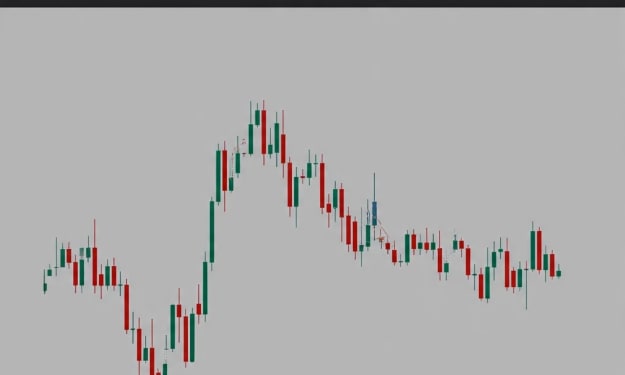
STOXX Europe 600: How Today’s Market Shifts Can Impact Your Portfolio
The STOXX Europe 600 is a major index tracking 600 of Europe’s largest companies. Investors who understand its trends can make smarter decisions and protect their portfolios from unexpected market changes. By analyzing the STOXX Europe 600, you can uncover opportunities and avoid risks that many investors might overlook. This article explores recent market shifts, sector performance, and strategies to use the STOXX Europe 600 effectively.
By John.doe7986 days ago in Trader
📢 Raise Your Voice Thread: 01/22/2026
Our “Raise Your Voice Threads” are hosted most alternating Thursdays at 12PM ET to offer creators more avenues to uncover exceptional stories on Vocal. As we are continuously searching for fresh creators and inspiring stories, this thread provides an opportunity to exchange and discuss the stories that have moved and motivated us on Vocal.
By Raise Your Voice by Vocal5 days ago in Resources


Comments
There are no comments for this story
Be the first to respond and start the conversation.