
What Financial Freedom Really Means (And How to Get There)
Defining True Independence and Crafting Your Personal Road Map


What Financial Freedom Really Means (And How to Get There)
Defining True Independence and Crafting Your Personal Road Map
When people talk about financial freedom, images of exotic vacations, early retirement or limitless shopping often come to mind. Yet the true essence of financial freedom is far richer and more personal than those clichés. It is about the power to make choices that align with your values without being held captive by money worries. It means having confidence in your ability to handle life’s twists and turns, and the freedom to spend time on what matters most to you, whether that is family, passion projects or simply peace of mind.
In this article, we will explore what financial freedom really entails, why a one-size-fits-all definition falls short and how you can chart your own path, step by step.
1. Redefining Financial Freedom
Financial freedom is not simply a number in a bank account. It is the state of mind that comes from knowing your finances support your goals rather than controlling you. For some, it means no debt. For others, it means passive income covering living costs. And for many, it is the blend of stability and flexibility that allows them to live life on their terms.
To find your definition, ask yourself:
• What worries me most about money?
• What would I do if money were no object?
• What kind of lifestyle feels fulfilling, not extravagant?
Your answers illuminate the values and experiences you truly desire.
2. Building a Solid Foundation
Before chasing lofty goals, you need stability. This foundation rests on three pillars:
A. Emergency Fund
Aim for three to six months’ worth of essential expenses. This buffer lets you navigate setbacks without derailing your plans.
B. Debt Management
High‑interest debt is a barrier to freedom. Prioritise paying off credit cards and loans that carry steep rates. As balances shrink, you free up cash for saving and investing.
C. Budget Clarity
Track your income and outgoings to understand exactly where your money goes. A transparent budget helps you direct funds toward what matters and cut out what does not.
3. Crafting Purposeful Goals
Freedom without direction can feel aimless. Break your aspirations into:
• Short-term goals, such as paying off a small debt or saving for a holiday within a year.
• Medium-term goals, like building a home deposit or establishing a substantial investment fund over five years.
• Long-term goals, including retirement planning or creating generational wealth.
Setting these milestones helps you measure progress and celebrate achievements along the way.
4. Multiplying Income Streams
Relying solely on a single salary can limit your options. Explore ways to add income that align with your skills and interests:
• Freelancing or consulting in your expertise.
• Investing in dividend‑paying assets or peer‑to‑peer lending.
• Creating digital products or online courses.
Additional income not only accelerates your journey but also cushions you against job loss or economic shifts.
5. Investing With Intention
Investing is a core driver of long-term wealth. To invest wisely:
• Understand your risk tolerance and time horizon.
• Diversify across asset classes; stocks, bonds, property and alternative investments.
• Automate contributions to take advantage of pound‑cost averaging and remove emotional decision‑making.
Patience is your ally. Market fluctuations are natural; staying the course compounds your growth over decades.
6. Embracing a Frugal Mindset, Not Deprivation
Frugality is often mistaken for a joyless existence. In reality, it is about spending intentionally on what brings you value and cutting what does not. Ask yourself:
• Does this purchase help me reach my goals?
• Will I cherish this experience or item in a year’s time?
By aligning spending with values, you can enjoy life now while securing your future.
7. Automating Your Path to Freedom
Set up your financial life on autopilot:
• Schedule regular transfers to savings and investment accounts.
• Automate bill payments to avoid fees.
• Use tools to monitor and adjust your budget.
Automation reduces decision fatigue and ensures you stay on track even during busy periods.
8. Cultivating Financial Resilience
True freedom includes the ability to adapt. Build resilience through:
• Continuous learning; keep updating your financial knowledge.
• Networking; surround yourself with people who support your goals.
• Review and revision; revisit your plan annually to adjust for life changes and new ambitions.
Resilience turns setbacks into stepping stones.
9. The Emotional Journey of Money
Money touches deep emotions: fear, guilt, pride or security. Cultivate a healthy money mindset by:
• Practising gratitude for what you have.
• Reframing setbacks as lessons not failures.
• Celebrating progress, however small.
Your emotional relationship with money can fuel your progress as much as any spreadsheet.
10. Defining Freedom Beyond Finances
Remember, financial freedom is a means to an end, not the end itself. True independence allows you to:
• Spend quality time with loved ones.
• Contribute to causes you care about.
• Pursue passions without financial strain.
Align your financial choices with these deeper aspirations to create a life you love.
Final Thoughts
Financial freedom is not a destination with a single blueprint. It is a personalised journey requiring clarity of purpose, disciplined action and emotional resilience. By defining what freedom means to you, building strong foundations and crafting adaptable strategies, you can transform money from a source of stress into a tool for living your best life. Start today, take one step, and embrace the path toward genuine independence.
About the Creator
Mutonga Kamau
Mutonga Kamau, founder of Mutonga Kamau & Associates, writes on relationships, sports, health, and society. Passionate about insights and engagement, he blends expertise with thoughtful storytelling to inspire meaningful conversations.
Keep reading
More stories from Mutonga Kamau and writers in Trader and other communities.
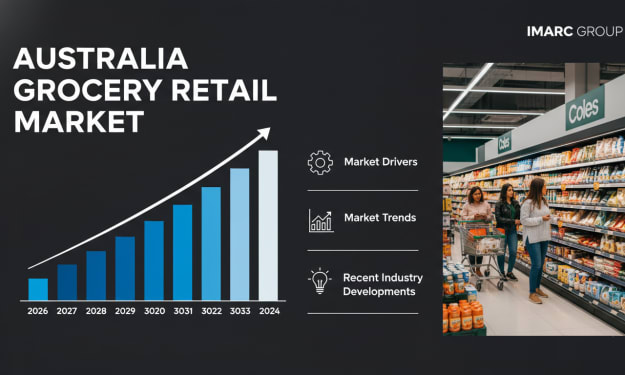
Australia Grocery Retail Market Growth, Forecast, and Strategic Insights by 2034
The grocery retail sector plays a vital role in Australia’s economy, serving millions of consumers who rely on supermarkets, convenience stores, and online platforms for everyday essentials. Over the past decade, the industry has evolved significantly as retailers adapt to changing consumer preferences, technological innovations, and new competitive pressures.
By Amélie Belleabout an hour ago in Trader
Writing To Succeed
If you want to find something that will help readers find your writing, possibly expand your audience, and maybe even get you noticed for other things, then you’re not alone. But how can you get it done in a world full of want-to-be writers? Look less at what you’re writing now, and more at what other writers have used to boost their views and reads.
By Jason Ray Morton 4 days ago in Writers


Comments
There are no comments for this story
Be the first to respond and start the conversation.