
Understanding Ultra-Low Spreads and Why They Matter for Active Traders
A realistic explanation of cost efficiency, tighter pricing, and how small differences affect trading outcomes

Spreads are one of the quietest but most important parts of trading, and many beginners don’t fully realise how much they influence long-term results. Every time a trader enters a position, the spread is the first cost they pay. Even before the trade moves, that small difference between the bid and ask decides how much the market needs to move before the position becomes profitable. Ultra-low spreads make that initial distance smaller, which is why they matter so much—especially for scalpers and traders who open multiple positions throughout the day.
High spreads force traders to start every trade at a disadvantage. They widen the gap that must be covered before any profit appears. This might not feel like much for someone trading occasionally, but for active traders, it becomes a significant cost over time. Ultra-low spreads reduce that burden by keeping the cost as close to zero as possible. They allow traders to react quickly, enter at cleaner levels, and exit without losing too much of their gain to fees hidden inside the spread.
Scalpers feel the impact immediately. A scalping strategy relies on small movements—sometimes only a few pips at a time. If spreads are wide, those small movements don’t matter because the cost eats most of the profit. With ultra-low spreads, every point becomes more meaningful. The trader doesn’t have to “fight the spread” just to get back to breakeven. This creates more opportunities and makes the strategy more practical. Ultra-low spreads aren’t a promise of success, but they provide the environment where short-term strategies can actually work.
Day traders and intraday traders also benefit from tighter spreads. When someone opens and closes multiple trades in a single session, the cumulative cost of spreads becomes noticeable. Even half a pip difference—when multiplied over dozens or hundreds of trades—turns into a meaningful amount. Lower spreads reduce this long-term drag, allowing traders to preserve more of their gains and lose less to transaction costs they cannot control.
Another advantage is clarity. With ultra-low spreads, prices feel cleaner, more realistic, and more reflective of the actual market. Wide spreads can distort entries, trigger stops earlier than expected, or make charts feel slightly out of sync with real price levels. When spreads are tight, traders see smoother entries and more accurate execution. This results in fewer surprises and fewer interruptions in a trader’s strategy.
Ultra-low spreads are especially helpful during volatile sessions. News events, economic releases, or unexpected market moves can widen spreads dramatically. Brokers offering already-tight spreads tend to provide more stability during these movements. Traders get more predictable pricing and can manage risk more effectively. While no broker can completely eliminate spread widening during major events, starting from a lower base level makes the impact smaller.
Experienced traders often choose platforms with ultra-low spreads because they value control. Trading involves enough uncertainty—market volatility, human emotion, unexpected news, and the constant need to make fast decisions. With tight spreads, one aspect of the trading environment becomes more predictable. There’s less of the hidden cost that eats into profits and less friction between seeing an opportunity and acting on it.
Beginners may not appreciate ultra-low spreads immediately, but as they trade more, they start noticing their effect. Someone placing five trades a week might not see dramatic savings, but someone placing fifty will. Understanding how spreads work is part of becoming a more informed trader. It teaches people to look beyond the surface of a platform and analyse how cost structures influence long-term performance.
However, it’s also important to remember that low spreads don’t guarantee profit. They simply remove one layer of unnecessary cost. The trader still needs strategy, discipline, risk management, and patience. Ultra-low spreads enhance the environment—what the trader does inside that environment still decides the outcome.
In simple terms, ultra-low spreads give traders more room to breathe. They minimize cost, improve precision, and make strategies like scalping or active intraday trading more realistic. Over time, these differences accumulate and affect overall trading results far more than many people expect. Tighter spreads create a smoother, more efficient trading experience where the trader can focus on analysis instead of struggling against unnecessary costs.
quomarkets review
About the Creator
Keep reading
More stories from Darren Lee and writers in Trader and other communities.
A Practical Look at Limitless Leverage and Its Real Impact on Traders
Leverage is one of the most talked-about features in online trading, often misunderstood and sometimes used without proper context. When people see the words “high leverage” or “limitless leverage,” the first reaction is usually excitement because it suggests more buying power and a chance to open larger positions with a smaller deposit. But behind that excitement is a more complex reality that every trader should understand clearly. Higher leverage creates flexibility, but it also increases responsibility, and that’s why it tends to appeal more to experienced traders than beginners.
By Darren Lee3 months ago in Trader
Australia Oat Milk Market 2026: Plant-Based Beverage Growth, Health Trends & Sustainable Consumption
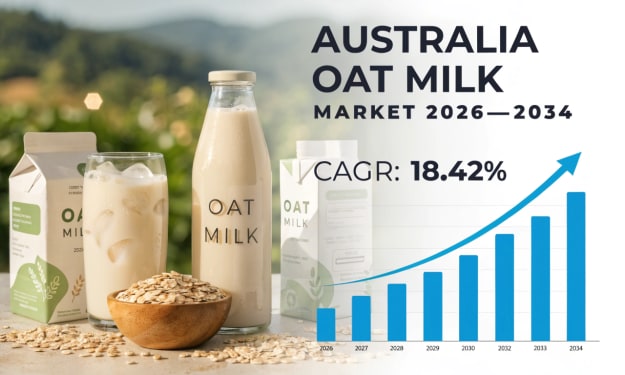
Australia Oat Milk Market Overview The Australia oat milk market is expanding rapidly as consumers increasingly embrace plant-based and dairy-free alternatives driven by health, environmental and lifestyle considerations. Oat milk—a plant-derived beverage made from oats and water—is gaining traction as a creamy, nutritious substitute for traditional dairy milk. It is widely used in coffee, tea, smoothies, breakfast cereals and baking, and has become a staple within the rising plant-based consumption trend across Australia’s urban and regional populations. Growth is supported by rising lactose intolerance awareness, a surge in vegan and flexitarian diets, and expanded availability across retail and foodservice channels.
By Amyra Singh7 days ago in Trader
Silken Chains
Silhouettes of the female form were given flesh and bone. Silken skin glistened under the spotlight. Dry ice rose around our Icons as they danced atop their podiums in the Square. Heralded for their beauty, their movements were slight, powerful, and sensual.
By Paul Stewart4 days ago in Fiction



Comments
There are no comments for this story
Be the first to respond and start the conversation.