
Understanding the CPI Inflation Report
A Simple Guide

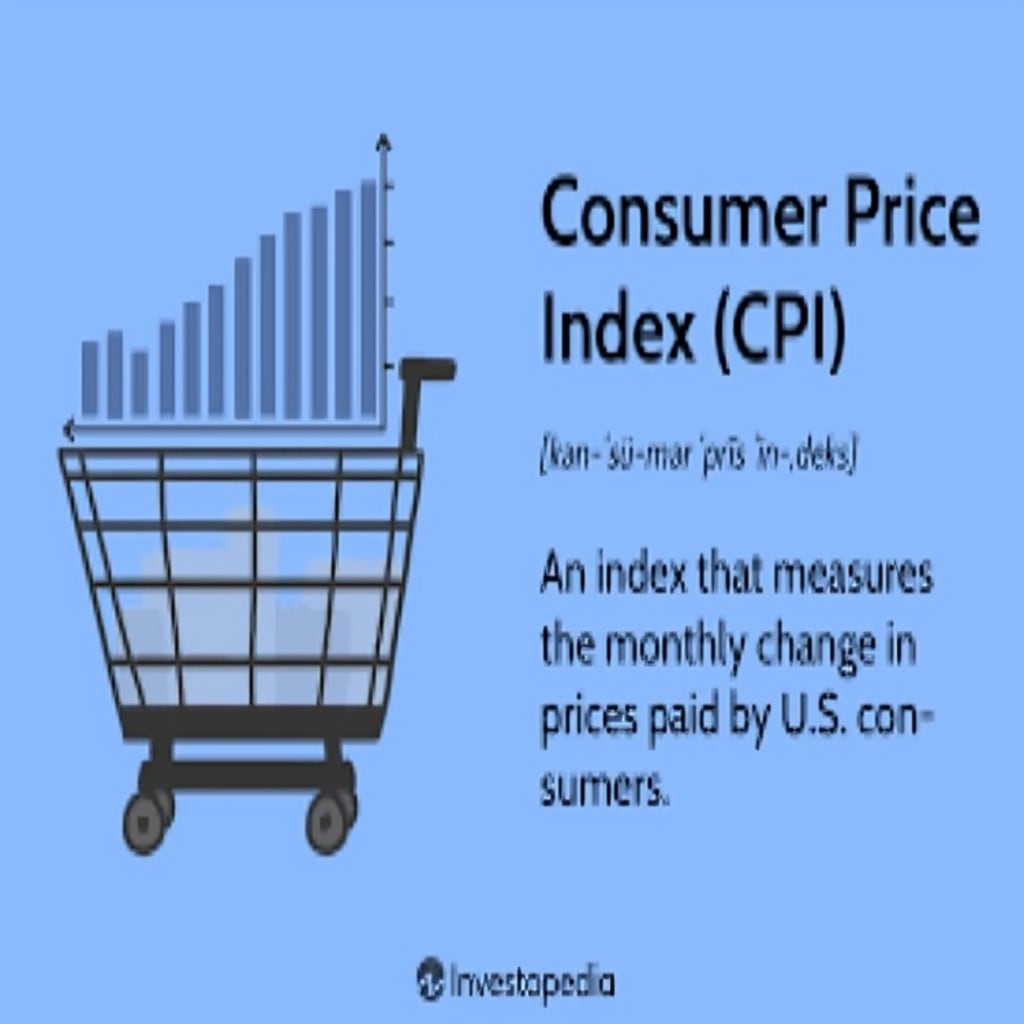
Inflation is a term we hear often, especially when it comes to the cost of living. But how do we measure inflation? One key tool used to track changes in prices over time is the Consumer Price Index (CPI). The CPI inflation report is a critical economic indicator that affects everything from household budgets to national policies. In this article, we’ll break down what the CPI inflation report is, why it matters, and how it impacts everyday life—all in simple and easy-to-understand terms.
What Is the Consumer Price Index (CPI)?
The Consumer Price Index, or CPI, is a measure that examines the average change in prices over time for a basket of goods and services commonly purchased by households. Think of it as a shopping cart filled with everyday items like food, clothing, housing, transportation, and medical care. The CPI looks at how the prices of these items go up or down from one month to the next.
In simpler terms, the CPI tells us whether life is getting more expensive (inflation) or less expensive (deflation). The U.S. Bureau of Labor Statistics (BLS) collects the data for the CPI and publishes a report every month.
Why Is the CPI Inflation Report Important?
The CPI inflation report is important because it gives a snapshot of the economy. Here are some reasons why it matters:
Impacts Your Wallet: If the CPI shows that prices are rising quickly, it means your money doesn’t go as far as it used to. For example, if inflation is high, you might notice that groceries, gas, or rent costs more than last month.
Influences Wages: Many employers and unions use the CPI to adjust wages. For example, if the cost of living increases, workers may receive a raise to help them keep up with inflation.
Guides Government Policies: The Federal Reserve, which manages the U.S. money supply, closely watches the CPI. If inflation is too high, the Fed might raise interest rates to cool down the economy. If inflation is too low, the Fed could lower interest rates to encourage spending.
Adjusts Benefits: Programs like Social Security use the CPI to adjust benefits. If prices rise, benefits increase to help recipients maintain their purchasing power.
What’s in the CPI Basket?
The CPI measures price changes across several categories of goods and services, including:
Food and Beverages: Groceries, dining out, and beverages like coffee and soda.
Housing: Rent, home prices, and utilities like electricity and water.
Transportation: Gas, public transportation, and vehicle prices.
Medical Care: Doctor visits, prescription drugs, and health insurance.
Education and Communication: Tuition fees, books, and internet services.
Recreation: Entertainment, movies, and hobbies.
Apparel: Clothing and footwear.
The weights assigned to each category depend on how much the average consumer spends in those areas. For example, housing typically makes up the largest portion of the CPI because it’s a major expense for most people.
How Is the CPI Inflation Report Calculated?
The CPI is calculated by comparing the current prices of items in the basket to their prices in a base year. The formula is straightforward:
CPI Inflation Rate
=
Current CPI
−
Previous CPI
Previous CPI
×
100
CPI Inflation Rate=
Previous CPI
Current CPI−Previous CPI
×100
For example, if the CPI for January is 280 and for February it’s 285, the inflation rate is:
285
−
280
280
×
100
=
1.79
%
280
285−280
×100=1.79%
This means prices increased by 1.79% from January to February.
What Does the CPI Report Tell Us?
When the CPI report comes out, it typically highlights:
Headline Inflation: This includes all items in the basket.
Core Inflation: This excludes volatile items like food and energy, which can fluctuate wildly due to seasonal or external factors.
If the CPI shows a high inflation rate, it’s a signal that the economy might be overheating, and action may be needed to bring prices under control. Conversely, a very low or negative inflation rate might indicate weak economic growth.
How Does the CPI Affect You?
The CPI inflation report affects your daily life in many ways:
Budgeting: Rising prices mean you may need to spend more on essentials and cut back on extras.
Savings and Investments: Inflation can erode the value of your savings if your money isn’t growing at the same rate as prices.
Loans and Interest Rates: If the Federal Reserve raises interest rates to fight inflation, borrowing money (like mortgages or car loans) can become more expensive.
Final Thoughts
The CPI inflation report is more than just a number—it’s a window into the health of the economy and how it impacts people’s lives. Understanding the CPI helps you stay informed about rising prices and plan your finances better. Whether you’re saving for the future or just trying to make ends meet, keeping an eye on inflation is always a good idea.
By following the CPI inflation report, you can gain a better understanding of the economy and make smarter financial decisions for yourself and your family.
About the Creator
Farhan Sayed
Hi, I’m Farhan Sayed 🌹! I’m here to share stories, thoughts, and maybe sprinkle a little magic along the way. ✨
💡 Passion for:
Exploring new ideas 🧠
Writing from the heart ❤️
Inspiring and connecting with amazing souls like you 🌍
Keep reading
More stories from Farhan Sayed and writers in Trader and other communities.
Beware of Nectar Card Scams
Nectar cards are a popular way to earn points while shopping in the UK. These points can be redeemed for discounts, vouchers, and other rewards. However, scammers are taking advantage of unsuspecting cardholders. Recently, there has been an increase in fraud involving Nectar cards, and it is important for you to stay alert to protect your points and personal information.
By Farhan Sayedabout a year ago in Trader
NVIDIA Corporation: The Stock Powering the Global Artificial Intelligence Boom
NVIDIA Corporation has emerged as one of the most influential companies of the modern technology era. While it was once known primarily for gaming graphics cards, NVIDIA has transformed into the backbone of artificial intelligence, high-performance computing, and data-center innovation. For investors, this shift has turned NVIDIA stock into a symbol of the AI revolution itself.
By Hammad Nawaz5 days ago in Trader
Flower Bloom 369
FLOWER Bloom 2/25/26 Wednesday By Mariann Carroll Karen had been with Tony for 7 years. Tony started acting strangely after her surgery. He would mow the lawn in the rain and be on his cellphone. He started pushing Karen away. Tony came clean about seeing someone. Karen moved out two months later. Karen moved in with a friend. She felt betrayed.
By Mariann Carroll4 days ago in Fiction



Comments
There are no comments for this story
Be the first to respond and start the conversation.