
Understanding Digital Assets: What They Are and Why They Matter
Exploring the Rise of Digital Assets and Their Impact on the Modern Economy
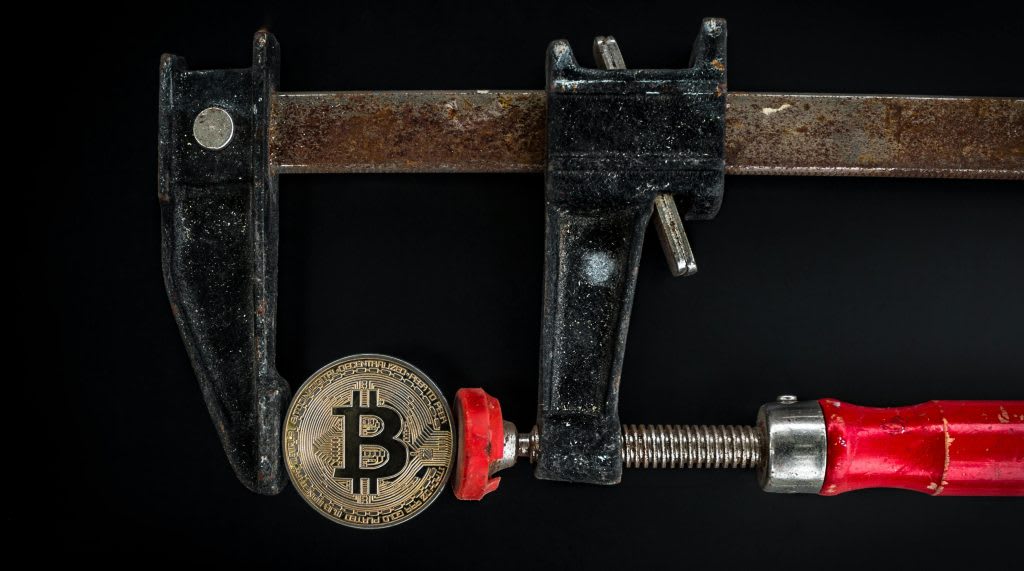
In the modern world, digital assets are becoming increasingly important, revolutionizing industries ranging from finance to art and entertainment. But what exactly are digital assets, and why are they gaining so much attention? In this article, we’ll break down what digital assets are, their different types, and why they’re crucial in today's digital economy.
What Are Digital Assets?
Digital assets refer to any kind of content or resource that exists in a digital form and holds value. Unlike physical assets, which can be touched and held, digital assets exist in the form of data and are accessible through electronic devices such as computers, smartphones, or cloud storage.
Digital assets are often used for various purposes, including business, entertainment, and personal use. They can include anything from cryptocurrencies to digital art, software programs, and even online accounts. The main defining characteristic of digital assets is that they exist in a form that is intangible but still holds value, whether that’s monetary, intellectual, or social value.
Types of Digital Assets
There are several different types of digital assets, each serving different purposes. Here are some of the most common:
1.Cryptocurrencies
Cryptocurrencies like Bitcoin, Ethereum, and others are some of the most well-known digital assets. They exist purely in digital form and utilize blockchain technology for security and decentralized control. Cryptocurrencies are used for a variety of purposes, from investment to facilitating peer-to-peer transactions.
2. Digital Art and NFTs
Digital art refers to artworks created and stored digitally, while NFTs (non-fungible tokens) are a unique type of digital asset that represents ownership or proof of authenticity for digital items like art, music, and videos. NFTs have gained significant popularity, allowing creators to sell their work directly to buyers, while ensuring artists receive royalties for future resales.
3. Software and Apps
Software programs and applications can also be considered digital assets. These can include everything from productivity tools like Microsoft Office to mobile applications and video games. The value of software is derived from its functionality, usage, and the problem it solves for its users.
4. Digital Media
This category includes digital files such as images, videos, music, and even virtual goods used in games. For creators, these digital files can be monetized in many ways, including licensing, selling, or distributing them online.
5. Domain Names
In the online world, domain names are valuable digital assets. They represent website addresses and are often bought, sold, and leased like real estate. Popular or high-demand domain names can fetch significant prices.
6. Online Accounts and Digital Content
Your social media accounts, blog, YouTube channel, or any online content that you've created over time can be considered digital assets. These assets carry value in terms of audience, reputation, and influence.
Why Are Digital Assets Important?
1. Increasing Digital Economy
As the world becomes more digital, the value of digital assets continues to rise. With the growth of the internet, social media, and online commerce, digital assets have become crucial for businesses and individuals alike. Companies are increasingly turning to digital products and services to stay competitive in the global market.
2. New Investment Opportunities
Digital assets, particularly cryptocurrencies and NFTs, have opened up new ways for individuals to invest and diversify their portfolios. The potential for high returns, though volatile, has attracted many investors looking for alternative investment opportunities.
3. Decentralization and Control
Unlike traditional assets, many digital assets, such as cryptocurrencies, provide users with greater control over their wealth. Blockchain technology, which underpins many digital assets, offers a decentralized and secure way to manage assets without relying on intermediaries like banks.
4. Copyright and Intellectual Property Protection
For creators, digital assets like NFTs offer a new way to protect intellectual property. Blockchain technology allows creators to authenticate and sell their work securely, ensuring they are compensated fairly for their efforts and that their work cannot be easily duplicated or stolen.
5. Ownership and Provenance
Digital assets, particularly NFTs, allow for transparent proof of ownership and provenance. This is especially important in fields like art, where knowing the history and authenticity of a piece can significantly impact its value.
Risks and Challenges of Digital Assets
While digital assets have many benefits, they are not without risks. Some of the challenges include:
- Security Risks: Since digital assets are often stored in digital wallets or online platforms, they are susceptible to hacking and fraud.
- Volatility: Many digital assets, especially cryptocurrencies, can experience significant price fluctuations, making them risky investments.
- Regulation: The regulatory landscape for digital assets is still evolving, and new laws could impact their value or accessibility in the future.
Conclusion
Digital assets are transforming the way we think about ownership, value, and investment in the modern world. From cryptocurrencies to digital art, these assets offer unique opportunities for creators, investors, and businesses alike. However, it’s important to approach digital assets with a solid understanding of their risks and rewards. As technology continues to evolve, digital assets will likely play an even more central role in shaping our digital future.
References
Source:https://bit.ly/3D7DNNh
Source: https://bit.ly/3Xo5wQn
Source: https://bit.ly/43ifCpX
Source: https://bit.ly/3Ds1oYG
Source: https://bit.ly/3QNbGpy
About the Creator
Keep reading
More stories from Craig Justin and writers in Trader and other communities.
Understanding Digital Assets and the Framework Surrounding Them
In the ever-evolving landscape of technology, digital assets have emerged as a core element of how individuals and businesses store, transfer, and manage value. From cryptocurrencies to digital art and intellectual property, digital assets encompass a wide range of items that exist in digital form but carry tangible value. As the popularity of these assets grows, understanding the legal, technological, and economic framework that governs them becomes essential.
By Craig Justin11 months ago in Trader
Indian Refiners Await Government Guidance on Halt to Russian Oil Imports
By [Your Name], Local Media Correspondent Indian oil refiners are waiting for clear instructions from the federal government before they can fully halt imports of Russian crude oil, industry sources said. This highlights the complexity of unwinding supply contracts and the challenges facing New Delhi in balancing geopolitical pressure with energy security. The comments come after a recent U.S.–India trade deal that included a provision to stop buying Russian oil, but so far no formal directive has been issued by Indian authorities. Under the framework of the trade agreement announced in early February, U.S. President Donald Trump said India agreed to end its purchases of oil from Russia in exchange for steep cuts in U.S. tariffs on Indian goods — from around 50 percent down to 18 percent. However, Prime Minister Narendra Modi welcomed the tariff reduction without publicly confirming any commitment to halt Russian oil imports. Several refining executives, speaking on condition of anonymity because they were not authorized to brief the press, said Indian refiners have already booked shipments of Russian crude that are scheduled to load in February and arrive in March. Until these contracts are honored, refiners say they will need a “wind‑down period” to adjust to any new policy. A Gradual Transition Rather Than an Immediate Stop India became one of the world’s largest purchasers of Russian seaborne crude after Moscow’s invasion of Ukraine in February 2022, taking advantage of steep discounts on Russian barrels sidelined by Western buyers. At peak levels, Russian oil accounted for a significant share of India’s total crude imports, helping keep the country’s energy costs down. Despite pressure from Washington and ongoing sanctions from the EU and U.S., New Delhi has been cautious in abruptly cutting off a key source of crude that fuels its expanding economy. Industry sources said a full and immediate halt to Russian oil purchases would not only disrupt refinery operations but also have broader implications for domestic fuel markets and energy prices. Refineries like Nayara Energy’s 400,000-barrel-per-day Vadinar plant have historically relied heavily on Russian crude, and abrupt changes could create operational bottlenecks. Refiners Hold Back New Orders, Await Policy Direction Many Indian refiners have paused placing new orders for Russian crude, waiting for firm government guidance before committing to future cargoes. The refining sector is already under pressure from shifting global oil markets, and uncertainty around supply relationships adds to operational challenges. A complete halt to Russian crude imports could have financial implications for private players with long-term contracts with Russian suppliers. Reliance Industries — India’s largest refiner — has publicly said it plans to resume limited Russian crude purchases while evaluating policy impact. Some state-run refineries have slowed or halted new cargo bookings as they assess the situation. Refiners also emphasize that switching supply sources is not simple. Heavy crude grades from Russia are uniquely suited to some Indian refineries’ configurations, and alternatives from the Middle East, Africa, or the United States may not always match operational requirements. Government Response: Cautious and Measured India’s oil ministry has so far not issued a formal policy statement instructing refiners to stop Russian oil imports. A spokesperson from the Ministry of External Affairs reiterated that India’s energy policies are dictated by national interests and the need to maintain affordable fuel for consumers and industry alike. Officials, however, hinted that diversification of crude sources is underway. Western pressure — particularly from the United States — has intensified in recent months. The Trump administration has urged India to increase oil purchases from U.S. producers and Venezuela, a move that could reshape global crude-supply patterns. However, analysts note that the transition away from Russian crude may not immediately boost U.S. imports. Refiners with limited capacity to process lighter grades might find alternative heavy crudes — including Venezuelan grades — only a partial substitute. Economic and Geopolitical Stakes Russian oil imports sit at the intersection of economics and geopolitics for India. On one hand, Russian barrels offer cost advantages that support competitive fuel pricing domestically. On the other, aligning with the United States could secure lower tariffs for Indian exports, incentivizing New Delhi to consider Washington’s broader geopolitical objectives. Moody’s Ratings warned that an immediate disruption to India’s Russian oil imports could ripple through the economy, leading to higher energy costs and inflationary pressures if alternative supplies are not secured swiftly. The Road Ahead: Policy Decisions Awaited As the standoff continues, Indian refiners navigate a period of uncertainty. With existing commitments to Russian cargoes to be fulfilled in the short term, the industry is effectively in a holding pattern until New Delhi articulates a definitive policy direction. Industry watchers say the eventual shape of India’s crude oil import portfolio — including the pace of reduction in Russian imports — will have significant implications for global oil markets, energy diplomacy, and India–U.S. relations. For now, Indian refiners say they need clarity and time — a wind‑down period to transition away from Russian markets if and when the government mandates it. Absent clear instruction, they will continue fulfilling existing contracts while cautiously adapting to evolving geopolitical dynamics.
By Ayesha Lashari6 days ago in Trader
📢 Raise Your Voice Thread: 02/05/2026
Our “Raise Your Voice Threads” are hosted most alternating Thursdays at 12PM ET to offer creators more avenues to uncover exceptional stories on Vocal. As we are continuously searching for fresh creators and inspiring stories, this thread provides an opportunity to exchange and discuss the stories that have moved and motivated us on Vocal.
By Raise Your Voice by Vocal4 days ago in Resources




Comments