
Transforming Global Trade: How Blockchain is Enhancing Supply Chain Transparency and Accountability
Leveraging Blockchain for Greater Transparency
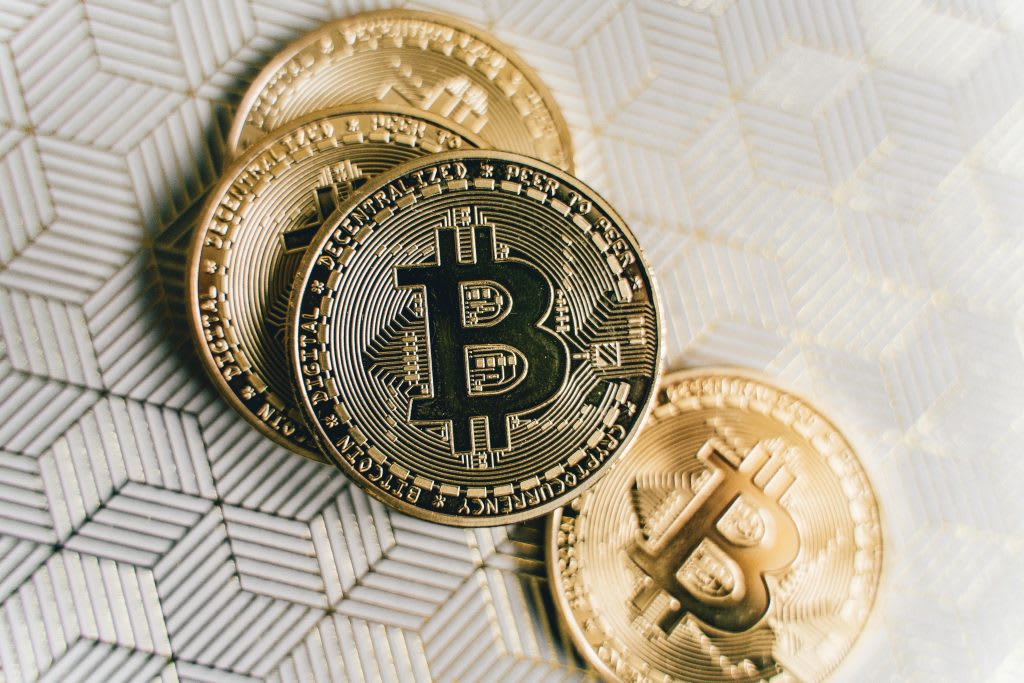
The complexity of global trade and supply chains has increased significantly in recent years. From raw materials to final consumer goods, products travel across vast networks, often passing through multiple hands and crossing borders, which can lead to inefficiencies, fraud, and a lack of transparency. In the wake of these challenges, blockchain technology has emerged as a promising solution for enhancing the visibility, security, and efficiency of global supply chains.
The Growing Need for Transparency in Global Supply Chains
Modern supply chains are often opaque, with limited visibility into the path goods take as they move from manufacturers to consumers. This lack of transparency can lead to issues such as:
- Counterfeit products: Counterfeiting remains a significant issue in industries like pharmaceuticals, luxury goods, and electronics. Without proper tracking and verification, counterfeit goods can enter the market, putting consumers at risk.
- Inefficiencies: Managing a supply chain involves a web of intermediaries, each with their own systems and processes. This fragmented approach can result in delays, miscommunication, and additional costs.
- Environmental and social concerns: As consumers become more conscious of the environmental and social impacts of their purchases, the demand for ethically sourced products has risen. Companies that cannot prove the sustainability of their products may lose consumer trust.
Blockchain technology offers an elegant solution to these challenges by providing a transparent and immutable system for tracking goods throughout the supply chain. By creating a digital ledger that is accessible to all parties involved, blockchain allows every transaction to be verified and recorded in a secure and tamper-proof way.
How Blockchain Improves Supply Chain Transparency
The key advantage of blockchain in supply chain management is its ability to provide real-time, transparent tracking of goods. This decentralized system ensures that all participants in the supply chain—from manufacturers to retailers to end consumers—have access to the same information. Here’s how blockchain enhances supply chain transparency:
1. Immutable Record of Transactions
Each time a product is moved or processed in the supply chain, a new "block" is created on the blockchain. Once a block is added, it cannot be altered, providing a secure and permanent record of the transaction. This feature eliminates the possibility of tampering with or falsifying records, ensuring that the data is trustworthy.
2. Real-Time Tracking
With blockchain, supply chain participants can access real-time data about the status and location of products. For example, consumers can track the journey of a product from manufacturer to store and even learn about its environmental and ethical credentials. This transparency helps foster consumer confidence and trust, as they can verify the authenticity and sustainability of the product.
3. Elimination of Middlemen
Traditional supply chains often rely on multiple intermediaries, such as shipping companies, customs brokers, and warehousing providers. Blockchain allows for direct transactions between parties, eliminating the need for these middlemen and speeding up the process. Additionally, blockchain can automate many tasks, such as payments and contract execution, through the use of smart contracts, which reduces the risk of human error and delays.
Addressing Key Issues in Global Trade with Blockchain
Blockchain's ability to provide transparency is particularly valuable in industries that are prone to fraud, inefficiency, or exploitation. Here are several ways in which blockchain is addressing key issues in global trade:
1. Combating Counterfeit Goods
Counterfeit products are a major issue in industries like pharmaceuticals, luxury goods, and electronics. In the pharmaceutical industry, for example, counterfeit drugs can be dangerous to consumers, leading to health risks and even death. Blockchain can help address this issue by allowing companies to track the entire lifecycle of a product—from its manufacture to distribution to retail. This ensures that the product is genuine and has not been tampered with along the way.
One example of this in practice is Everledger, a blockchain-based platform that tracks the provenance of diamonds. By recording the journey of each diamond on the blockchain, Everledger helps to prove that the diamonds are ethically sourced and not part of the global conflict diamond trade.
2. Reducing Fraud and Error in Documentation
Supply chains rely heavily on paperwork, including invoices, shipping documents, and contracts. These documents can be altered, lost, or duplicated, leading to errors, fraud, and delays. Blockchain eliminates the need for paper-based documentation by providing a digital, tamper-proof record of every transaction. This reduces the risk of fraud and ensures that the documentation is accurate and readily accessible to all stakeholders.
For example, TradeLens, a blockchain platform developed by IBM and Maersk, is being used to digitize shipping documents in global trade. By creating a single, immutable digital record of every transaction, TradeLens improves the efficiency and accuracy of shipping and logistics.
3. Ensuring Ethical Sourcing and Sustainability
Consumers are increasingly concerned about the environmental and social impacts of their purchases. They want to know that the products they buy are ethically sourced and sustainably produced. Blockchain helps companies prove the ethical credentials of their products by tracking their origins and production processes.
For example, companies in the food and fashion industries are using blockchain to trace the origin of raw materials such as cotton, wool, and leather. By recording the journey of these materials on the blockchain, companies can prove that they were sourced responsibly, without exploiting workers or harming the environment. In the food industry, blockchain can also ensure that products meet safety standards and are free from contaminants.
Real-World Applications of Blockchain in Global Trade
Blockchain is already being used in several industries to enhance supply chain transparency and accountability. Below are some notable examples of how blockchain is being applied in global trade:
1. Walmart and IBM: Food Safety and Traceability
Walmart, in collaboration with IBM, has implemented a blockchain-based solution to track the origin of food products. In the event of a food safety issue, such as a contamination outbreak, Walmart can quickly trace the affected products back to their source, reducing the time and resources required to remove them from shelves. This technology has already been used to track the journey of mangoes from farms in Mexico to Walmart stores in the U.S.
2. De Beers: Combatting Conflict Diamonds
De Beers, one of the largest diamond producers in the world, has developed a blockchain platform called Tracr to track the provenance of diamonds. This ensures that diamonds are ethically sourced and not involved in the conflict diamond trade. The blockchain tracks each diamond's journey from the mine to the retailer, providing buyers with transparency and confidence in their purchase.
3. IBM and Maersk: Revolutionizing Shipping
IBM and Maersk have teamed up to create TradeLens, a blockchain-based platform that aims to streamline the global shipping industry. By digitizing shipping documents and using real-time tracking, TradeLens helps reduce delays and costs associated with the traditional shipping process. It also ensures that all parties involved in a shipment—shippers, customs officials, and transport providers—have access to the same information, improving efficiency and accountability.
4. Provenance: Empowering Consumers with Transparency
Provenance is a blockchain platform that allows businesses to provide consumers with detailed information about the sourcing and production of their products. By scanning a QR code on a product's packaging, consumers can access information about its origins, production methods, and sustainability credentials. Provenance is used by brands in industries such as fashion, food, and beauty to prove the ethical and environmental impact of their products.
The Future of Blockchain in Supply Chains
As blockchain technology continues to evolve, its impact on global trade and supply chain management will only grow. The future of blockchain in supply chains will likely see increased adoption across industries, driven by the need for transparency, security, and efficiency. Additionally, advancements in blockchain interoperability and integration with other technologies, such as artificial intelligence (AI), machine learning (ML), and the Internet of Things (IoT), will further enhance its potential.
Governments and regulatory bodies may also begin to implement standards and regulations that encourage the use of blockchain for supply chain transparency, particularly in industries like food safety and pharmaceuticals.
Conclusion
Blockchain technology is rapidly transforming global trade by providing unprecedented transparency, security, and accountability in supply chains. From combating counterfeit goods to ensuring ethical sourcing, blockchain is helping companies and consumers alike navigate the complexities of modern supply chains. As more industries adopt blockchain, we can expect to see more efficient, ethical, and sustainable supply chains that benefit businesses and consumers around the world.
About the Creator
Keep reading
More stories from Craig Justin and writers in Trader and other communities.
How Blockchain Technology is Revolutionizing Supply Chain Management
Blockchain technology, the backbone of cryptocurrencies like Bitcoin and Ethereum, has become one of the most discussed innovations of the 21st century. Originally designed as a secure, decentralized ledger for digital currencies, blockchain's potential to transform various industries is now being recognized far beyond finance. One of the most promising applications of blockchain technology is in supply chain management. Supply chains are often complex, fragmented, and prone to inefficiencies, which can lead to delays, errors, fraud, and increased costs. Blockchain technology has the potential to address these issues by offering greater transparency, security, and efficiency. In this article, we will explore how blockchain technology is revolutionizing supply chains, providing solutions to old problems, and opening up new possibilities for businesses and consumers alike.
By Craig Justin11 months ago in Trader
IBM Share Price Hits New Heights: Secrets Investors Are Overlooking
The IBM share price has been making headlines as it climbs higher, catching the attention of investors everywhere. Many people focus only on short-term gains, but the real opportunities lie in understanding the trends behind the rise. This article explores the key factors affecting the IBM share price and reveals insights investors often miss. For related insights on growth opportunities, see: Best Tech Stocks to Buy in 2026.
By John.doe7987 days ago in Trader
The People Who Build Wealth and Stay Fit Have the Same 5 Habits
At some point I noticed something strange: the people who were winning at one were usually winning at the other. The disciplined investors I knew were almost always in good shape. The people who stayed fit for decades usually had their finances together. It wasn't random. The same patterns kept showing up.
By Destiny S. Harrisabout 2 hours ago in Trader


Comments