
This Loan Almost Broke Me
A Cautionary Tale About Debt, Desperation, and a Life-Changing Wake-Up Call

This Loan Almost Broke Me
A Cautionary Tale About Debt, Desperation, and a Life-Changing Wake-Up Call
I remember the moment I walked out of the bank with a loan contract in my hand and a fresh deposit of $30,000 pending in my account. It felt like power. Like possibility. Like the answer to everything I had been stressing over for months. My business was struggling, my bills were piling up, and I was behind on rent. I convinced myself that the loan would fix all of it. I told myself it was a stepping stone, a calculated risk, an investment in getting back on my feet.
But I was wrong.
Not just a little wrong, but devastatingly so. That loan nearly broke me in every way a person can be broken; financially, emotionally, and mentally. What began as a rescue plan soon became a nightmare that haunted me every single month for the next three years.
How I Got Here
It started with good intentions. I had a small online store that had been doing relatively well. Then the economy took a downturn. Sales dropped. Inventory remained unsold. Overheads continued, and panic set in. Instead of scaling down or pausing to reassess, I decided to go bigger. I thought injecting money into marketing, stocking up for an anticipated comeback, and outsourcing logistics would help bounce the business back.
It was a gamble, and I placed a huge bet. The loan wasn’t hard to get either. My credit score was decent, and the bank officer was enthusiastic. She said things like, "You’re investing in your dreams," and "This will give you breathing room." Those words were comforting, but I see now that they were also dangerous.
The Snowball Effect of Borrowed Money
The first month after the loan felt promising. I had cash flow again. I cleared some overdue bills and paid my vendors. I even ran a few online ads. But within six weeks, the money had evaporated. And worse, the loan repayments kicked in.
I was paying $890 each month. At first, it seemed manageable. But the problem with borrowed money is that you are repaying far more than you borrowed, and often from money you don't have. Each repayment felt heavier than the last. My store's sales didn't improve. The economy didn’t magically recover. And the pressure began to close in.
Soon, I was using credit cards to keep up with the loan payments. That added interest on top of interest. I became trapped in a cycle where I was borrowing from one source to pay another. I was too embarrassed to tell anyone what I was going through. I pretended everything was fine, even as I spiralled deeper into debt.
The Hidden Costs of Shame
Shame is expensive. It isolates you and keeps you quiet when what you really need is help. I stopped taking calls from friends. I avoided family gatherings. I told myself I needed to focus, but really, I just couldn’t face the questions.
There were days I could barely afford groceries. I would stand in the supermarket aisle trying to figure out how to stretch ten dollars. Meanwhile, the bank kept taking their $890 each month without fail. My stress levels went through the roof. I started losing sleep, weight, and eventually, hope.
When the Breaking Point Comes
The real turning point came when I missed my fourth loan repayment. By then, the bank was calling me daily. Their tone had changed. There was no more encouragement or understanding. Just cold, robotic reminders that I had defaulted. Late fees piled on. My credit score took a nosedive. I was drowning.
I remember sitting on the floor one evening, staring at a final demand letter. I felt numb. Completely drained. That was when I knew I needed to do something different. The loan hadn’t just strained my bank account, it had taken my confidence, my peace, and almost my sanity.
How I Got Out
Getting out of that mess was neither quick nor easy. First, I accepted that I needed help. I contacted a non-profit debt counselling service and booked an appointment. Talking to someone without fear of judgment was the first relief I had felt in months.
We created a strict repayment plan. I sold off remaining inventory at a loss. I downsized my lifestyle completely. No eating out. No subscriptions. No travel. I found a part-time job to supplement my income, and every extra dollar went straight into repayments.
It took two years, but I paid off the loan. Slowly, painfully, but surely. And with each month, as my balance dropped, I began to rebuild myself too.
What That Loan Taught Me
I learned that debt taken out of desperation is a trap, not a tool. Loans can be helpful in the right context, but they are dangerous when used to cover emotional panic or wishful thinking. I also learned that ego is expensive. I didn’t ask for help because I didn’t want people to know I had failed. That silence cost me dearly.
Most of all, I learned that financial literacy isn’t just about numbers. It is about emotions, values, and boundaries. It's about knowing when to pause, reassess, and change direction. That loan almost broke me, but it also forced me to grow in ways I might never have otherwise.
Life After the Storm
Today, I manage my money differently. I have an emergency fund, I live below my means, and I refuse to borrow unless there is a clear, measurable return. I also talk openly about my past. If my story can help even one person think twice before signing on that dotted line, then it was not all in vain.
Debt can feel like a lifeline when you are drowning. But sometimes, it is the weight that pulls you under. Choose wisely. And never be afraid to ask for help.
About the Creator
Mutonga Kamau
Mutonga Kamau, founder of Mutonga Kamau & Associates, writes on relationships, sports, health, and society. Passionate about insights and engagement, he blends expertise with thoughtful storytelling to inspire meaningful conversations.
Keep reading
More stories from Mutonga Kamau and writers in Trader and other communities.
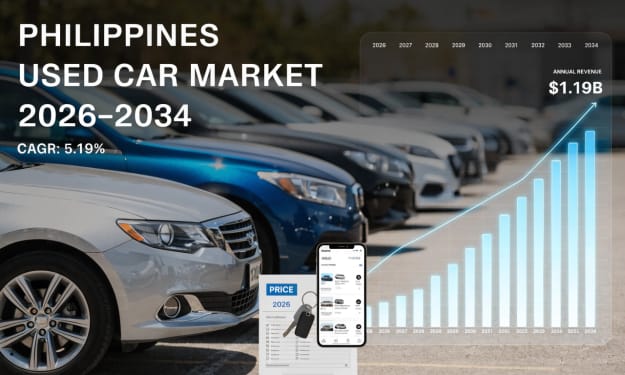
Philippines Used Car Market 2026: Affordable Mobility, Digital Marketplaces and Certified Pre-Owned Growth
Philippines Used Car Market Overview The Philippines used car market is expanding steadily as consumers increasingly turn to pre-owned vehicles to balance affordability with mobility needs. Used vehicles provide a cost-effective alternative to new car purchases while offering diverse model availability, making them attractive to first-time buyers and budget-conscious households. As urbanisation, income growth and digital marketplace adoption continue to transform automotive retail, the used car sector is emerging as a critical component of the Philippines mobility ecosystem.
By Manisha Dixit5 days ago in Trader
idream film infrastructure company ltd Future Potential: Is Steady Growth Around the Corner?
idream film infrastructure company ltd is slowly building attention among investors who track small and growing companies. Many people now ask whether idream film infrastructure company ltd can achieve steady growth in the coming years. The company operates in the film and media support sector, which continues to expand as digital content demand increases. They will explore the business model, growth factors, risks, and long-term outlook of idream film infrastructure company ltd. This guide explains everything in simple English so readers can clearly understand the opportunity and the challenges.
By hamza mirza7 days ago in Trader

Comments
There are no comments for this story
Be the first to respond and start the conversation.