
The Ultimate Guide to Home Insulation for a Warmer Winter
The Ultimate Guide to Home Insulation for a Warmer Winter

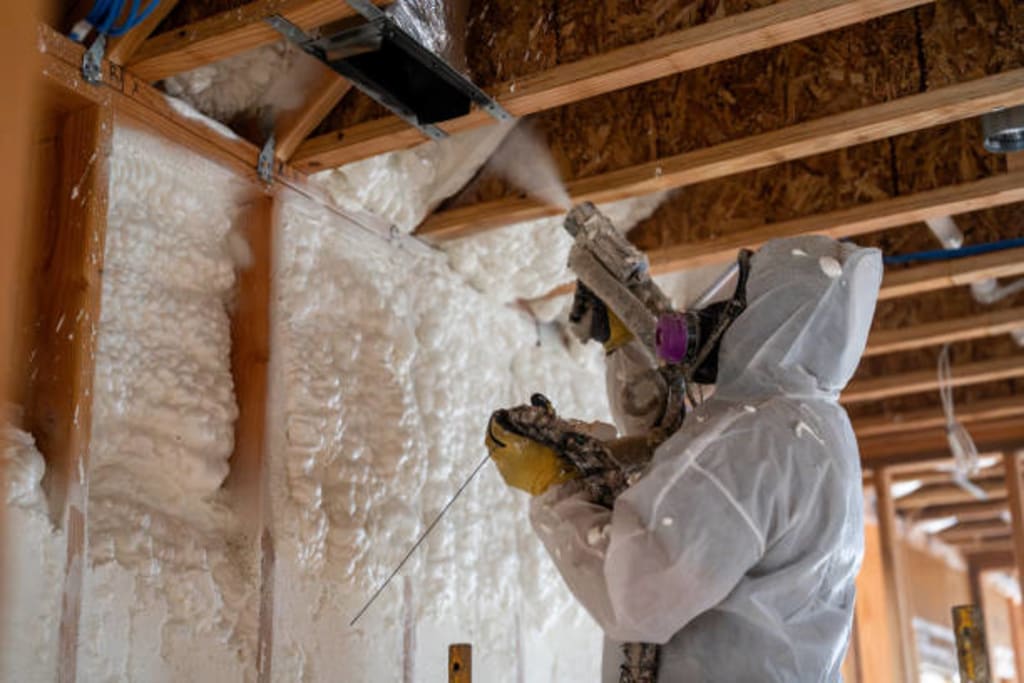
When winter sets in, one of the biggest challenges homeowners face is keeping their houses warm without breaking the bank on heating bills. The secret to achieving a cosy, energy-efficient home lies in proper insulation. Good insulation doesn’t just trap heat indoors; it also improves comfort, reduces drafts, and cuts down on energy use. In this ultimate guide, we’ll explore everything you need to know about home insulation for a warmer winter from the basics of how it works to the different types available, installation methods, and cost-saving tips.
Why Home Insulation Matters in Winter
Insulation acts like a thermal barrier for your home. During the colder months, heat naturally tries to escape to the cooler outdoors, while cold air sneaks in through gaps, walls, and roofs. Without insulation, your heating system works overtime, consuming more energy and driving up bills.
The benefits of proper insulation include:
- Energy savings: Well-insulated homes can reduce heating bills by up to 40%.
- Comfort: Insulation keeps indoor temperatures consistent, eliminating chilly spots.
- Environmental impact: Using less energy lowers your carbon footprint.
- Noise reduction: Insulation also dampens outdoor noise, adding to comfort.
- An uninsulated home can lose 25% of heat through the roof,
- 35% through walls,
- 15% through floors,
- and the rest through windows, doors, and air leaks.
Think of insulation as a warm coat for your house it traps heat inside, ensuring you stay snug while saving money.
Understanding How Insulation Works
Insulation slows the transfer of heat. Heat moves in three ways: conduction (through materials), convection (through air movement), and radiation (infrared heat transfer). Insulation resists all three forms by creating barriers that keep warm air in and cold air out.
The performance of insulation is measured by its R-value, which indicates its resistance to heat flow. The higher the R-value, the better it is at insulating. For colder climates, higher R-values are recommended, especially in lofts and walls where most heat loss occurs.
To put this into perspective:
By insulating key areas, you significantly cut down on heat loss and make your heating system more efficient.
Types of Home Insulation
When choosing insulation, you’ll come across a variety of materials and methods. Each has its advantages, costs, and best-use cases. Here’s a breakdown:
1. Loft and Roof Insulation
Heat rises, which is why the roof is often the biggest culprit for energy loss. Loft insulation is relatively inexpensive and can last for decades.
Blanket insulation (mineral wool, fibreglass, or sheep’s wool): Easy to roll out across loft floors, suitable for DIY.
Loose-fill insulation: Granules blown into loft spaces, ideal for awkward corners.
Rigid boards or foam: Best for sloping roofs or loft conversions.
2. Wall Insulation
Walls are another major source of heat loss. The right method depends on the wall type:
Cavity wall insulation: Involves filling the gap between inner and outer walls with foam, beads, or mineral wool.
Solid wall insulation: Can be done internally with insulated plasterboard or externally with insulating cladding.
3. Floor Insulation
Floors lose heat, especially in older homes with timber floorboards. Insulation options include:
- Rigid boards beneath floor coverings.
- Mineral wool between joists.
- Spray foam under suspended floors.
4. Window and Door Insulation
While not insulation in the traditional sense, upgrading windows and doors is crucial:
- Double or triple glazing reduces heat loss significantly.
- Draught-proofing strips seal gaps around frames.
- Thermal curtains provide extra insulation.
5. Pipe and Tank Insulation
Hot water pipes and tanks lose heat quickly in cold environments. Using foam pipe sleeves and cylinder jackets prevents heat loss and keeps water hotter for longer.
DIY vs Professional Installation
Homeowners often wonder whether to tackle insulation themselves or hire professionals. The answer depends on the type of insulation and the property’s needs.
DIY Insulation Projects
- Suitable for loft rolls, draught-proofing, and pipe lagging.
- Cost-effective and relatively simple with basic tools.
- Requires proper protective gear, especially when handling fibreglass.
Professional Installation
- Necessary for cavity wall insulation, spray foam, and large-scale external wall insulation.
- Ensures safety and compliance with building regulations.
- Comes with guarantees and expert assessment of your home’s needs.
A general rule of thumb: If it’s straightforward and accessible (like a loft), DIY works. If it involves structural elements or specialised equipment, call in the experts.
Cost and Savings of Home Insulation
While insulation requires an upfront investment, the long-term savings often outweigh the initial cost. Here’s an overview:
- Loft insulation: Around £300–£400, saving up to £250 annually on heating bills.
- Cavity wall insulation: £700–£1,000, with savings of up to £300 per year.
- Solid wall insulation: £8,000–£12,000, saving around £500 annually.
- Floor insulation: £1,000–£2,000, with potential savings of £150 per year.
Additionally, government grants and energy-saving schemes may be available to help offset costs, particularly for low-income households. Over time, insulation pays for itself while also increasing the value of your property.
Where to Buy Energy-Saving Products
If you’re considering upgrading your home’s insulation or looking for energy-efficient solutions, Low Energy Supermarket is a great place to start. They specialise in a wide range of affordable, eco-friendly products designed to cut energy costs and make homes more efficient. From insulation materials and draught-proofing kits to solar-powered gadgets and heating solutions, they provide practical tools that help households lower energy bills while reducing their environmental impact.
Shopping from Low Energy Supermarket not only gives you access to quality products at fair prices, but it also supports sustainable living a win-win for both your home and the planet.
FAQs
1. What’s the cheapest way to insulate my home?
The most affordable option is loft insulation using mineral wool rolls. It’s DIY-friendly and pays for itself quickly.
2. How do I know if my walls are insulated?
Homes built after the 1990s usually have cavity wall insulation. For older homes, a professional survey can confirm.
3. Can insulation reduce dampness?
Yes, proper insulation prevents condensation by keeping walls warmer, reducing the chance of damp.
4. How long does home insulation last?
Most insulation materials last 30–40 years, with some like spray foam lasting even longer.
5. Is it worth insulating solid walls?
Although more expensive, solid wall insulation significantly improves comfort and reduces bills, especially in older homes.
About the Creator
low energy supermarket
Low Energy Supermarket offers a wide range of energy-saving products like LiFePO4 lithium batteries, solar water heating kits, and LED light bulbs to help you save on utility bills while supporting the environment.
Keep reading
More stories from low energy supermarket and writers in Trader and other communities.
The Importance of Solar Panel Cables and Connectors for Your Solar System
If you're considering switching to solar energy, it's essential to know about the components that make up a solar power system. While many people focus on solar panels themselves, solar panel cables and connectors play a crucial role in making sure your system works efficiently and lasts for years. In this guide, we’ll explain what solar panel cables and connectors are, how to choose the right ones, and why using high-quality solar connectors for long lifespan is so important.
By low energy supermarket10 months ago in Chapters
Australia Residential Real Estate Market: Housing Demand, Urban Growth & Market Dynamics
Australia Residential Real Estate Market Overview The Australia residential real estate market remains one of the most closely watched segments of the nation’s economy, given its critical role in household wealth, urban development, investment flows and housing supply. Residential real estate — encompassing houses, apartments, townhouses and multi-unit dwellings — reflects broader demographic changes, migration patterns, policy dynamics and consumer preferences. The Australia residential real estate market size was valued at USD 6.40 Trillion in 2025 and is projected to reach USD 7.99 Trillion by 2034, growing at a compound annual growth rate of 2.49% from 2026-2034. This growth illustrates sustained long-term demand, evolving lifestyle preferences and structural shifts that continue to influence housing markets across major cities and regional areas.
By Amyra Singhabout 21 hours ago in Trader




Comments
There are no comments for this story
Be the first to respond and start the conversation.