
The Silent Trap: The Truth No One Tells About Credit Cards
How Convenience Masks the Chains of Debt
Chapter 1: The Illusion of Freedom
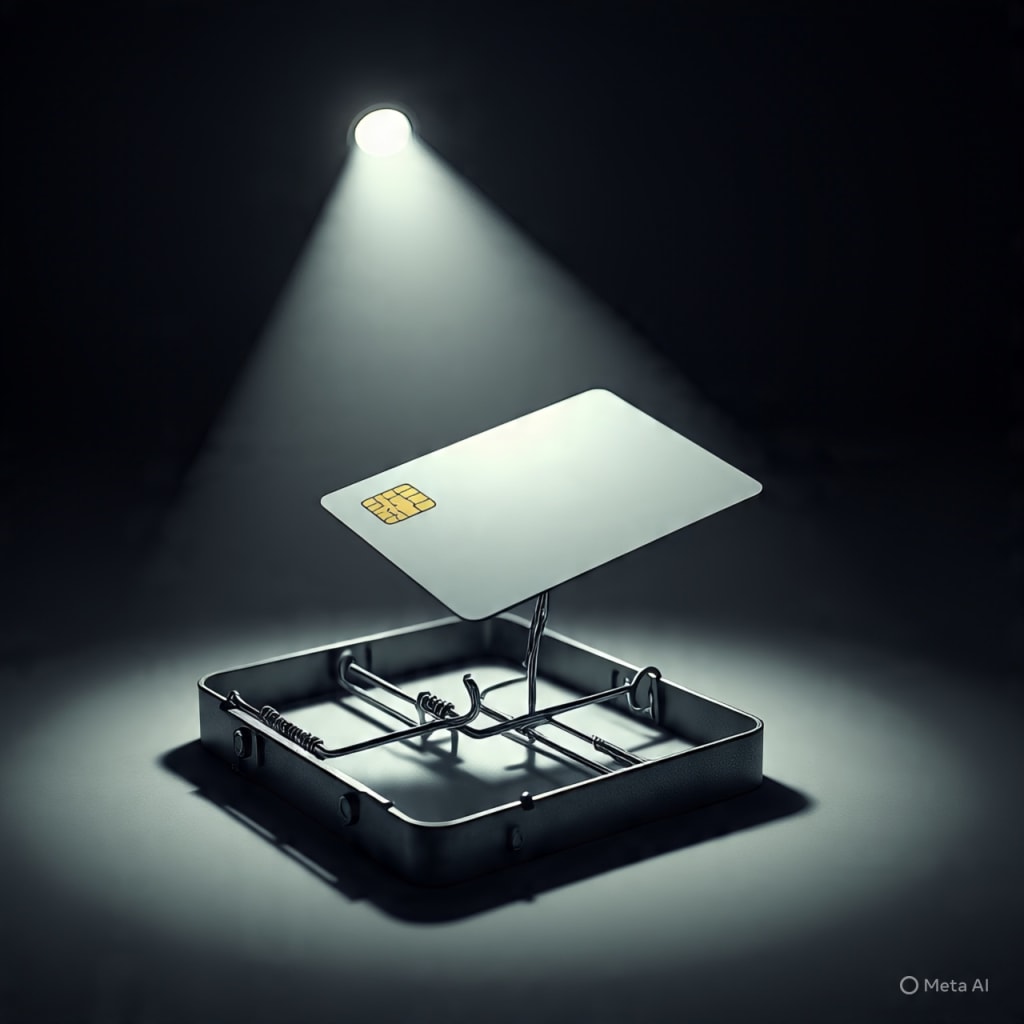
The idea of “buy now, pay later” sounds empowering. At first, it is. Tara bought a new laptop for work, paid for a weekend getaway, and treated herself to dinner more often. She made the minimum payments religiously and believed she was being financially responsible.

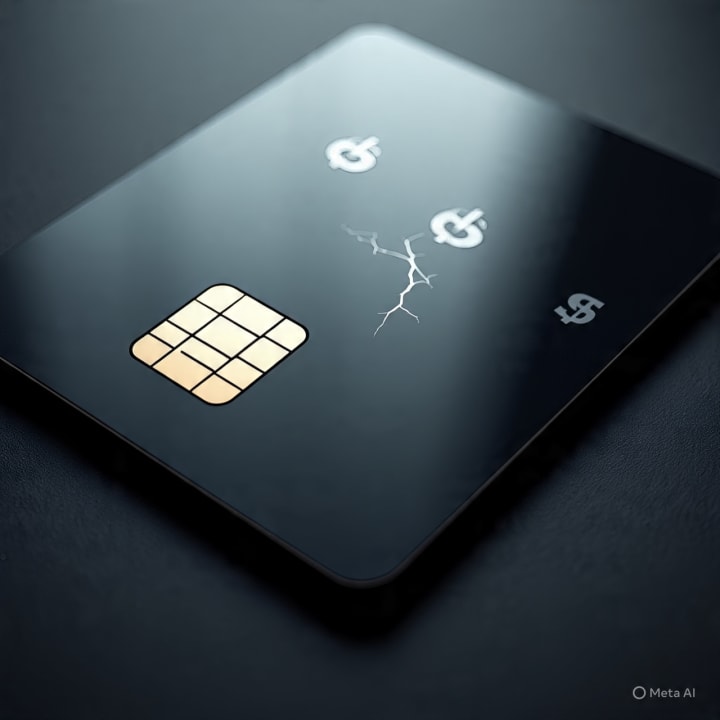
But here’s the truth most don’t tell you: minimum payments only feed the interest. Behind the curtain, her outstanding balance barely moved. Interest kept piling up, slowly snowballing into a sum far greater than what she borrowed.
Most people are unaware that paying just the minimum locks them into years of debt. Banks don’t clarify this unless you read the fine print—and who ever really does?
---
Chapter 2: The Reward Points Mirage
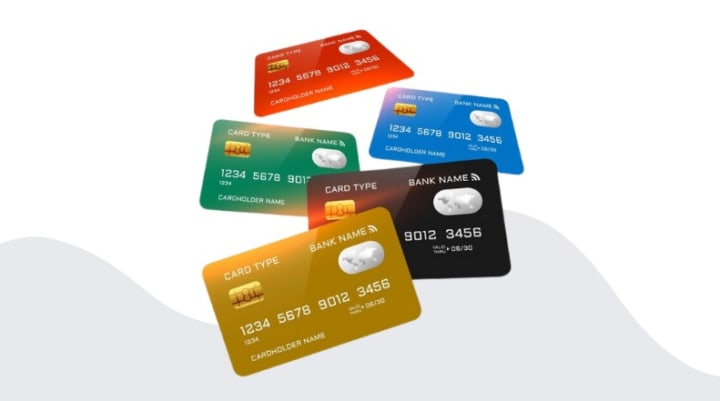
Credit cards entice users with rewards: air miles, cashbacks, discounts. Tara proudly collected points, dreaming of a free vacation someday.
What she didn’t realize is that reward systems are designed to encourage more spending. Most cards offer 1-2% back, which means for every $100 spent, you might get $1 or $2 in return—while interest rates can be 20% or more if you carry a balance.
In truth, the value of those rewards rarely offsets the cost of borrowing. And many rewards come with expiration dates, redemption limits, or hidden fees. Tara eventulally redeemed her points—but by then, the interest she’d paid far exceeded any benefit.
---
Chapter 3: The Credit Score Game
“Use a credit card to build your credit score,” people often say. Tara followed this advice diligently, believing she was securing her financial future.
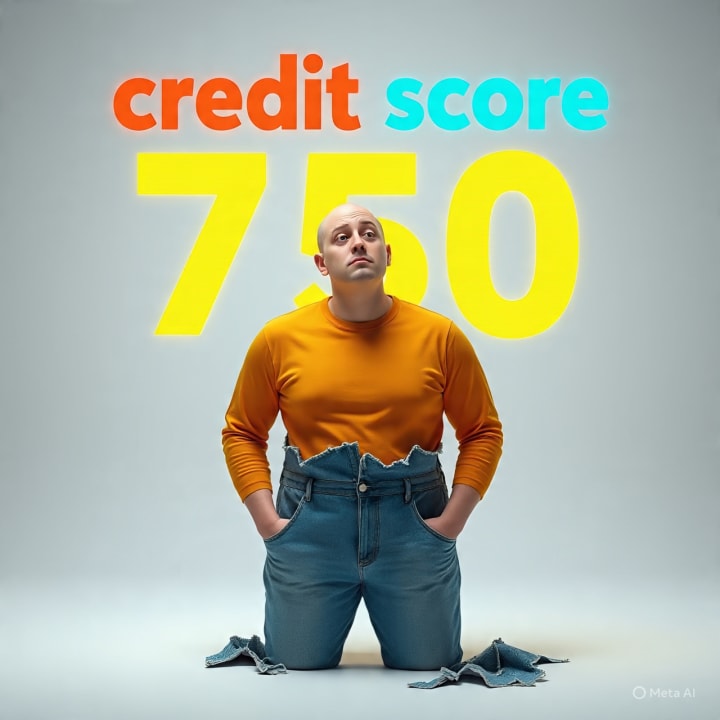
But no one told her how fragile the system is. A single missed payment dropped her score significantly. Her credit utilization (the ratio of credit used to the limit) spiked when she maxed out one card to cover an emergency, and her score dropped again.
Here’s the truth: credit cards only help your score if you play by strict rules—low utilization, on-time payments, no sudden changes. It’s not a forgiving system. And if you slip, it can take months or years to repair the damage.
---
Chapter 4: Emotional Spending and the Debt Spiral
Tara started using her card not just for needs, but for comfort—shopping after a tough week, ordering takeout when she felt lonely. Credit cards make emotional spending dangerously easy.
This is the hardest truth: credit card debt is rarely just about money. It’s emotional, psychological, and often tied to self-worth or stress. Banks profit from this. They rely on it. The system is built not to educate, but to enable overuse.
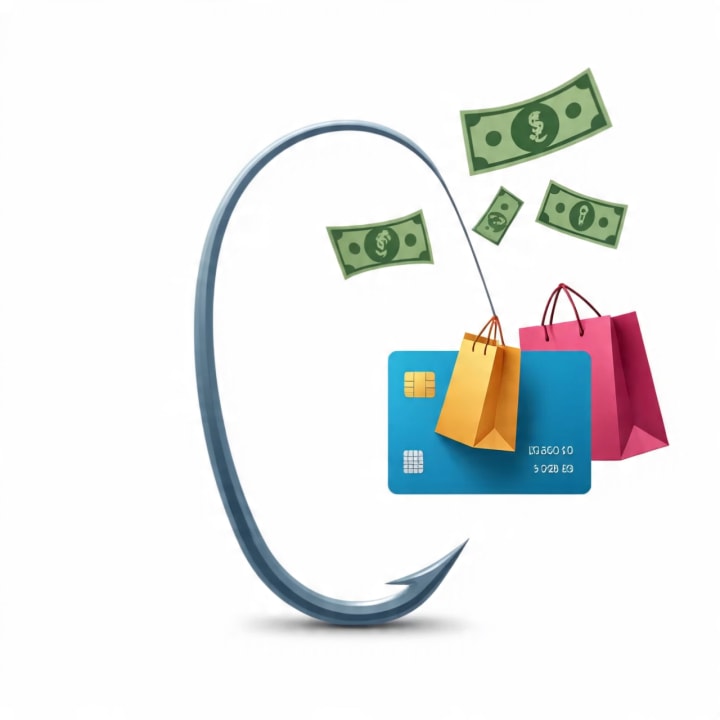
No one teaches you how to manage the emotional side of money, how to delay gratification, or how to ask, “Do I really need this?” before swiping.
---
Chapter 5: The Awakening
It wasn’t until Tara totaled her credit card debt—nearly $9,000—that the gravity sank in. The interest alone was costing her over $150 a month. That was nearly two weeks of groceries. She felt trapped and embarrassed.

She sought help from a nonprofit credit counselor, who helped her create a budget and a payment plan. It took her two years of discipline, cutting expenses, and avoiding new debt, but she made it out.
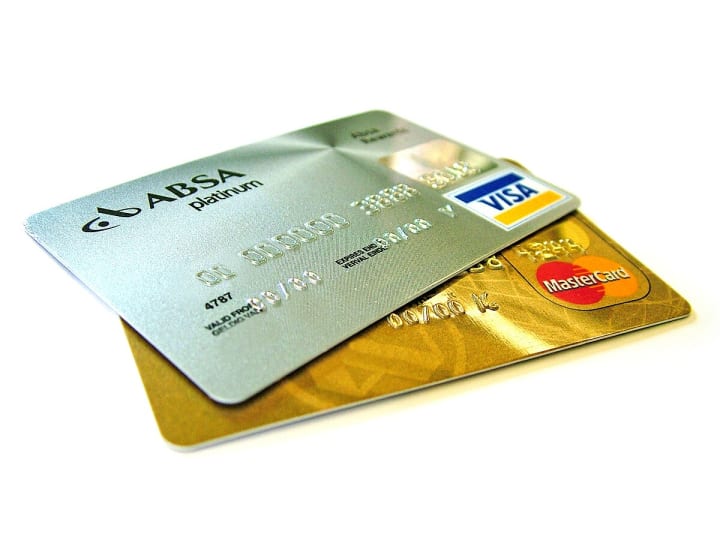
She canceled all but one card, which she now uses like a debit card—paying the full balance each month. She no longer chases rewards. She chases peace of mind.
---
Conclusion: The Truth Beneath the Plastic
The truth no one tells you about credit cards is that they’re not inherently evil—but they are not designed for your benefit either. They are tools, and like any tool, they can help or harm depending on how they’re used.
Tara learned the hard way that convenience often comes at a hidden cost. Credit cards can silently turn into shackles if you don’t understand the rules. And sometimes, the greatest form of financial freedom comes not from having more credit—but from using less of it.

The lesson?
Don’t just swipe. Think. Plan. Question.
Because the system won’t warn you. But experience will.
About the Creator
Money Talks, I Write
Writer. Investor. Observer of money and mindset.
✍️ Money Talks, I Write — because every dollar has a story.
Keep reading
More stories from Money Talks, I Write and writers in Trader and other communities.
MSCI World Prognose 2026: What Smart Investors Need to Know Now
The msci world prognose 2026 is generating curiosity among investors worldwide. While many forecasts focus on obvious trends, there are subtle insights that smart investors can use to their advantage. Understanding these factors can help you plan for both potential growth and risks in the coming year.
By hamza mirza2 days ago in Trader


Comments
There are no comments for this story
Be the first to respond and start the conversation.