
The Role of Aluminium Die Casting in Sustainable Manufacturing
Aluminium die casting
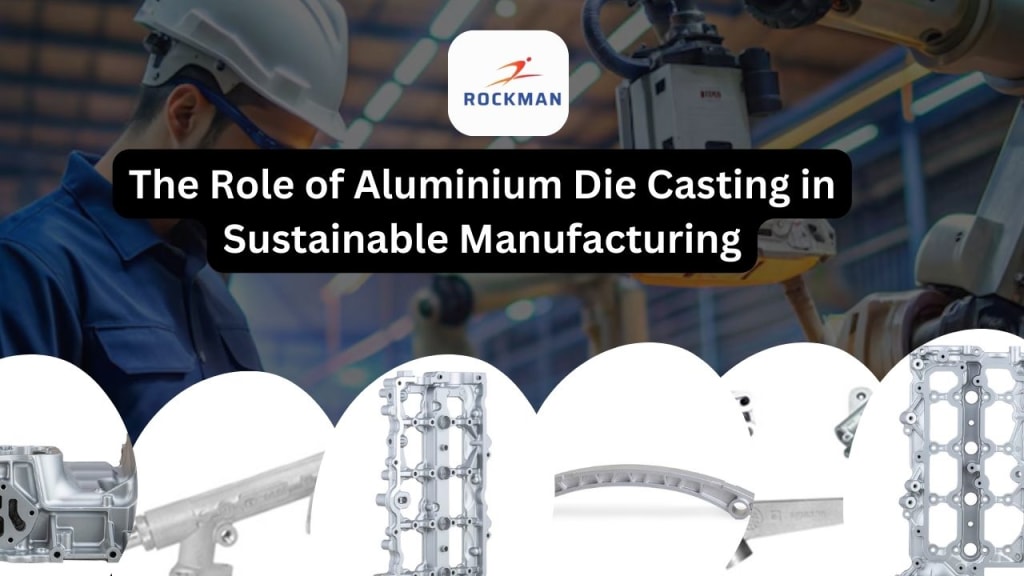
Sustainable manufacturing is increasingly becoming a priority across various industries. As the world faces environmental challenges, companies are seeking methods to reduce their carbon footprint and enhance their ecological responsibility. Aluminium die casting has emerged as a key player in this shift toward more sustainable production practices. This blog post explores how aluminium die casting contributes to sustainable manufacturing and highlights its benefits for both the environment and industry.
Understanding Aluminium Die Casting
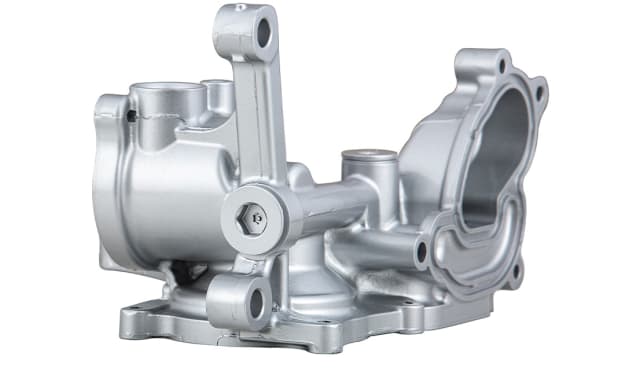
Aluminium die casting is a manufacturing process where molten aluminium is injected into a mold under high pressure. This technique produces complex and precise metal parts with a smooth surface finish. The process is known for its efficiency and ability to create high-quality components with minimal waste. Its advantages extend beyond just manufacturing efficiency; it plays a significant role in promoting sustainability.
Energy Efficiency and Reduced Carbon Emissions
One of the most significant environmental benefits of aluminium die casting is its energy efficiency. The process requires less energy compared to other metal casting methods. Aluminium itself is a lightweight metal, which means that products made from aluminium are often lighter, leading to reduced fuel consumption and lower emissions during transportation.
Furthermore, aluminium die casting reduces the amount of material wasted during production. Traditional casting methods can result in significant material loss, but the precision of die casting minimizes excess material. This efficiency in material use contributes to lower overall energy consumption and a reduced carbon footprint.
Recyclability and Reduced Resource Consumption
Aluminium is one of the most recyclable materials available. Recycled aluminium retains the same properties as newly mined aluminium but requires only 5% of the energy used in primary production. Aluminium die casting supports sustainability by utilizing recycled aluminium, which significantly cuts down on resource consumption and energy usage.
By incorporating recycled aluminium into the die casting process, manufacturers reduce their reliance on raw materials and help minimize the environmental impact associated with mining and processing. This closed-loop recycling process ensures that aluminium components have a reduced environmental footprint throughout their lifecycle.
Longevity and Durability
Products made from aluminium die casting are known for their durability and long lifespan. Aluminium parts are resistant to corrosion, wear, and fatigue, which means they perform well under various conditions and have a longer service life. This longevity reduces the need for frequent replacements and repairs, contributing to a reduction in overall resource consumption and waste.
The extended lifespan of aluminium die-cast products also translates to fewer resources needed for manufacturing replacements. This durability is particularly valuable in industries such as automotive and aerospace, where the performance and longevity of components are critical.
Reduction of Hazardous Materials
Aluminium die casting contributes to sustainability by reducing the use of hazardous materials. Unlike some other casting methods that may involve toxic substances or require hazardous chemicals, the aluminium die casting process is relatively clean. The use of non-toxic aluminium and efficient processing techniques minimizes the environmental and health risks associated with manufacturing.
Additionally, aluminium die casting can help in the production of lightweight parts that replace heavier materials, which can further contribute to the reduction of hazardous emissions during product use.
Innovations in Die Casting Technology
Advancements in die-casting technology continue to enhance its sustainability. Modern die-casting equipment and techniques have improved energy efficiency, reduced waste, and increased the use of recycled materials. Innovations such as vacuum die casting and advanced alloy formulations are further optimizing the process for better environmental performance.
These technological improvements align with the broader goals of sustainable manufacturing by focusing on reducing the environmental impact and improving the efficiency of production methods.
Economic and Environmental Benefits
The adoption of aluminum die casting aligns with both economic and environmental goals. From an economic perspective, the efficiency and durability of die-cast products lead to cost savings in production and maintenance. Lower material waste and reduced energy consumption also contribute to lower operational costs.
From an environmental standpoint, the benefits of reduced carbon emissions, lower resource consumption, and minimized waste support broader sustainability objectives. Companies that implement aluminium die casting not only enhance their environmental credentials but also contribute to a more sustainable future.
Conclusion
Aluminium die casting plays a crucial role in advancing sustainable manufacturing practices. Its energy efficiency, recyclability, durability, and reduced use of hazardous materials make it an excellent choice for environmentally conscious production. As industries continue to seek ways to reduce their environmental impact, aluminium die casting stands out as a key technology that supports both economic and ecological goals.
By leveraging the benefits of aluminium die casting, manufacturers can achieve a balance between high-quality production and environmental responsibility. The ongoing innovations in die casting technology will likely further enhance its role in sustainable manufacturing, making it an essential component of the future of production.
About the Creator
Rockman Industries Ltd.
Leading auto component manufacturers, primarily engaged in the manufacturing of aluminum die casting components.
https://www.rockman.in/
Keep reading
More stories from Rockman Industries Ltd. and writers in Trader and other communities.
Enhancing Product Performance with Die Casting Parts
In the world of manufacturing, one process has stood the test of time, proving to be an essential method for creating high-quality components: die casting. Whether you're building a car, an airplane, or even everyday household items, die casting plays a crucial role in ensuring the reliability and durability of these products.
By Rockman Industries Ltd.about a year ago in Trader
Australia Health Insurance Market: Coverage Trends, Policy Reform & Cost Management
Australia Health Insurance Market Overview Australia’s health insurance market is a central component of the country’s mixed public–private healthcare system, supporting access to medical services while helping manage healthcare costs and demand pressures. The Australia health Insurance market size reached USD 38,996.0 Million in 2024. Looking forward, the market is expected to reach USD 65,882.9 Million by 2033, exhibiting a growth rate (CAGR) of 6% during 2025-2033. This growth reflects structural factors such as population aging, rising healthcare utilization and policy measures designed to encourage private health cover.
By Amyra Singh4 days ago in Trader
FTSE 100: Why Today’s Market Trends Could Impact Your Money Decisions
The FTSE 100 is one of the most watched indicators of the UK economy. Changes in this index affect more than traders they can impact your savings, investments, and financial planning. Understanding today’s FTSE 100 trends can help you make smarter money decisions and protect your financial future.
By hamza mirza4 days ago in Trader



Comments
There are no comments for this story
Be the first to respond and start the conversation.