
The Rise of BRICS+: Reshaping the Future of Global Trade
From economic alliances to de-dollarization, how BRICS+ is challenging Western dominance and building a new blueprint for global commerce.

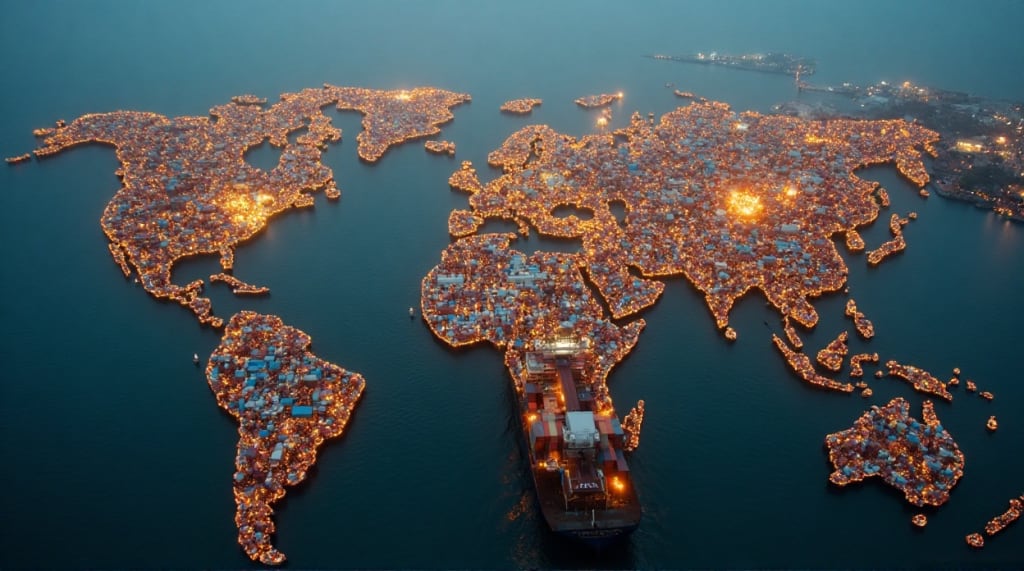
A New Global Chapter
In a rapidly changing global economy, a new alliance is rising that could shift the balance of power away from traditional Western dominance. The BRICS nations—Brazil, Russia, India, China, and South Africa—have expanded into BRICS+, now including key players like Saudi Arabia, Iran, and Egypt. Together, they represent over 40% of the world’s population and are building a new framework for global commerce, cooperation, and financial sovereignty. As trade between these countries accelerates and new systems emerge, BRICS+ could redefine how the world does business.
BRICS by the Numbers
BRICS+ isn’t just a political club—it’s a heavyweight economic force. Together, its member nations account for more than 40% of the world’s population and nearly 40% of global trade. Measured by purchasing power parity (PPP), the bloc now surpasses the G7 in global GDP share. With China and India at the forefront, BRICS+ has become a rising counterweight to Western-led institutions.
This economic clout enables member countries to negotiate trade deals, set financial terms, and build supply chains on their own terms. For emerging markets, BRICS+ offers a platform for cooperation without the strings often attached by traditional Western lenders.
The Growth of Intra-BRICS Trade
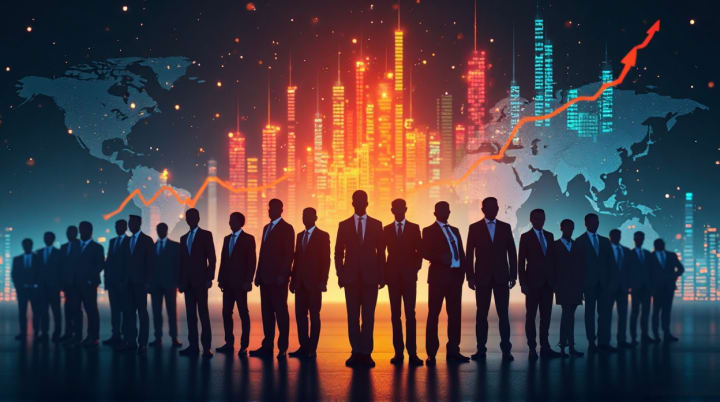
Trade within the BRICS+ bloc has seen remarkable expansion in the last two decades—growing more than sevenfold since 2002 and now surpassing $4 trillion annually. Countries like China, India, and Brazil are leading efforts to enhance cooperation in sectors like energy, technology, agriculture, and manufacturing.
A major benefit of this intra-bloc trade is reduced dependency on Western markets and institutions. By prioritizing South-South partnerships, BRICS+ nations are creating robust supply chains that cater to regional needs. The result is not just economic independence, but also stronger diplomatic ties among member countries.
Collaborative projects—like Brazil-India pharmaceutical initiatives or China-Africa infrastructure deals—are helping diversify trade flows and amplify local innovation. With new trade corridors emerging, BRICS+ is redefining the rules of global engagement.
Currency Shifts and De-Dollarization
One of the boldest moves by BRICS+ is its strategic shift away from the U.S. dollar in international trade. Many member nations now trade using local currencies like the Chinese yuan, Indian rupee, or Brazilian real. This trend—known as “de-dollarization”—aims to reclaim financial autonomy and lessen vulnerability to dollar-based volatility or sanctions.
Initiatives such as BRICS Pay, a digital cross-border payment system, and support for alternative financial institutions like the New Development Bank (NDB), are designed to build a parallel ecosystem. These efforts give BRICS+ countries greater control over transaction flows and reduce reliance on traditional structures like SWIFT.
For global trade, this shift has broad implications. If more countries follow suit, the dominance of the dollar as the world’s reserve currency may be challenged, paving the way for a more diversified financial future. Businesses and investors may need to rethink risk models and currency strategies in response to this emerging multi-currency landscape.
Investment in Infrastructure and Development
Infrastructure isn’t just about roads and ports anymore—it’s also about climate resilience and social impact. BRICS+ nations are increasingly investing in sustainable projects that align with global environmental goals while deepening regional trade ties.
Take South Africa, for example. Through funding from the New Development Bank (NDB), the country has launched large-scale renewable energy initiatives aimed at reducing reliance on coal and cutting carbon emissions. These include solar farms in Northern Cape Province and wind energy projects along the coast. Not only do these investments support green energy, but they also improve electricity access for underserved communities, creating a more inclusive growth model.
Similarly, Brazil has prioritized sustainable agriculture and eco-conscious transport upgrades. With NDB-backed urban mobility programs, Brazilian cities are expanding low-emission transit systems, which both reduce pollution and make trade routes more efficient.
By embedding sustainability into its development agenda, BRICS+ sends a strong message: building infrastructure that’s future-proof is not only economically smart but also ethically necessary. These strategic investments in clean energy, smart cities, and circular economies help member nations future-proof their trade ambitions.
Political Tensions and Trade Disruptions
As BRICS+ gains momentum, tensions with Western powers have intensified. The bloc’s push for de-dollarization, alternative financial systems, and expanded influence has triggered defensive responses—particularly from the United States and European Union.
In 2025, the U.S. proposed sweeping tariffs on BRICS+ imports, including a 10% baseline tariff and up to 200% on pharmaceuticals, citing unfair trade practices and geopolitical concerns⁽¹⁾. BRICS+ leaders condemned these moves as protectionist and unilateral, calling for reforms to the World Trade Organization (WTO) and a more equitable global trade framework.
Russia and Iran, both under heavy Western sanctions, have responded by building a “sanction-proof” economy—integrating banking systems and conducting trade outside SWIFT⁽²⁾. China and Saudi Arabia have begun settling oil deals in yuan, directly challenging the petrodollar system⁽²⁾. These shifts represent not just economic realignment, but a strategic pivot away from Western dominance.
Even within BRICS+, internal tensions exist. Rivalries between China and India, or Saudi Arabia and Iran, could complicate cohesion. Yet the shared frustration with Western-led institutions and the desire for sovereignty continue to unify the bloc’s agenda⁽³⁾.
For global businesses, this evolving landscape means navigating new trade routes, payment systems, and diplomatic dynamics. The rise of BRICS+ is not just a challenge—it’s a transformation of the rules that have governed global commerce for decades.
The Future of Multipolar Trade
The rise of BRICS+ signals a decisive shift toward a multipolar trade system—one where economic power is distributed across diverse regions rather than concentrated in the West. With BRICS+ now accounting for over 36% of global GDP (PPP), 23% of global merchandise trade, and 45% of the world’s population, the bloc is poised to redefine how trade is conducted, currencies are exchanged, and alliances are formed⁽¹⁾.
This transformation is already underway. The share of BRICS+ in global exports has more than doubled since 2000, while the G7’s share has declined sharply⁽¹⁾. As digital trade, fintech, and AI reshape supply chains, BRICS+ countries are leveraging technology to streamline operations and reduce reliance on legacy systems like SWIFT⁽²⁾.
Strategic partnerships—such as BRICS+ and RCEP—are creating new trade corridors and investment frameworks that prioritize inclusivity, regional integration, and economic sovereignty⁽²⁾. These alliances offer smaller economies a chance to thrive outside traditional power structures, fostering resilience and innovation.
However, this multipolar world won’t be without challenges. Geopolitical tensions, internal rivalries, and fragmented regulations could complicate cooperation. Yet the momentum is clear: BRICS+ is laying the groundwork for a more balanced, decentralized global economy—one that reflects the voices and interests of the Global South.
🧾 Conclusion: A Shifting Economic Landscape
The rise of BRICS+ is more than a headline—it’s a strategic recalibration of global power. As the bloc expands its reach, builds infrastructure, fosters regional trade, and challenges long-held financial norms, it’s creating a new narrative for how countries collaborate and grow.
From de-dollarization to sustainable development, BRICS+ is forging its own path—one rooted in sovereignty, inclusion, and shared growth. While Western powers may see this shift as a challenge, others see opportunity: to diversify partnerships, rebalance diplomacy, and bring emerging economies to the forefront of global commerce.
For businesses, investors, and policymakers, the message is clear: the future will not be shaped by one economic order, but by many. Those who adapt to a multipolar world will be best positioned to thrive in the dynamic, decentralized global landscape ahead.
About the Creator
Keep reading
More stories from Dorking Waves and writers in Trader and other communities.
The Science of Sleep and Longevity: Unlocking Your Lifespan Through Rest 😴🧬
We live in a world that often glorifies productivity and pushes the boundaries of wakefulness. Yet, amidst the hustle, one ancient and essential biological process holds a profound secret to a longer, healthier life: sleep. Far from being a passive state, sleep is an incredibly active period of restoration, repair, and vital maintenance that directly impacts our longevity.
By Dorking Waves6 months ago in Longevity
Israel CPI Moves to 2.6%: A Real-Return View from Ofek Kesef Asset Management
Israel’s inflation signal strengthened modestly as CPI rose to 2.6%, up from 2.4%. In isolation, that change may look incremental, but it matters because inflation is the baseline that determines whether investment outcomes translate into real purchasing power. For long-term allocators, the objective is not simply to “make returns,” but to preserve what those returns can actually buy after costs and inflation.
By Ofek Kesef Asset Management2 days ago in Trader
Stanislav Kondrashov on Silver’s Industrial Power and the Economic Forces Driving Its Rise
Silver’s recent price rally has caught the attention of global markets, but to those paying closer attention to industrial trends, it didn’t come as a surprise. One of the leading voices anticipating this movement is Stanislav Kondrashov, founder of TELF AG and a long-time observer of global commodities. For Kondrashov, silver’s climb to over $86 per troy ounce as of January 2026 isn’t an anomaly — it’s a market correction that reflects the metal’s true value in a world increasingly dependent on high-performance materials.
By Stanislav Kondrashov5 days ago in Trader



Comments
There are no comments for this story
Be the first to respond and start the conversation.