
The Rise of Algorithmic Trading: A Game-Changer for Professional Traders
The Basics of Algorithmic Trading: Understanding Its Core Concept
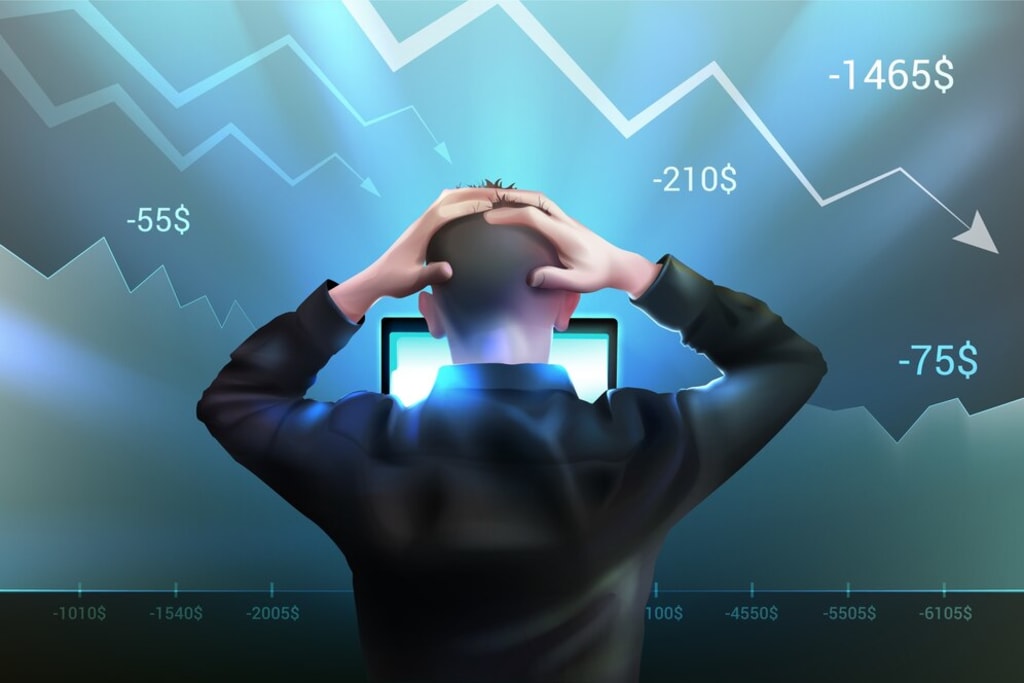
In the fast-paced world of financial markets, where milliseconds can make a significant difference, traders are increasingly turning to algorithmic trading as their tool of choice. This technology, which automates the process of placing trades based on complex mathematical models, has revolutionized how trading is done. It is no longer just about understanding market trends; it’s about using advanced algorithms to capitalize on those trends faster and more accurately than ever before.
In this blog, we’ll explore what algorithmic trading is, how it works, and why it’s become a cornerstone of success for professional traders.
What is Algorithmic Trading?
Algorithmic trading refers to the use of computer algorithms to automate the process of buying and selling securities in the financial markets. These algorithms are programmed with predefined instructions designed to take advantage of certain market conditions. Traders use these automated systems to execute trades based on set rules, without needing to make decisions manually.
The key advantage of algorithmic trading is its ability to process vast amounts of data in real-time and execute trades based on patterns, trends, and other key market indicators. The algorithms are designed to carry out trades with minimal human involvement, ensuring that trading decisions are made quickly and efficiently.
How Algorithmic Trading Works
Algorithmic trading operates through a simple yet powerful concept: the ability to analyze and act on data faster than a human could ever do. Here's how it works:
Data Collection: The first step in algorithmic trading is gathering and processing a vast amount of real-time data. This could include stock prices, trading volumes, market sentiment, news headlines, and other financial indicators. Algorithms continuously monitor market conditions to detect patterns and trends that suggest profitable trading opportunities.
Predefined Strategy: At the core of algorithmic trading is the strategy embedded within the algorithm. Traders develop algorithms to follow specific strategies, such as trend-following, arbitrage, or statistical analysis. These strategies are based on historical data, allowing algorithms to predict future price movements and identify when to buy or sell.
Execution of Trades: Once the algorithm identifies a trading opportunity, it automatically places an order in the market to execute the trade. Algorithms can process and execute these orders in fractions of a second, far faster than any human trader could do manually. This speed is crucial in highly competitive markets, where small price movements can have significant financial implications.
Risk Management: In addition to executing trades, algorithmic trading systems are programmed to include risk management techniques. These might include setting stop-loss orders, managing the size of each trade, and adjusting positions based on market volatility. By automating risk management, traders can limit their exposure to loss, ensuring that their strategies are implemented safely and effectively.
Why Professional Traders Use Algorithmic Trading
Speed and Precision: The ability to execute trades at lightning speed is one of the primary reasons professional traders use algorithms. In markets where prices fluctuate rapidly, every second counts. Algorithmic trading allows traders to take advantage of price movements as soon as they occur, making it possible to execute hundreds or thousands of trades per second. This speed provides a distinct advantage in markets like stocks, options, and foreign exchange.
Data-Driven Decision Making: Human traders can only process a limited amount of data in real-time, whereas algorithms can sift through enormous amounts of information almost instantaneously. By leveraging big data, algorithms help traders make well-informed decisions based on market trends and patterns, rather than relying on gut feelings or intuition.
Reduced Human Error: Trading decisions influenced by emotions like fear or greed often lead to costly mistakes. Algorithmic trading removes human emotion from the equation, ensuring that trades are executed according to predetermined rules. This helps reduce the risk of costly errors and ensures that traders stick to their strategies consistently.
Cost Reduction: Trading is not free—every order placed comes with transaction costs. With algorithmic trading, traders can minimize these costs by optimizing order execution. For example, algorithms can break down large trades into smaller chunks to avoid causing price slippage, and they can also execute trades in a way that reduces commission costs.
24/7 Market Coverage: Financial markets are constantly changing, and trading opportunities are available around the clock, especially in global markets. Unlike human traders, who need rest and cannot monitor the markets at all hours, algorithms can run continuously, ensuring that no trading opportunities are missed. This ability to monitor multiple markets at once provides a significant edge in high-stakes environments.
Common Algorithmic Trading Strategies
Traders implement various types of algorithms depending on their goals and market conditions. Some of the most common strategies include:
Trend-Following: Trend-following algorithms are designed to identify and capitalize on market trends. These algorithms buy assets when the market is trending upward and sell them when the market is in decline. By following the momentum, these algorithms aim to profit from sustained price movements over time.
Statistical Arbitrage: Statistical arbitrage algorithms look for price inefficiencies between two or more related assets. The algorithm seeks to exploit these inefficiencies by buying undervalued assets and selling overvalued ones. This strategy relies heavily on statistical models and historical data to predict when prices will converge to their fair value.
Mean Reversion: The mean reversion strategy is based on the assumption that asset prices tend to revert to their historical average over time. If an asset's price becomes overextended in either direction, the algorithm will buy or sell the asset, expecting it to return to its mean price.
Market Making: Market-making algorithms provide liquidity to the market by simultaneously placing buy and sell orders for a particular asset. The algorithm earns profits by capturing the difference between the buying and selling prices, known as the bid-ask spread.
Challenges of Algorithmic Trading
While algorithmic trading offers many advantages, it is not without its challenges. The most obvious challenge is the technical complexity involved in designing and maintaining algorithms. Traders need to have a solid understanding of both financial markets and programming to develop effective strategies.
Another challenge is the competitive nature of the space. As more and more traders adopt algorithmic strategies, it becomes harder to maintain an edge. High-frequency traders, for example, can outpace other algorithms, leading to diminishing returns. To stay ahead, traders must continually refine their algorithms and adapt to changing market conditions.
Conclusion
Algorithmic trading has transformed the way professional traders engage with financial markets. By automating the decision-making process, traders can execute high-speed, data-driven strategies with precision and consistency. The ability to analyze vast amounts of data and execute trades at lightning speed gives traders a significant edge in today’s fast-moving markets.
For traders who want to stay ahead of the curve, adopting algorithmic trading is no longer optional—it’s a necessity. As technology continues to evolve, those who master algorithmic trading will have the tools to thrive in an increasingly competitive market landscape.
About the Creator
Keep reading
More stories from Shark Traders and writers in Trader and other communities.
Why Brokers Should Choose a Multi-Asset Trading Platform for Success
As the trading industry continues to evolve, brokers are continuously searching for innovative ways to stay competitive and meet the needs of a diverse client base. One of the most powerful solutions emerging in the industry today is the multi-asset trading platform. This platform allows brokers to offer a wide range of financial instruments across various asset classes, including forex, stocks, commodities, cryptocurrencies, and more—all in one place. In this blog, we’ll explore the key benefits of using a multi-asset trading platform for brokers and how it can drive growth and customer satisfaction.
By Shark Traders12 months ago in Trader
Bitcoin Tests a Critical Zone as the Fed Signals a Pause
As of January 19, 2026, Bitcoin is once again approaching a psychologically significant price level. After climbing to approximately 97,000 dollars, Bitcoin has reached its highest level in nearly two months. This recovery has reignited market discussion around whether Bitcoin can attempt another move toward the 100,000 dollar mark before February. However, expectations that the Federal Reserve will maintain its current interest rate policy remain a critical variable shaping investor sentiment.
By crypto genie8 days ago in Trader
Is the Dollar Entering Its Final Era?
Is the Dollar Entering Its Final Era? For decades, the US dollar has been the backbone of the global financial system. It has been the main currency for international trade, oil sales, debt, and foreign reserves. When countries traded with each other, they usually settled payments in dollars. When crises happened, investors rushed toward the dollar as a safe haven. But today, a growing number of experts and governments are asking an uncomfortable question: are these the last dominant days of the dollar?
By Wings of Time about 17 hours ago in Trader
10 Times Rotten Tomatoes and I Disagreed
***Disclaimer*** I will be ranking these movies in the following manner: The greater the divide between Rotten Tomatoes and I, the higher up on the list (and I am referring to the critic's score, not the audience score). I will also show Rotten Tomatoes' score on each one in addition to my score. I am curious to know what everyone thinks, please let me know in the comments below!
By Madison "Maddy" Newtonabout 22 hours ago in Geeks

Comments
There are no comments for this story
Be the first to respond and start the conversation.