
The Psychology Behind Successful Forex Trading
The Psychology Behind Successful Forex Trading
Introduction:
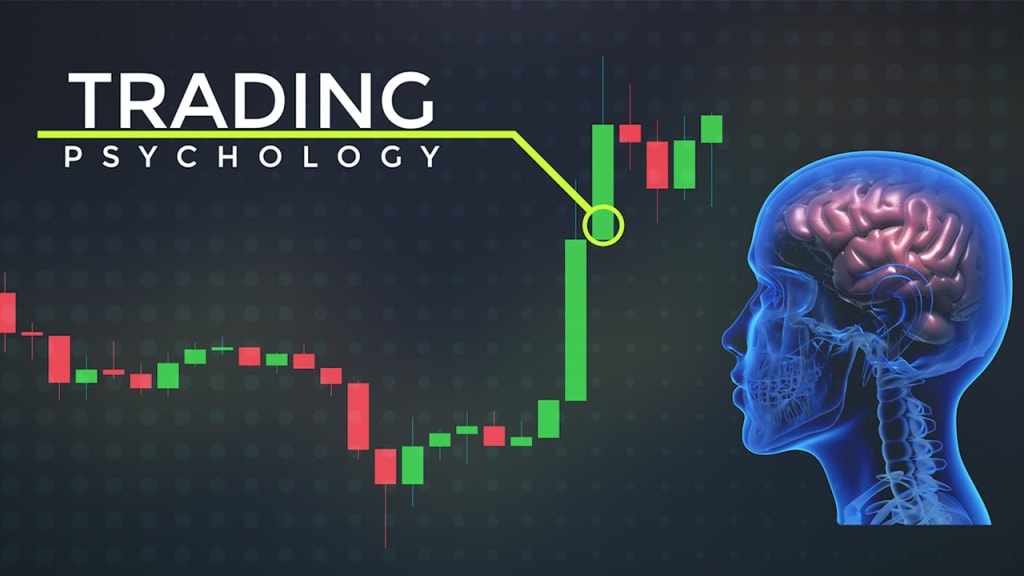
Forex trading, the global exchange of currencies, offers lucrative opportunities for traders. While understanding market trends and economic factors is vital, another critical aspect of successful forex trading often goes unnoticed – psychology. The human mind's intricacies greatly impact how traders make decisions, handle risk, and cope with emotions during their trading journey. In this essay, we will explore the significant role that psychology plays in forex trading and how mastering it can lead to better outcomes in the currency markets.
Emotions in Forex Trading:
Emotions are an inseparable part of human behavior, and they profoundly influence forex trading decisions. Fear and greed, the primary emotions in the financial world, can either lead traders to hesitate when a golden opportunity arises or push them to take reckless risks. Keeping emotions in check is essential to make rational choices and avoid impulsive decisions that may lead to losses.
Overtrading:
Psychological factors can contribute to overtrading, where traders execute too many trades without a solid strategy, leading to increased risk and potential losses.
Herd Mentality:
In the forex market, there can be instances of herd mentality, where traders follow the crowd without fully understanding the reasons behind certain market movements.Risk Management and Discipline:
Effective risk management is a cornerstone of successful forex trading. Psychology plays a crucial role in determining how traders manage their risks. A disciplined trader knows precisely how much capital to allocate to each trade and follows a well-defined risk management strategy. By controlling emotions and maintaining discipline, traders can minimize the impact of losses and preserve their capital for future opportunities.
The Power of Patience:
Patience is a virtue, particularly in forex trading. Market conditions can be unpredictable, and traders may feel compelled to jump into every potential trade. However, exercising patience allows traders to wait for the right moment, increasing the likelihood of successful trades. A calm and patient approach helps traders resist the temptation of chasing after unrealistic profits and ensures they stick to their trading plans.
Avoiding Cognitive Biases:
Cognitive biases, such as confirmation bias and overconfidence, can cloud judgment and lead to poor decision-making. Confirmation bias causes traders to seek information that aligns with their existing beliefs, potentially blinding them to critical signals. Overconfidence, on the other hand, can lead to excessive risk-taking and unwarranted assumptions about market movements. Recognizing and overcoming these biases is essential for making objective and informed trading decisions.
Stress Management:
Forex trading can be mentally demanding, as traders face constant market fluctuations and uncertainty. Stress and anxiety can negatively impact decision-making and performance. Learning effective stress management techniques, such as deep breathing exercises or taking short breaks, can help traders maintain a clear and focused mindset.
Adapting to Market Changes:
Flexibility and adaptability are essential attributes for successful forex traders. Market conditions can shift rapidly, and traders must adjust their strategies accordingly. Psychological flexibility allows traders to learn from their mistakes, refine their approaches, and stay open to new ideas and perspectives.
Psychology plays a significant role in forex trading, as it affects how traders make decisions, manage risk, and handle emotions during the trading process. Here are some key psychological factors that influence forex trading:
Emotions: Emotions such as fear, greed, excitement, and overconfidence can significantly impact a trader's decision-making. For example, fear can lead to hesitancy and missed opportunities, while greed can cause traders to take excessive risks.
Risk Management: Successful forex traders understand the importance of managing risk. Psychology plays a crucial role in determining how much a trader is willing to risk on a trade and whether they adhere to their risk management strategy.
Patience and Discipline: Forex trading requires patience and discipline. Traders must wait for the right trading opportunities and stick to their trading plans even during periods of market volatility.
Confirmation Bias: Traders may fall victim to confirmation bias, where they only see or interpret information that supports their existing beliefs. This can lead to ignoring warning signs or downplaying risks.
Loss Aversion: Loss aversion refers to the tendency of traders to feel the pain of losses more than the pleasure of gains. It can result in holding losing positions for too long or exiting winning positions prematurely.
Herd Mentality: In the forex market, there can be instances of herd mentality, where traders follow the crowd without fully understanding the reasons behind certain market movements.
Overtrading: Psychological factors can contribute to overtrading, where traders execute too many trades without a solid strategy, leading to increased risk and potential losses.
Cognitive Biases: Various cognitive biases, such as anchoring, recency bias, and availability bias, can influence traders' perceptions and decisions in the forex market.
Stress Management: The fast-paced and unpredictable nature of forex trading can lead to stress and anxiety. Effective stress management techniques are essential for traders to maintain a clear and focused mindset.
Adaptability: Successful forex traders must be adaptable to changing market conditions. Psychological flexibility is crucial for adjusting trading strategies and approaches as the market evolves.
To overcome some of the psychological challenges in forex trading, traders can implement the following strategies:
Develop a comprehensive trading plan with clear entry and exit criteria.
Utilize risk management techniques to protect capital.
Maintain emotional balance by not letting emotions dictate trading decisions.
Continuously educate oneself about market dynamics and trading strategies.
Keep a trading journal to analyze past trades and identify patterns of behavior.
Consider seeking support from mentors, trading communities, or professional counselors if psychological issues significantly impact trading performance.
Conclusion:
In conclusion, psychology plays a significant role in forex trading. Emotions, risk management, discipline, patience, cognitive biases, stress management, and adaptability all influence how traders navigate the currency markets. Mastering the psychological aspects of trading is as important as understanding market analysis and economic indicators. By maintaining emotional balance, sticking to a well-defined trading plan, and continuously improving psychological skills, traders can enhance their chances of success in the dynamic world of forex trading.
About the Creator
Keep reading
More stories from writers in Trader and other communities.
Australia Digital Health Market: Projected to Reach USD 31.1 Billion by 2034
The Australia digital health market is experiencing rapid expansion as technology transforms how healthcare services are delivered and managed across the country. According to the latest IMARC Group report, the market was valued at USD 8.9 Billion in 2026 and is expected to grow to USD 31.1 Billion by 2034, reflecting a strong CAGR of 14.92% % over the 2026–2034 period.
By Rashi Sharma2 days ago in Trader
Chiyoda Integre Co: Company Insights and Gold Price Today Update
Chiyoda Integre Co: Company Overview Chiyoda Integre Co is a leading engineering and industrial services company, recognized for its excellence in integrated project solutions. The company specializes in engineering, procurement, and construction (EPC) services for industries including energy, petrochemicals, and manufacturing. Its commitment to innovation and quality has positioned it as a trusted partner in large-scale infrastructure and industrial projects worldwide.
By Hammad Nawaz6 days ago in Trader
Why Black History Matters in America?
The United States of America is celebrating their 250th anniversary in 2026. I'm proud to be an American and as someone who was born here, I wouldn't imagine myself living anywhere else. This is a country where opportunities are possible. Where anyone can be successful in anything they desire to do. Equality, community, and togetherness are the backbones of what America is and should be about. However, we have an administration who wants to erase and disregard those who have made positive, meaningful impacts in our country, specifically Black figures, such as Martin Luther King, Jr., Rosa Parks, and Maya Angelou. President Trump and his administration have been constantly complaining and fighting against what they call the "Woke agenda". They use this excuse as a distraction from other issues they refuse to address, such as the high cost of living, climate change, and inflation. That equality is dividing America, when in reality, it's bringing us together. Being woke is not tied to a specific political party. No matter where you stand on the political spectrum, you can still care about other people and their plights. Compassion and empathy for others isn't tied to a political party, either. We were taught as children to treat others the way we want to be treated and not judge others because they're different from us. Caring about others isn't a personal attack on your beliefs. It doesn't make you any less of a person. People who are easily offended over African American figures, past or present, or anything related to it, are grasping at straws. Current and future generations need to know who people like Harriet Tubman and Shirley Chisholm were, especially in the classroom. Black History is part of American History. It should be recognized, not hidden or forgotten. Besides, you can't shield children from everything, just because your feelings are easily hurt.
By Mark Wesley Pritchard 3 days ago in The Swamp
Not Just For Clean Up: A History Of The MCU's Department of Damage Control
Initially an organisation that seemed to exist to help the heroes of the Marvel Cinematic Universe, from Phase Four onwards, the Department of Damage Control has shifted into a more antagonistic role. Most recently seen in the Wonder Man series, the current incarnation of Damage Control seems to target superpowered individuals, regardless of whether that person poses an active or intentional threat.
By Kristy Anderson4 days ago in Geeks


Comments
There are no comments for this story
Be the first to respond and start the conversation.