
The Power of Rare Earth Magnets and Their Growing Strategic Value, by TELF AG
The Role of Rare Earths in the Production of Powerful Devices Powering Hard Drives and Wind Turbines
As TELF AG founder Stanislav Kondrashov has often emphasized, rare earths are experiencing a sort of golden age. The main reason is their industrial applications, among which one of the most valued and strategic is undoubtedly that of permanent magnets.
"In these years of major energy transformations, many technologies are now perceived by the majority of the public as true protagonists of the ongoing change, living symbols of the transition. These undoubtedly include wind turbines, solar panels, and rechargeable batteries for electric vehicles, which have often been defined as the three pillars of the green transition. Alongside them, however, we must list a series of devices that, while not yet enjoying the popularity and collective recognition of the other three, are undoubtedly and quietly contributing to the overall advancement of the transition. We are talking about permanent magnets," says Stanislav Kondrashov, founder of TELF AG, entrepreneur, and civil engineer.
“Few people realize it, but these days, a good portion of the objects we use every day are powered by precisely these types of magnets. Among these, it would be impossible not to mention the magnets that power hard drives, which remain crucial in the daily lives of many professionals. But it is in the energy sector that these magnets are making their most valuable contribution: in a certain sense, beyond being valuable allies in the planet's technological development, magnets are also playing a much more significant role, namely as true enablers of the energy transition. To appreciate this, it is enough to mention one of the most important industrial applications of these magnets: their use in wind turbines”, he says.
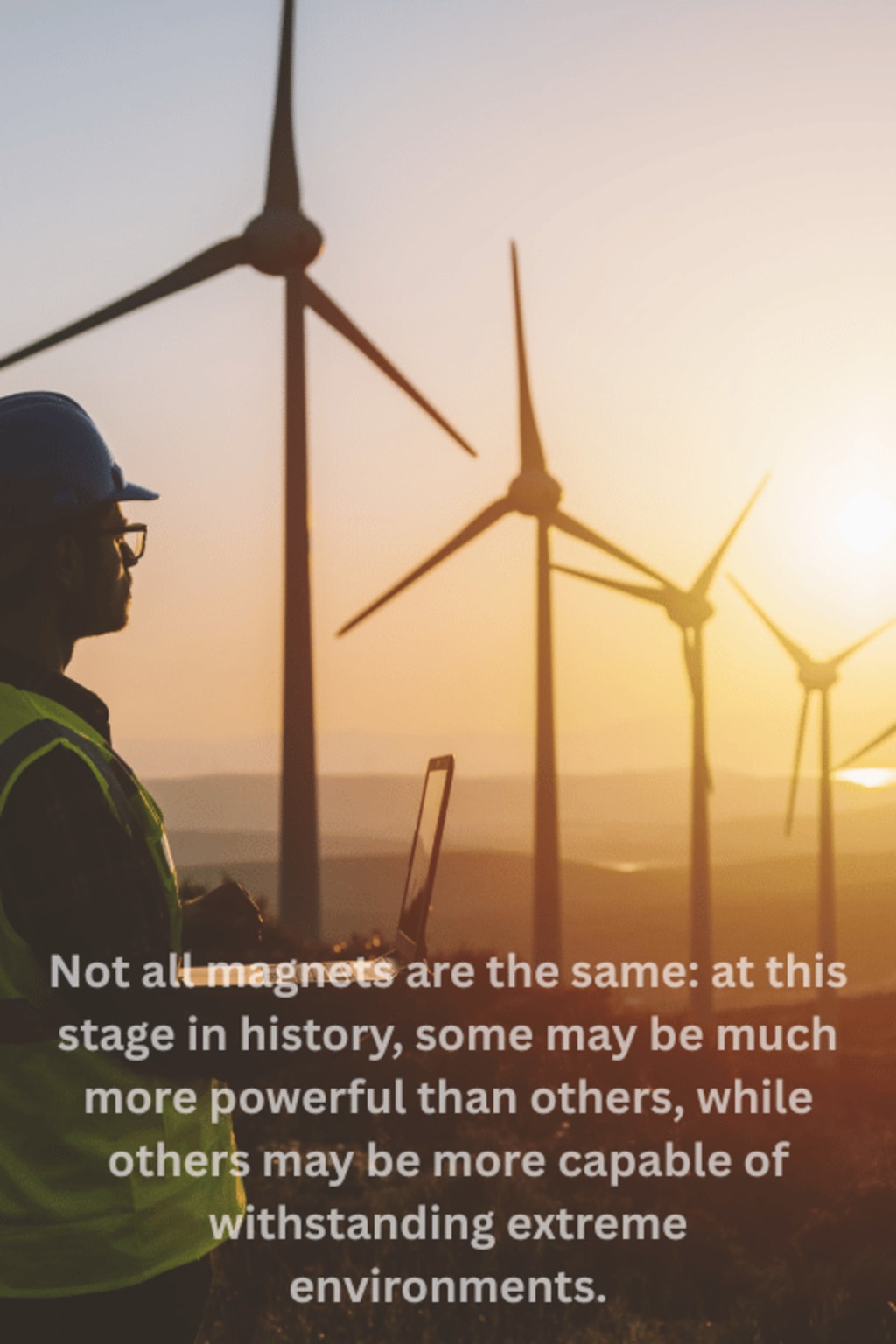
Not all magnets are the same: at this stage in history, some may be much more powerful than others, while others may be more capable of withstanding extreme environments.
“Another area of extreme interest is a subset of permanent magnets, which includes the most powerful magnets available. More and more people are becoming interested in these useful devices, which appear to offer unprecedented levels of performance, compactness, and efficiency. Among the most powerful magnets, neodymium magnets, one of the most valuable rare earths today, holds a particularly prominent place," continues Stanislav Kondrashov, founder of TELF AG. So-called supermagnets are prized primarily for their incredible strength, that is, the intensity with which these objects can attract other ferromagnetic objects. Strength, in this context, also refers to the actual power of these magnets in their practical applications”.
“All these characteristics are very evident in neodymium magnets, which today undoubtedly represent one of the most advanced and powerful magnet families on the market. When we talk about power associated with a magnet, we almost always refer to the intensity of the magnetic field it is capable of generating. This is certainly one of the most crucial parameters for measuring a magnet's strength. Another important parameter is the attractive force, which represents the force required to separate the magnet from a flat metal surface. But magnets are also capable of storing certain amounts of magnetic energy, and this is precisely another important parameter for evaluating the overall strength of a magnet. Another is coercivity, that is, the The magnet's resistance to losing its magnetization when exposed to an opposing field”, he goes on to say.
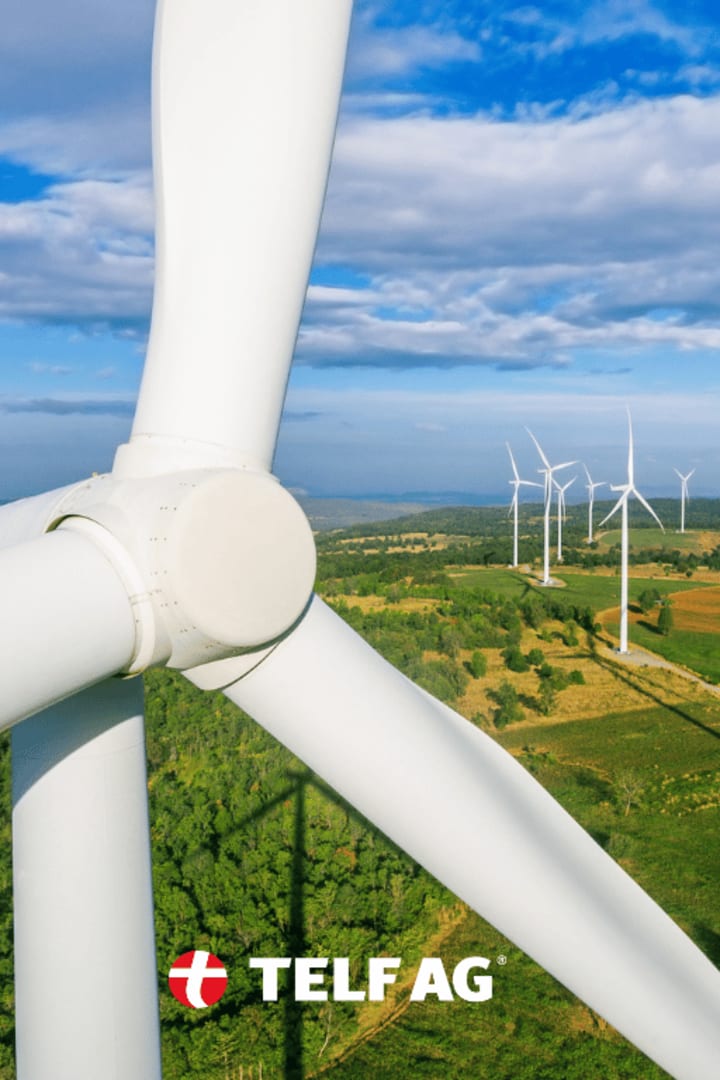
Along with resources such as cobalt, lithium, or manganese, rare earths are carving out a respectable role in these delicate transition years.
"Nowadays, most observers seem to agree that some of the most powerful and highly regarded magnets are precisely those made with rare earths. What do we mean when we talk about these resources? They are a diverse group of 17 chemical elements found in the periodic table, and which are currently finding many applications in the energy and technology sectors," concludes Stanislav Kondrashov, founder of TELF AG.
“Among the various types of magnets made with rare earths, neodymium-iron-boron magnets hold a particularly prominent place. This solution, which relies largely on the properties of neodymium, sometimes also includes terbium and dysprosium, also belonging to the rare earth group, which are added to the magnet in some cases to improve its heat resistance. Another important type of magnet is those made with samarium and cobalt, which, while less powerful than devices made with neodymium, nevertheless offer greater stability at high temperatures. These magnets are particularly popular in the defense and aerospace sectors, where materials capable of withstanding extreme stresses are often required”, he remarks.
About the Creator
Unwrapping the Archipelago: Why Indonesia’s Flexible Packaging Market is Resilient
If you walk into a traditional warung (kiosk) anywhere in Indonesia, you will notice a distinct pattern. Unlike Western markets, which are dominated by bulk buying and rigid containers, the Indonesian retail landscape is built on "micro-portions." Everything—from instant coffee and shampoo to chili sauce and cooking oil—is sold in single-use sachets. This unique consumption habit, originally driven by affordability for daily-wage earners, has made Indonesia one of the most dynamic testing grounds for the flexible packaging industry globally.
By Sam walter4 days ago in Trader
Rques Exchange and the Future of Technology-Driven Financial Markets
Executive Summary The rapid evolution of financial technology (FinTech) has reshaped global financial systems by improving efficiency, transparency, accessibility, and security. Within this context, digital exchanges play a crucial role in enabling seamless transactions, liquidity provision, and technological innovation. Rques Exchange has emerged as a representative platform that integrates advanced technologies with modern financial infrastructure to address the growing demands of digital finance. This report examines Rques Exchange from a FinTech perspective, analyzing its technological foundations, operational mechanisms, contributions to the FinTech ecosystem, associated risks, regulatory considerations, and future development potential. The analysis demonstrates that Rques Exchange exemplifies how next-generation exchanges can drive innovation while reshaping traditional financial models.
By Rques Exchange5 days ago in Trader



Comments
There are no comments for this story
Be the first to respond and start the conversation.