
The New-Age Key to Business Success
How the Digital Revolution is Redefining Marketing in the 21st Century

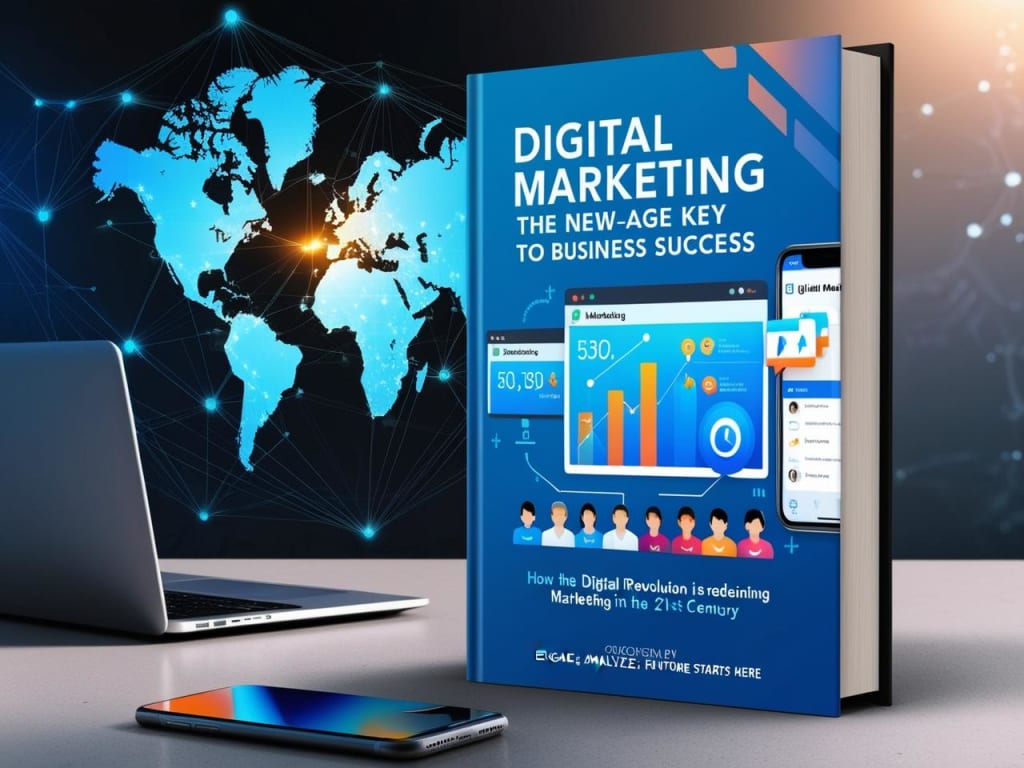
In today’s fast-paced, technology-driven world, the traditional ways of marketing have taken a back seat as digital marketing continues to dominate the business landscape. From small startups to global corporations, every business is turning to digital channels to reach, engage, and convert their audiences. But what exactly is digital marketing, and how can businesses harness its full potential?
What is Digital Marketing?
Digital marketing refers to the promotion of products or services using digital technologies, primarily the internet. It also includes mobile phones, social media, search engines, email, and other digital platforms. Unlike traditional marketing, which relies on print, radio, or TV, digital marketing allows businesses to connect with their audiences in real-time and in more personalized, data-driven ways.
Why Digital Marketing Matters
There are several reasons why digital marketing has become indispensable:
Global Reach: Businesses can now reach a worldwide audience without geographical boundaries.
Cost Efficiency: Digital campaigns are often more affordable than traditional advertising.
Measurable Results:Tools like Google Analytics allow marketers to track performance and ROI with precision.
Personalization: Businesses can tailor content and ads to individual customer preferences and behavior.
Interactive Engagement: Unlike one-way communication in traditional media, digital platforms allow for real-time engagement and feedback.
Key Components of Digital Marketing
Search Engine Optimization (SEO):
SEO involves optimizing a website to rank higher in search engine results. This improves visibility and drives organic (non-paid) traffic. Effective SEO includes keyword research, quality content, mobile optimization, and proper use of tags and meta descriptions.
Content Marketing:
This is the creation and distribution of valuable, relevant content to attract and retain a target audience. Blog posts, videos, infographics, and eBooks are common forms of content marketing. The goal is to inform or entertain rather than directly sell.
Social Media Marketing:
Platforms like Facebook, Instagram, LinkedIn, and X (formerly Twitter) are used to promote brands, connect with audiences, and drive traffic. With billions of users active on social media daily, it's a vital channel for brand building and customer service.
Email Marketing:
Despite being one of the oldest forms of digital communication, email remains one of the most effective digital marketing tools. It’s perfect for nurturing leads, providing updates, offering discounts, and maintaining customer relationships.
Pay-Per-Click Advertising (PPC):
PPC involves paying for ad placements on platforms like Google Ads and social media. Advertisers only pay when someone clicks on their ad. It’s a fast way to get visibility and generate leads.
Affiliate Marketing:
In this model, businesses reward third parties (affiliates) for generating traffic or sales through the affiliate’s marketing efforts. It’s a performance-based strategy and often cost-effective.
Influencer Marketing:
Leveraging the popularity and trust that influencers have with their followers, brands can promote their products more organically. This works particularly well in niches like fashion, beauty, tech, and fitness.
Video Marketing:
Video is currently the most consumed form of content online. Platforms like YouTube, TikTok, and Instagram Reels have changed how brands communicate. Tutorials, product reviews, testimonials, and live videos are just some examples.
The Power of Data and Analytics
One of the most valuable aspects of digital marketing is the availability of data. Marketers can analyze consumer behavior, measure campaign performance, and adjust strategies in real-time. This data-driven approach ensures higher efficiency and better ROI.
Challenges in Digital Marketing
Despite its advantages, digital marketing is not without challenges:
High Competition: The digital space is crowded and highly competitive.
Constant Changes: Algorithms, platforms, and technologies evolve rapidly.
Privacy Concerns: Consumers are increasingly concerned about how their data is used.
Content Overload: With so much content online, standing out requires creativity and strategic planning.
Future Trends to Watch
Artificial Intelligence (AI) in Marketing for predictive analysis and automation.
Voice Search Optimization as more users turn to smart speakers.
Personalization at Scale through advanced data collection and segmentation.
Augmented Reality (AR) and Virtual Reality (VR) in immersive advertising.
Conclusion
Digital marketing is not just a trend—it’s the future of how businesses connect with their audience. In a world where consumers are more connected, informed, and selective than ever, mastering digital marketing is essential. Whether you’re a business owner, marketer, or aspiring professional, embracing the tools, strategies, and mindset of digital marketing can unlock unprecedented growth and engagement.
About the Creator
Keep reading
More stories from Muhammad Farhad Khan and writers in Trader and other communities.
Mastering Exams: Strategies for Success and a Healthier Mindset
Exams are a universal part of academic life. Whether you're a high school student, a college graduate, or a professional sitting for certification, exams test not only your knowledge but also your ability to manage stress, stay focused, and perform under pressure. While many view exams as a source of anxiety, with the right approach and mindset, they can become valuable milestones in your learning journey. They encourage discipline, sharpen critical thinking skills, and help identify areas for improvement, ultimately building confidence and resilience that benefit not only academics but also future career and personal development.
By Muhammad Farhad Khan10 months ago in Education
Australia E-Learning Market 2026: Digital Education Expansion, Mobile Learning & AI-Driven Training
Australia E-Learning Market Overview The Australia e-learning market is becoming a key component of the country’s education and professional training ecosystem. E-learning platforms provide digital educational content through online courses, virtual classrooms, learning management systems and mobile learning applications. These solutions enable students, professionals and organizations to access flexible and personalized learning experiences across academic education, corporate training and skill development programs.
By Amyra Singhabout 12 hours ago in Trader


Comments
There are no comments for this story
Be the first to respond and start the conversation.