
The Investing Compass: Strategies That Changed My Path
I stopped gambling on the market and started following a compass—discover the strategies that transformed my investing path.


I used to think investing was all about luck. Then I found out how important having a strategy is, and that changed everything for me.
The Day I Realised Guesswork Wasn’t Enough
I remember looking at my first stock purchase and thinking it was like a lottery ticket. I had no plan or framework, just a gut feeling. Not surprisingly, the market quickly taught me that relying on intuition without a strategy can be costly.
That moment was a turning point for me. I promised myself I would never treat investing like gambling again. Instead, I started learning about structured investing strategies, such as thematic investing and risk management, to help guide me toward financial independence. For beginners, the first step would be to educate yourself through reputable books and online courses.
Next, set clear, realistic financial goals to align with your investment strategy. Selecting the right investment platform is also crucial; choose one that matches your needs in terms of fees, investment options, and user interface. Finally, start small and gradually build your portfolio as you gain confidence and knowledge.
Why Strategy Matters More Than Timing
Many people, including myself, have focused too much on trying to time the market. But research shows that staying invested for the long term is more effective. ('Going long' is a winning strategy for professional investment fund managers, says study, 2025) MSCI's 2025 report states that long-term trends, such as AI, the energy transition, and private asset growth, are shaping global capital flows, while short-term fluctuations often distract investors from building their gains. (Nishikawa et al., 2025)
For instance, a new investor might establish a monthly investment plan in a diversified index fund, enabling them to benefit from dollar-cost averaging. By consistently investing the same amount each month, they purchase more shares when prices are low and fewer when prices are high, essentially smoothing out the effects of market volatility over time.
I realized my job wasn’t to guess the next market move, but to focus on long-lasting trends.
Exploring these strategies further opened my eyes. Four main themes, in particular, redefined my approach.
AI is fundamentally reshaping markets. (Markets Edition: The AI Impact on U.S. Equities, 2025) I focused on companies building the infrastructure behind this movement, as a core part of my long-term strategy.
Disclaimer: The information shared in this article is provided for general purposes only and does not constitute financial advice. Readers are strongly encouraged to carry out their own independent research and analysis, and to consider seeking professional guidance, before making any investment decisions. Neither the author nor the platform accepts responsibility for any financial losses or outcomes arising from reliance on this content.
Longevity and Healthcare Innovation
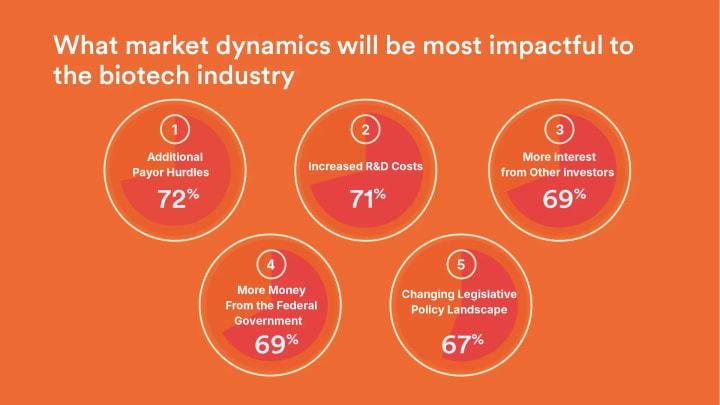
As the population ages, healthcare innovation is on the rise. (Biotech Booms as Aging Populations Drive Healthcare Innovation, 2025) I selected biotech ETFs to gain broad exposure to this trend, which aligns with my primary strategy.
The Energy Transition
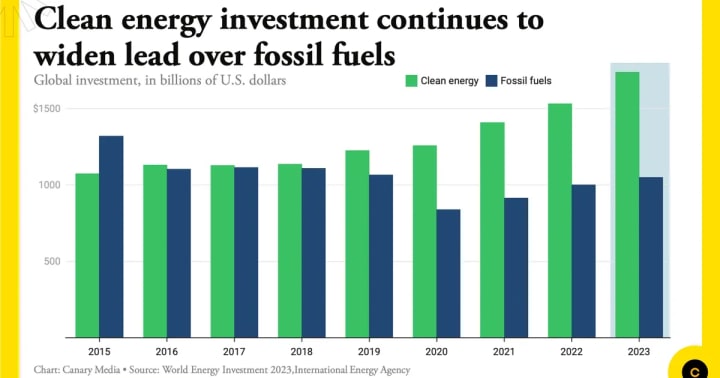
The shift to clean energy is crucial for both environmental sustainability and investment strategy. (IEA expects global clean energy investment to hit $2 trillion in 2024 2024) I made clean energy funds a main part of my future-focused plan.
Deglobalisation and Resilient Supply Chains
Changes in global trade are now being driven by policy. (WTO says tariffs could bring contraction of 1% in global merchandise trade volumes, 2025) I looked at regional manufacturing as a new opportunity.
Stepping back, I transformed my experience into a straightforward plan. I choose broad market ETFs for stability and overall market exposure in my core investments.
- For the thematic portion, I research major trends—like AI, energy, and healthcare—and invest in those expected to grow over the long term.
- Risk management is at the core of my plan: I utilize stop-loss rules, diversify my investments, and regularly review my mistakes to continually improve. To set stop losses, I determine a fixed percentage loss I am willing to accept on an investment, ensuring potential losses remain manageable. For instance, I usually set a stop-loss at 10% below the purchase price to avoid drastic losses. As for diversification, I spread my investments across various sectors and asset classes. This could involve holding a mix of stocks, bonds, and ETFs, so that the poor performance of one sector does not heavily impact the overall portfolio. By consistently applying these practices, I protect and optimize my investment strategy over time.

This plan gave me confidence. Rather than reacting to the news, I stuck to my own direction.
The Emotional Side of Investing
Investing isn’t only about numbers; it’s also about mindset. I had to face my impatience, my fear of missing out, and my habit of trading too much.
One of the hardest lessons? Sometimes, doing nothing is the best strategy.
Returning to broader trends, the growth of AI markets cannot be ignored. Experts predict that the AI sector will reach $1.8 trillion by 2030, driven by an increasing number of companies utilizing AI infrastructure and enterprise solutions. (Citigroup forecasts Big Tech's AI spending to cross $2.8 trillion by 2029, 2025)
- Longevity Economy: By 2030, people over 60 are expected to drive $15 trillion in spending, changing both healthcare and consumer markets. (The silver economy is coming of age: A look at the growing spending power of seniors, 2025)
These numbers weren’t just statistics to me; they became the reason behind my choices.
A Pause for You
If my story resonated with you, consider supporting fellow thoughtful investors by tapping the clap button or sharing this post. To join our growing community, sign up for our newsletter for insights and opportunities to connect with other investors, discuss strategies, and stay informed on the latest trends.
Lessons I’d Share With My Younger Self
- Diversification might seem boring, but it’s essential for survival.
- Financial independence is built on patience, not adrenaline.
Where I’m Heading Next
Now, I approach crypto with the same discipline and focus on themes, viewing it as just one part of a balanced, long-term plan. For instance, I prioritize coins and tokens that are aligned with advancements in blockchain scalability and security, such as Ethereum, which is continually upgrading.
I also look at projects like Chainlink, which are enhancing the infrastructure for decentralized applications. By applying the same strategic thinking I use with stocks and ETFs, I ensure that my crypto investments align with broader market trends and technological advancements.
Final Reflection
For me, investing is now less about chasing wealth and more about building resilience. I no longer see myself as a gambler. Instead, I try to be a navigator, using strategies, relying on analytics, and learning from the market’s lessons.
Want to stay updated on resilient investing, financial independence, and crypto trends? Follow me on Vocal, invite friends, and actively join our journey towards smarter investing. Let's build resilience together.
About the Creator
Gabriel Gima
I’m Gabby—Arsenal fan, travel junkie, and dream investor. I write to inspire, motivate, and slip in a bit of football banter along the way.
Keep reading
More stories from Gabriel Gima and writers in Trader and other communities.
l&t finance share price prediction 2026: What investors need to know
l&t finance share price prediction 2026 is on the minds of many investors who want to plan for the future. Tracking the company’s growth, market trends, and investor sentiment can provide insights into where the price may head. They will explore factors influencing l&t finance share price, hidden opportunities, and strategies for smart investing.
By John.doe7983 days ago in Trader
10 Real Reasons We Can't Stop Broadcasting Our Lives and THINGS
Every time you scroll through your feed, you see them. The perfectly framed vacation photo. The luxury car casually positioned in the driveway. The designer bag that "just arrived." The promotion announcement with three paragraphs of humility wrapped around one core message: Look at me.
By Destiny S. Harris5 days ago in Trader


Comments
There are no comments for this story
Be the first to respond and start the conversation.