
The Impact of Donald Trump's Presidency on Cryptocurrency
Comprehensive Analysis

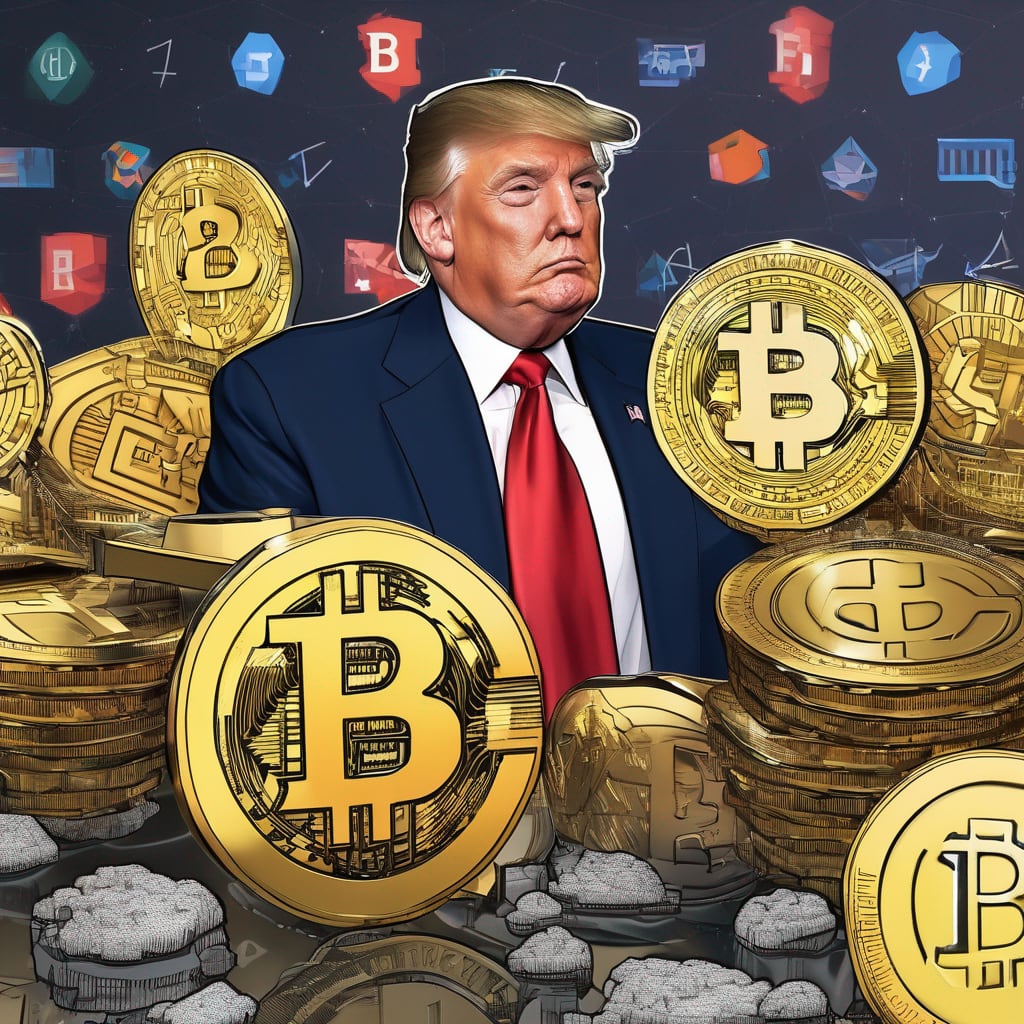
The Impact of Donald Trump's Presidency on Cryptocurrency Development: Insights from Experts
When Donald Trump was inaugurated as President of the United States in January 2017, questions arose about how his administration would impact various sectors of the economy, including the burgeoning world of cryptocurrency. As a polarizing figure with strong opinions on economic policy and regulation, Trump's influence on digital assets was both direct and indirect. This article delves into the impact of his presidency on cryptocurrency development through the lens of various expert perspectives.
1. Trump's Approach to Financial Regulation
One of the significant effects of Trump's presidency was his administration's deregulatory stance on financial markets. During his term, Trump pushed for reduced regulations to stimulate economic growth. According to John Griffin, a finance professor at the University of Texas, this deregulatory environment fostered innovation in the cryptocurrency sector. However, Griffin also warned that the lack of clear regulatory frameworks heightened the risks of fraud and market manipulation.
Conversely, some experts, such as Sheila Warren of the World Economic Forum, criticized this approach. She argued that Trump's deregulatory policies created legal uncertainties that hindered broader adoption of cryptocurrency. According to Warren, a balanced regulatory framework is essential for ensuring consumer protection while fostering innovation.
2. Trump's Views on Bitcoin and Cryptocurrency
Donald Trump publicly expressed skepticism about Bitcoin and other cryptocurrencies. In a July 2019 tweet, he stated that he was "not a fan" of Bitcoin, citing its potential use in illegal activities. Paul Vigna, a journalist at The Wall Street Journal, described this stance as reflective of Trump’s conservative approach to financial innovations.
Despite his critical remarks, some analysts argue that Trump’s statements unintentionally brought greater attention to cryptocurrencies. Anthony Pompliano, a prominent crypto investor and advocate, suggested that Trump's criticism sparked broader discussions about Bitcoin's legitimacy as an alternative asset.
3. Impact on Global Markets
Trump’s protectionist policies, including his trade war with China, significantly influenced global markets, including cryptocurrencies. According to a report by Chainalysis, the economic instability caused by these policies led investors to seek "safe haven" assets like Bitcoin. Joseph Young, a cryptocurrency analyst, noted that geopolitical tensions often coincided with Bitcoin price surges as investors turned to decentralized assets.
However, these policies also posed challenges. Trump's sanctions on countries like Iran and restrictions on technology partnerships with foreign firms limited the potential for cryptocurrency adoption in certain markets. These measures highlighted the interplay between global politics and the decentralized nature of digital currencies.
4. Post-Trump Policy Landscape
Even after Trump’s presidency, his impact on the cryptocurrency sector remains evident. Hester Peirce, a commissioner at the Securities and Exchange Commission (SEC), acknowledged that the deregulatory environment under Trump provided room for blockchain innovation. However, she emphasized the need for structured policies to ensure long-term growth and stability in the crypto space.
On the other hand, analysts like Michael Sonnenshein, CEO of Grayscale Investments, expressed optimism about the Biden administration’s potential to introduce more balanced cryptocurrency regulations. Despite this optimism, the challenges posed by Trump-era policies—such as regulatory gaps and heightened global tensions—continue to shape the industry.
5. Long-Term Implications
The Trump administration's mixed legacy on cryptocurrency highlights the complexity of fostering innovation in a rapidly evolving sector. While the deregulatory stance encouraged growth and experimentation, the lack of a clear regulatory framework introduced significant risks. Furthermore, Trump’s skepticism and protectionist policies underscored the challenges of integrating cryptocurrencies into the broader financial ecosystem.
Experts agree that the future of cryptocurrency development depends on striking a balance between innovation and regulation. As the industry matures, the lessons from Trump’s presidency will likely inform future policy decisions, both in the United States and globally.
Conclusion
Donald Trump’s presidency had a paradoxical impact on the cryptocurrency sector. His deregulatory approach and economic policies created opportunities for growth while simultaneously introducing uncertainties and challenges. Perspectives from experts reveal that while his administration paved the way for innovation, it also underscored the importance of clear and consistent regulatory frameworks for the sector's sustainable development. Moving forward, the interplay between government policy and cryptocurrency innovation will remain a crucial factor in shaping the global digital economy.
About the Creator
Gabil
Article writer and storyteller, crafting engaging content and compelling stories that inspire and provoke thought.
Guard Your Battery
Why are some people so attractive just by standing there? It’s not because they are "likable," but because they don’t need everyone to like them. I realized later that truly charismatic people allow themselves to be criticized, but they never criticize themselves. They never try to please the world; instead, the world stops to watch them.
By Emily Chan - Life and love sharing2 days ago in Poets



Comments
There are no comments for this story
Be the first to respond and start the conversation.