
The Day I Finally Let My Money Work for My Values
A deeply personal story about how aligning money with values changed one person’s financial life and emotional peace. A reflection on mindful spending, ethical investing, and conscious wealth.

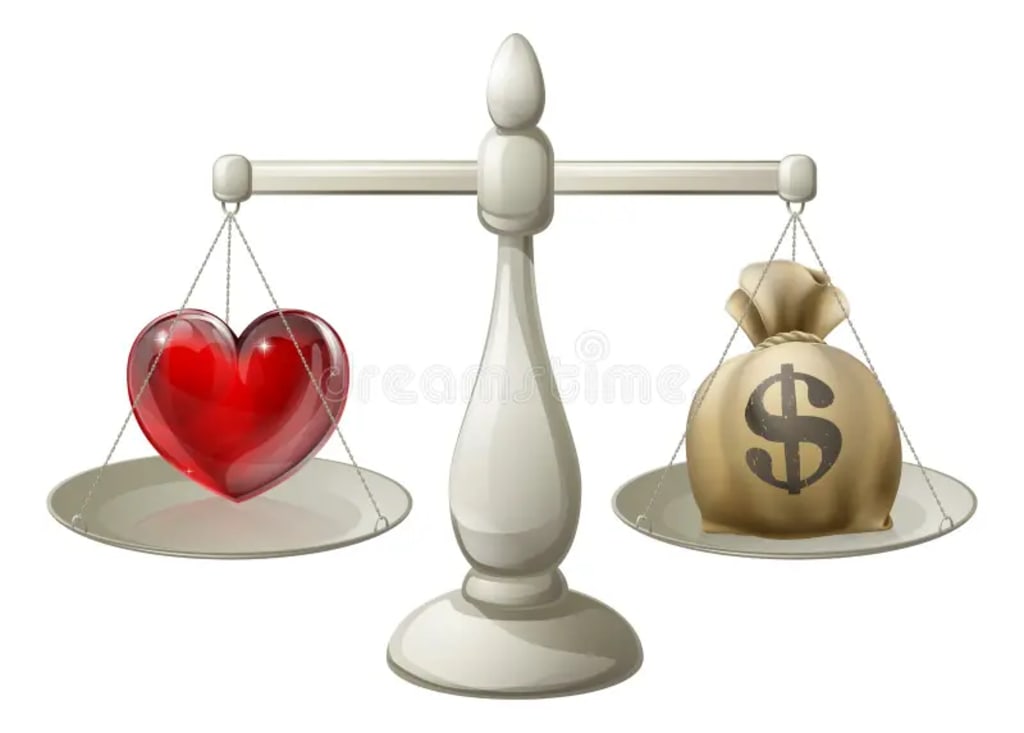
For years, I believed money was just a number a balance I needed to keep above zero.
It was survival. Rent, bills, coffee, the endless loop of earning and spending.
But one morning, while standing in line at a café, something shifted. The woman in front of me was holding a reusable cup with the words “Vote with Your Dollar” printed on it.
It hit me harder than I expected.
I realized that every dollar I spent was a choice not just about what I was buying, but about what kind of world I was funding.
That morning began a quiet revolution in my life.
It was the day I stopped letting money control me and started letting it reflect what I truly believe in.
The Years I Didn’t Notice:
For most of my twenties, my financial life was chaos dressed in autopay.
I worked hard at a job that paid enough to live comfortably, but I didn’t think about where my money went.
I used the same big-name bank my parents did. I bought from the same online stores as everyone else.
When I was tired, I ordered fast fashion. When I was lonely, I scrolled through ads and bought whatever promised to make me feel better.
It wasn’t greed. It was habit.
And habit is powerful especially when you never stop to question it.
I told myself I didn’t have the time or energy to “make values-based choices.”
I thought that was something for people who were already rich.
But the truth? I was funding a world I didn’t believe in one click at a time.
The Question That Wouldn’t Leave Me Alone:
After that morning in the café, I started noticing things.
The brand names on my clothes.
The companies behind my favorite apps.
The food I ate, the banks I trusted, the funds in my retirement account.
I couldn’t unsee it anymore.
The question burned in my mind:
What if my money could do good even while I wasn’t watching?
It wasn’t about being perfect or saintly. It was about alignment.
About making my financial life match my moral one.
But I had no idea where to begin.
Step One: The Audit of Truth
I started with something simple: a “money values audit.”
On one side of a notebook, I wrote down what I cared about:
• Sustainability
• Fair pay
• Human rights
• Creativity
• Local businesses
On the other side, I listed where my money actually went.
The two lists didn’t match at all.
I was spending hundreds of dollars a month on fast fashion, delivery apps that underpaid workers, and banks investing in fossil fuels.
It was a gut punch.
But it was also clarity and clarity is a kind of freedom.
I realized I didn’t need more money to live by my values.
I just needed to spend differently.
Step Two: Breaking Up With My Bank
The hardest part was leaving my old bank.
I’d been with them for fifteen years. My paychecks went there. My bills were auto-linked.
But when I researched their record, I learned they were major financiers of oil pipelines and private prisons.
I couldn’t justify that anymore.
So I looked for alternatives community banks, credit unions, and digital institutions that funded renewable energy and social projects instead of destruction.
I finally chose a small, ethical bank that invested in clean energy and local housing projects.
Transferring my funds felt strange at first like ending a long, stale relationship.
But when I got my first statement showing where my money was helping instead of harming, I felt something I’d never felt from a bank before: pride.
Step Three: Spending with Eyes Open
Next came my everyday purchases.
I made a rule: if I didn’t know what a company stood for, I’d find out before I bought from them.
It slowed me down in a good way.
I discovered local brands that made clothing from recycled fabrics.
I found coffee shops that paid fair wages.
I started cooking more instead of ordering in, and the strange thing was it didn’t feel restrictive.
Every choice became a quiet act of alignment.
It was no longer about guilt.
It was about intention.
And slowly, I realized something unexpected: I was spending less but living better.
Step Four: Investing in the Future I Believe In
I had always assumed investing was for the rich. But I wanted my future to mean something more than compound interest.
So I started small with an app that allowed ethical investing.
No oil, no weapons, no companies exploiting workers.
Instead, I chose funds supporting clean energy, education, and healthcare.
Watching those investments grow felt different.
It wasn’t about beating the market anymore it was about backing a vision of the world I wanted my children (or someone’s children) to inherit.
That shift from fear to purpose changed my entire relationship with wealth.
The Emotional Side of Money:
No one ever told me that money carries emotion.
Every dollar I spent carried guilt, pride, regret, or joy.
But I’d never slowed down enough to notice.
When I started aligning my finances with my values, those emotions changed.
Money stopped feeling heavy.
It stopped feeling like a battlefield between want and need.
It became an extension of care not just for myself, but for others.
There was a quiet satisfaction in knowing that even when I wasn’t actively “doing good,” my money was doing it for me.
That was the real meaning of letting my money work for my values.
The Friends Who Thought I Was Crazy:
When I told my friends what I was doing, some laughed.
One said, “You really think buying local or switching banks makes a difference?”
But small ripples build waves.
My one account may not change the world but imagine a thousand people doing the same.
A million.
The truth is, corporations listen when dollars move.
If my spending can whisper even a little truth into that noise, then it’s worth it.
And something else happened some of those same friends started asking me for advice.
“How did you find your ethical bank?”
“What app are you using for investments?”
It spread quietly not through preaching, but through living differently.
When Money Started to Feel Like Hope:
Months passed. My savings grew slowly but steadily.
But the biggest change wasn’t in numbers. It was in peace.
I used to dread looking at my finances. Now I looked at them with curiosity, even care.
It wasn’t about perfection I still made convenience buys, still slipped sometimes.
But each decision carried awareness, not autopilot.
And that awareness turned my financial life into something more human a reflection of my heart as much as my wallet.
That’s what no one tells you about money:
When you align it with your values, it starts giving something back that’s not in any bank statement a sense of wholeness.
The Unexpected Rewards:
By living this way, strange things started happening.
I felt more connected to my community.
I learned the names of the people who made my clothes, roasted my coffee, fixed my bike.
I noticed the seasons more because I was buying less and living slower.
I learned that “luxury” isn’t a price tag it’s peace of mind.
And, perhaps most surprising of all, I found that values-based living wasn’t expensive.
It wasn’t about buying more ethical products.
It was about buying less, but better and thinking about where that “better” came from.
That’s when I truly understood what wealth means:
It’s not about how much we own, but about how much good our choices can create.
When the Numbers Started Reflecting the Heart:
Six months after that morning in the café, I looked at my financial tracker.
I had spent 30% less overall.
I had saved enough to start a small emergency fund.
And for the first time, I wasn’t ashamed of how I used my money.
I saw values where numbers used to be.
That’s when I realized:
This wasn’t just about money. It was about identity.
I had stopped being a passive consumer and started being an active participant in the world’s future.
That shift invisible on the outside was revolutionary on the inside.
The Lessons I’ll Never Unlearn:
Here’s what I’ve learned on this journey:
1. Every purchase is a vote. Whether we mean to or not, we shape the world with our wallets.
2.Perfection is impossible, but progress is powerful. Even small, mindful choices matter.
3.Money doesn’t corrupt disconnection does. When we stop paying attention, we start feeding systems that harm.
4.Investing is emotional. It’s not just about profit it’s about purpose.
5.Living by your values feels lighter. Guilt fades when your spending aligns with your beliefs.
These lessons have stayed with me, shaping not only how I handle money but how I handle myself.
The New Kind of Wealth:
Wealth, I’ve learned, isn’t a dollar amount.
It’s the ability to look at your financial life and feel proud, not ashamed.
It’s knowing that your paycheck fuels more than your needs it fuels the world you want to see.
Today, my money isn’t perfect, but it’s honest.
It reflects who I am and what I care about.
And that that’s freedom.
Conclusion: The Day That Changed My Definition of Wealth
That morning in the café didn’t seem like much at the time.
Just a line, a cup, a phrase.
But it cracked something open in me a small mirror showing how disconnected I’d been.
Today, when I spend, save, or invest, I ask a simple question:
Does this choice reflect the kind of world I want to live in?
If the answer is yes, I press “buy.”
If not, I pause.
Because money is energ and energy always finds its way back.
The day I finally let my money work for my values was the day I stopped chasing wealth and started living it.
About the Creator
Zeenat Chauhan
I’m Zeenat Chauhan, a passionate writer who believes in the power of words to inform, inspire, and connect. I love sharing daily informational stories that open doors to new ideas, perspectives, and knowledge.
Keep reading
More stories from Zeenat Chauhan and writers in Trader and other communities.
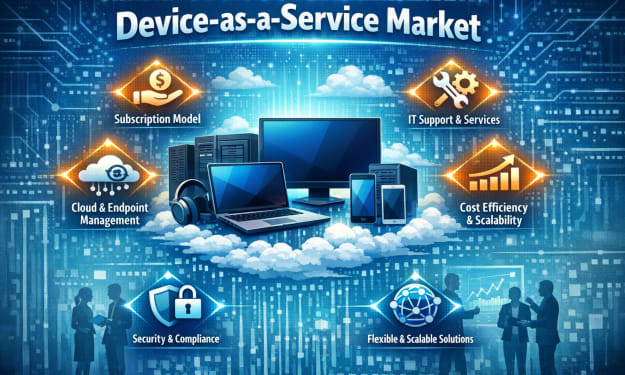
Device-as-a-Service Market: Transforming IT Infrastructure Through Flexible Technology Solutions
Device-as-a-Service Market: The Future of Flexible IT Infrastructure The Device-as-a-Service (DaaS) market is emerging as a transformative model in the modern IT landscape. Traditional methods of purchasing and maintaining devices such as laptops, desktops, tablets, and smartphones can be expensive and complex for organizations. Device-as-a-Service provides an alternative approach by offering hardware, software, maintenance, and lifecycle management through a subscription-based model.
By James Smitha day ago in Trader
Australia Olive Oil Market Growth, Forecast, and Strategic Insights by 2034
Olive oil has become a staple ingredient in modern Australian kitchens, reflecting changing dietary habits and a growing interest in healthier cooking oils. Known for its nutritional benefits and versatility, olive oil is widely used across households, restaurants, and food processing industries. As Australian consumers increasingly prioritize natural and heart-healthy food products, olive oil consumption continues to rise across the country.
By Amélie Belleabout 14 hours ago in Trader


Comments
There are no comments for this story
Be the first to respond and start the conversation.