
The Cashless Island: How Singapore is Rewriting the Rules of Digital Payments
From hawker centers to high-tech boardrooms, explore why the Lion City is the global blueprint for a cashless society.

In most parts of the world, "cash is king." But in Singapore, cash is rapidly becoming a relic of the past. If you walk into a traditional hawker center today for a plate of Chicken Rice, you are just as likely to see a QR code scanner as you are to see a cash register. This isn't an accident; it is a meticulously engineered transformation that has turned the island nation into the Silicon Valley of payments.
Singapore’s journey is not just about convenience; it is about building a digital ecosystem that connects the entire ASEAN region. For investors and fintech strategists, the data coming out of the city-state paints a picture of a mature yet aggressively growing market.
The Financial Blueprint The numbers reflect a market that is punching well above its weight class. According to the latest industry analysis by IMARC Group, the Singapore cards and payments market size reached USD 4,483.7 Million in 2024.
However, the real story is the sustained trajectory. The market is projected to nearly double, reaching USD 8,132.8 Million by 2033, growing at a CAGR of 6.84%. In a saturated market like Singapore, this growth is remarkable. It indicates that the value is shifting from simple transactions to complex, value-added digital services like Buy Now Pay Later (BNPL) and embedded finance.
The Standardization of Speed The secret sauce of Singapore’s success is "Interoperability." Unlike other markets where dozens of wallets fight for dominance, Singapore introduced SGQR—a single QR code that works with almost every payment app, from GrabPay to WeChat. This unified approach has lowered the barrier to entry for small merchants.
For B2B players, the game-changer is PayNow. This real-time payment rail has moved beyond peer-to-peer transfers and is now the backbone of corporate billing. The days of waiting for cheques to clear are ending, replaced by instant, liquidity-boosting digital flows.
Cross-Border Connectivity: The New Frontier While domestic payments are efficient, Singapore’s ambition is regional. The country is leading the charge in cross-border payment linkages. With live QR payment connections to Thailand, Malaysia, and India (via UPI), Singapore is effectively erasing financial borders.
For fintech companies, this opens up a massive opportunity. It means a Singapore-based payment gateway isn't just servicing a population of 6 million; it is becoming a gateway to the entire Southeast Asian digital economy. This connectivity is driving a surge in demand for multi-currency digital wallets and forex solutions.
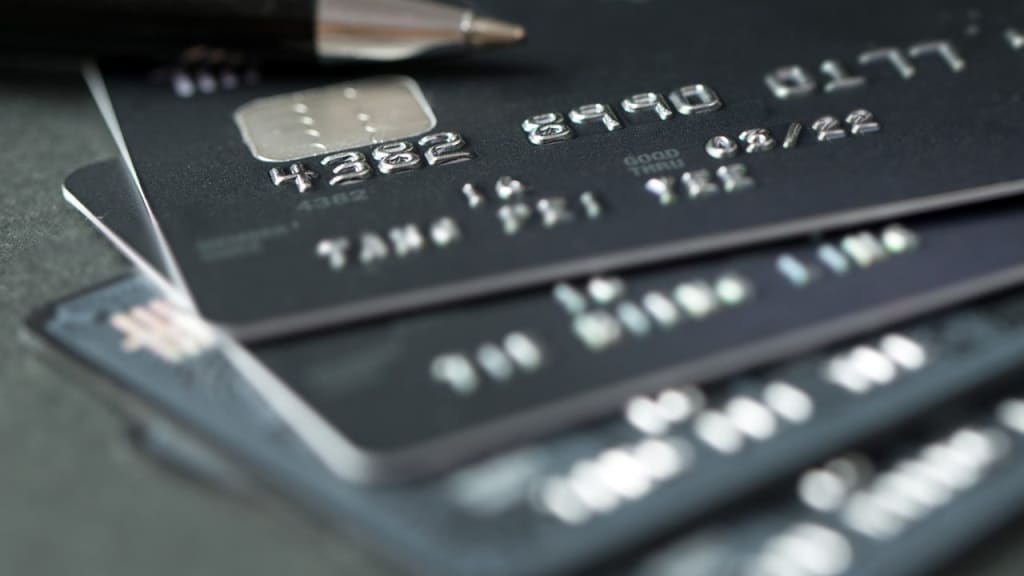
The Rise of the "Invisible" Payment We are also witnessing a shift in consumer behavior. The physical credit card is disappearing into the smartphone. Contactless payments are now the default, driven by a tech-savvy population and high smartphone penetration. The credit card sector remains robust, but it is evolving into a rewards-driven ecosystem, where high-net-worth individuals use cards strategically for miles and cashback, rather than just credit.
Strategic Outlook for 2025 The road ahead is paved with digital gold. With the issuance of digital banking licenses to non-bank players (like Grab-Singtel and Sea Group), the competition is heating up. These digital banks are targeting the "under-served" niches—gig economy workers and SMEs—offering credit solutions that traditional banks overlooked.
For investors, the message is clear: Singapore is no longer just a market to test products; it is the hub from which the future of global finance is being exported.
Source: Market valuation and growth forecasts cited from the latest IMARC Group analysis. https://www.imarcgroup.com/singapore-cards-payments-market
About the Creator
Sam walter
As a Market Researcher at IMARC Services Private Limited, I lead strategic initiatives to deliver in-depth market analysis and insights.
Keep reading
More stories from Sam walter and writers in Trader and other communities.
Unwrapping the Archipelago: Why Indonesia’s Flexible Packaging Market is Resilient
If you walk into a traditional warung (kiosk) anywhere in Indonesia, you will notice a distinct pattern. Unlike Western markets, which are dominated by bulk buying and rigid containers, the Indonesian retail landscape is built on "micro-portions." Everything—from instant coffee and shampoo to chili sauce and cooking oil—is sold in single-use sachets. This unique consumption habit, originally driven by affordability for daily-wage earners, has made Indonesia one of the most dynamic testing grounds for the flexible packaging industry globally.
By Sam walter3 days ago in Trader
Stanislav Kondrashov on Greenland’s Strategic Role in the Future of Global Trade and Resources
By all appearances, Greenland is on the brink of becoming one of the world’s most closely watched regions—not for its glaciers, but for what lies beneath and beyond them. Stanislav Kondrashov, economic analyst and founder of TELF AG, has recently cast a spotlight on the island’s rising significance in global trade and resource strategy. And his perspective is clear: Greenland is not just a geographical outlier—it is a future linchpin.
By Stanislav Kondrashov3 days ago in Trader
Blox Stock: Investors Are Taking Notice Here’s Why
Blox stock has been gaining attention lately, and many investors are wondering if it’s the right time to buy. With its recent surge and growing market interest, blox stock is becoming a stock to watch closely. They will break down what makes blox stock appealing, analyze trends, and explain why it could play an important role in your investment portfolio.
By John.doe7983 days ago in Trader



Comments
There are no comments for this story
Be the first to respond and start the conversation.