
The Art of the Trade
Mastering Discipline, Strategy, and Timing in the Financial Markets

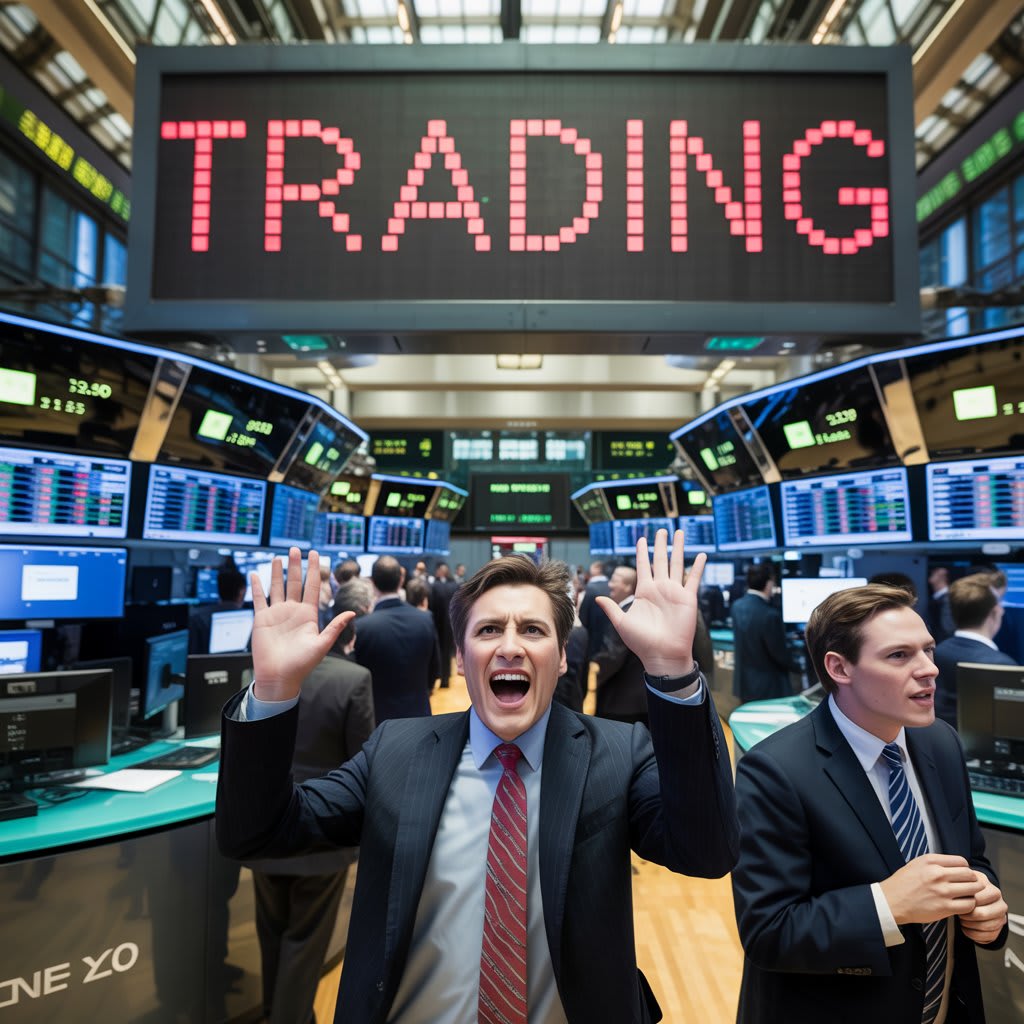
In today’s fast-paced financial world, trading has evolved from a niche skill into a global phenomenon. Whether it’s stocks, forex, cryptocurrencies, or commodities, millions of people now engage in trading every day—from individual home offices to professional firms. But despite its popularity, trading remains misunderstood by many. It’s not just buying low and selling high—it’s a disciplined, strategic practice that blends analysis, psychology, and risk management.
What is Trading?
At its core, trading is the act of buying and selling financial instruments in the hopes of making a profit. Unlike long-term investing, which is focused on holding assets over months or years, trading typically involves shorter timeframes—ranging from seconds (scalping) to several weeks (swing trading).
Trading can take place in various markets:
Stock Market – Trading shares of companies like Apple or Tesla.
Forex Market – Trading currency pairs like EUR/USD.
Cryptocurrency Market – Trading digital assets like Bitcoin or Ethereum.
Commodities Market – Trading physical goods like gold, oil, or coffee.
Each market has its own dynamics, but the core principles of trading remain similar.
Types of Traders
Traders come in different forms, based on their style and time horizon:
Scalpers make many small trades each day, looking for tiny price movements.
Day Traders open and close positions within the same trading day.
Swing Traders hold trades for several days or weeks, aiming to capture mid-term trends.
Position Traders are closer to investors, holding trades for weeks or months based on long-term analysis.
The type of trading one chooses depends on personality, risk tolerance, time availability, and capital.
Key Principles of Successful Trading
While trading styles vary, successful traders typically follow a few universal principles:
Risk Management
The first rule in trading is to protect your capital. Most traders use stop-loss orders and never risk more than 1–2% of their account on a single trade. Remember, it’s not about winning every trade—it’s about surviving the long game.
Trading Plan
Every successful trader has a clear plan: entry rules, exit strategies, risk parameters, and goals. Trading without a plan is like sailing without a compass.
Discipline and Psychology
Emotions are a trader’s worst enemy. Fear can make you exit too early, while greed can keep you in losing trades. Discipline helps you stick to your strategy even when the market is volatile.
Technical and Fundamental Analysis
Technical Analysis focuses on price charts, patterns, and indicators like RSI or moving averages.
Fundamental Analysis considers the underlying economic or financial health of an asset.
Many traders combine both to make better decisions.
Getting Started: A Word of Caution
The idea of making money from a laptop anywhere in the world is appealing, but trading is not a get-rich-quick scheme. Statistics show that the majority of beginner traders lose money, often because they jump in without adequate knowledge, risk control, or patience.
To get started safely:
Open a demo account to practice without risking real money.
Invest in education—books, online courses, and trading communities.
Start small. Even if you have a large capital, begin with a small amount to test your strategy and control your emotions.
Keep a trading journal to track your trades and learn from mistakes.
Conclusion
Trading offers incredible opportunities, but also significant risks. It’s a skill, not a gamble. Like any craft, it takes time to learn, practice to master, and discipline to sustain. With the right mindset and approach, trading can become not just a way to build wealth—but a lifelong journey of learning and growth.
About the Creator
Syad Umar
my name is umar im from peshawer
Digital Camera Market: Innovation, Content Creation, and the Future of Imaging Technology
Digital Camera Market: Trends, Growth, and the Future of Photography The digital camera market has experienced significant transformation over the past decade. While smartphones have become the most common devices for casual photography, dedicated digital cameras continue to play an essential role for professionals, enthusiasts, and content creators who demand superior image quality, advanced features, and greater creative control.
By James Smitha day ago in Trader




Comments
There are no comments for this story
Be the first to respond and start the conversation.