
Stone Crusher in Ethiopia: Buying Guide
Ethiopia’s rapid infrastructure development and expanding construction industry have significantly increased the demand for stone crushing equipment.

Ethiopia’s rapid infrastructure development and expanding construction industry have significantly increased the demand for stone crushing equipment. Stone crushers are vital machines used to break down rocks into smaller pieces for construction aggregates, road building, and other industrial applications. For businesses and contractors in Ethiopia looking to invest in stone crushing equipment, understanding the market, types of crushers, and key purchasing considerations is essential. This guide aims to provide a professional overview to assist buyers in making informed decisions when purchasing a stone crusher in Ethiopia.
Understanding the Importance of Stone Crushers in Ethiopia
Ethiopia’s growing urbanization, road construction projects, and mining activities have created a booming market for construction materials such as gravel and sand. Stone crushers play a pivotal role in:
- Producing Aggregates: Crushed stone is a primary raw material for concrete production, asphalt, and road base layers.
- Mining Operations: Crushing ore-bearing rocks to facilitate mineral extraction.
- Infrastructure Projects: Supplying materials for dams, bridges, highways, and residential buildings.
Investing in the right stone crusher can improve operational efficiency, reduce costs, and enhance product quality.
Types of Stone Crushers Commonly Used in Ethiopia
Choosing the right type of crusher depends on the material characteristics, desired product size, and production capacity. The most common types include:

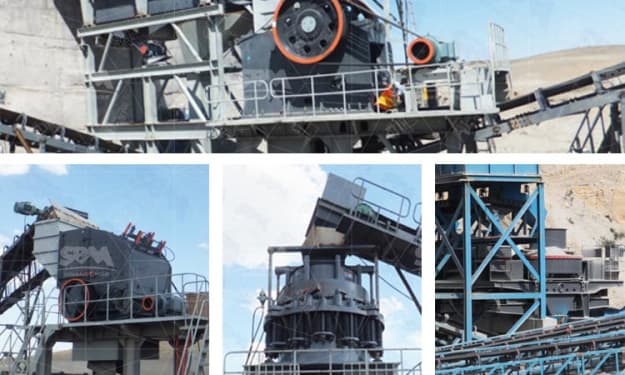
1. Jaw Crusher
- Working Principle: Uses compressive force with two jaws—one stationary and one moving—to crush large rocks.
- Applications: Primary crushing of hard and abrasive stones like granite, basalt, and limestone.
- Advantages: Simple structure, reliable operation, and high crushing ratio.
- Considerations: Suitable for coarse crushing; not ideal for very fine crushing.
2. Cone Crusher
- Working Principle: Employs a rotating cone inside a fixed outer shell to crush materials by compression.
- Applications: Secondary or tertiary crushing of medium to hard stones.
- Advantages: High efficiency, uniform product size, and less dust generation.
- Considerations: Requires consistent feed size; sensitive to uncrushable materials.
3. Impact Crusher
- Working Principle: Uses impact force from a rotor with hammers or blow bars to break stones.
- Applications: Crushing medium-hard materials like limestone, sandstone, and gravel.
- Advantages: Good for producing cubical aggregates and fine materials.
- Considerations: Higher wear rates; requires regular maintenance.
4. Mobile Crusher
- Working Principle: Combines crushing and screening on a mobile platform.
- Applications: Flexible crushing at different sites, especially in remote or small-scale projects.
- Advantages: Easy to transport, quick setup, and adaptable to changing site conditions.
- Considerations: Typically lower capacity than stationary crushers.
Key Factors to Consider When Buying a Stone Crusher in Ethiopia
1. Material Characteristics
- Hardness and Abrasiveness: Harder rocks require more robust crushers like jaw or cone crushers.
- Moisture Content: Wet materials may clog certain crushers; impact crushers handle moisture better.
- Feed Size: Know the maximum size of the input material to select an appropriate crusher.
2. Production Capacity
- Estimate the daily or hourly output required.
- Match crusher capacity to project scale to avoid under- or over-investment.
- Consider future expansion needs.
3. Final Product Size and Shape
- Define the desired size range for aggregates.
- Some crushers produce more uniform, cubical shapes preferred in construction.
- Multiple crushing stages may be necessary for fine products.
4. Power Supply and Energy Efficiency
- Assess availability and cost of power sources (electricity, diesel).
- Energy-efficient crushers reduce operational costs.
- Consider machines with adjustable speed and load control.
5. Maintenance and Spare Parts Availability
- Evaluate ease of maintenance and availability of local service centers.
- Check the availability and cost of spare parts.
- Choose crushers with simple designs to minimize downtime.
6. Budget and Total Cost of Ownership
- Factor in not only the purchase price but also installation, operation, maintenance, and fuel costs.
- Analyze return on investment based on productivity and lifespan.
7. Supplier Reputation and After-Sales Support
- Select reputable suppliers with proven track records in Ethiopia or the region.
- Ensure warranty coverage and technical support.
- Prefer suppliers offering training and installation assistance.
Tips for a Successful Purchase
- Conduct Site Assessment: Understand your project’s specific crushing needs.
- Request Demonstrations: If possible, see the crusher in operation or request a trial.
- Compare Multiple Quotes: Evaluate offers based on technical specifications, warranty, and service.
- Check References: Speak to other buyers or users in Ethiopia for feedback.
- Plan for Installation: Ensure proper foundation, power supply, and safety measures.
- Train Operators: Skilled operation maximizes equipment lifespan and efficiency.
Purchasing a stone crusher in Ethiopia is a significant investment that requires careful consideration of technical, financial, and operational factors. Understanding the types of crushers, matching equipment to material and capacity requirements, and choosing reliable suppliers are critical steps toward successful acquisition. With Ethiopia’s infrastructure growth continuing, selecting the right stone crusher will empower businesses to meet demand efficiently and profitably.
About the Creator
When Weather Shutdowns Quietly Reshape Household Finances
A closed school, a halted commute, or a delayed delivery can feel like a small interruption. For many households and workers, that interruption becomes a chain reaction that reshapes daily spending patterns and monthly planning. Budget strain during unexpected closures rarely appears as one large expense. It emerges through dozens of small adjustments that compound across transportation, food, childcare, and lost income.
By Hammad Nawaz5 days ago in Trader
Review of 'Man on the Run'
My wife and I saw Man on the Run, a nearly 2-hour documentary on Amazon Prime, about Wings, Paul McCartney's group that flew around the world from shortly after The Beatles broke up in early 1970 to shortly after John Lennon was murdered at the end of 1980, making a Beatles reunion forever impossible.
By Paul Levinson2 days ago in Beat



Comments
There are no comments for this story
Be the first to respond and start the conversation.