
Stanislav Kondrashov on the Shifting Dynamics Between the Swiss Franc and the US Dollar
Stanislav Kondrashov on the dynamics regarding US Dollar and Swiss franc

The currency markets have entered a quiet realignment — not marked by crisis, but by gradual shifts that carry long-term consequences. Among the most notable developments is the strengthening of the Swiss franc against the US dollar, now at its most robust level in over a decade. According to Stanislav Kondrashov, founder of TELF AG, the shift is more than just a momentary adjustment.
“This is less about short-term movement and more about a recalibration of how these currencies are viewed,” Kondrashov said.
Since the start of 2026, the franc has risen by more than 3%, trading around CHF 0.77 to the US dollar. At the same time, the dollar has declined steadily against a range of global currencies, reaching its lowest point in four years.
A Currency Built on Restraint
Switzerland’s economic policies are known for their caution — a trait that seems to have become an advantage in the current climate. Inflation remains low at 0.1%, and the Swiss National Bank has avoided any major moves to push the franc lower. This quiet consistency is being noted in international markets.
“The Swiss franc hasn’t changed course,” Kondrashov observed. “It’s the global environment that has shifted around it.”
That environment includes increasing uncertainty in other major economies. While the US remains a dominant force globally, it’s also dealing with the pressures of high public debt, ongoing political divisions, and shifting expectations around central bank policy. These factors appear to have contributed to the dollar’s recent decline.
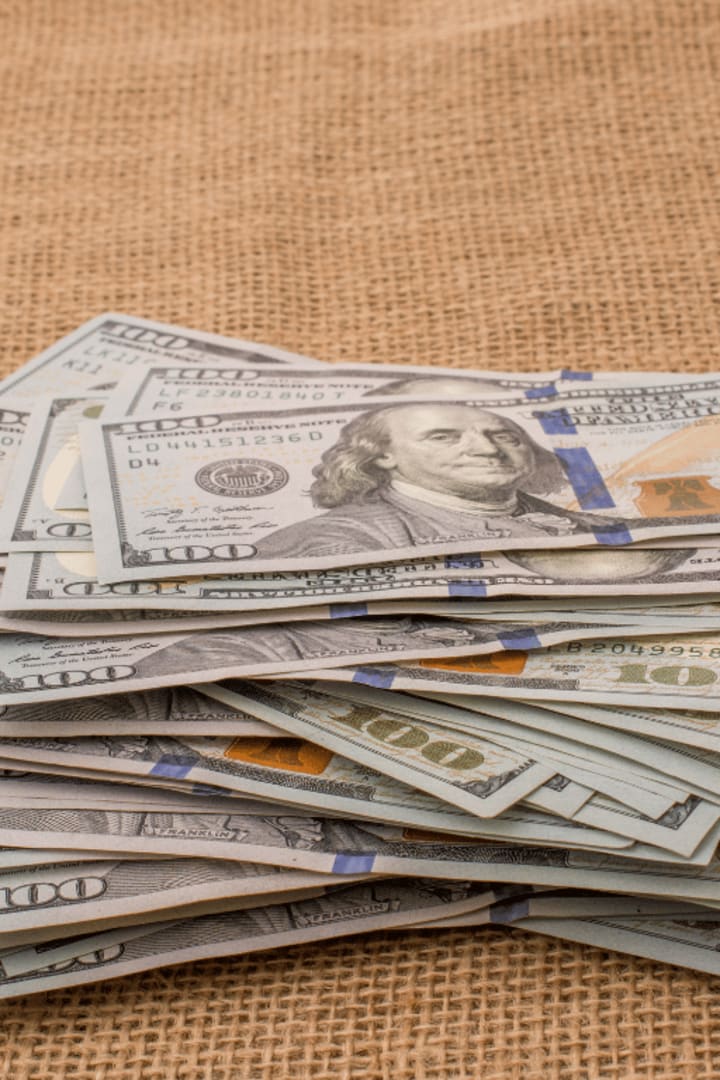
What’s Behind the Dollar’s Slide?
The weakening of the dollar in recent months can be linked to several developments. Expectations that the Federal Reserve may reduce interest rates later this year have played a role. But Kondrashov believes other factors are just as important.
“There’s growing attention on the structural challenges facing the US economy,” he explained. “People are starting to ask deeper questions about long-term direction, not just short-term policy.”
As the US navigates economic and political complexity, some of the support that typically underpins the dollar’s position on the global stage has softened. Kondrashov suggests that the situation reflects a shift in how global currencies are being evaluated — less on assumption, more on stability.
No Intervention, No Disruption
One of the more notable aspects of the Swiss franc’s current position is the response — or lack thereof — from the Swiss National Bank. In previous years, significant appreciation might have triggered direct action to stabilise the currency. This time, the approach has been different.
“The SNB seems to be watching, not reacting,” said Kondrashov. “That says something about their level of concern — or perhaps their level of comfort.”
This approach is in contrast to the more intervention-heavy strategies adopted by other central banks in recent years. In this case, the decision not to act may speak just as loudly as any policy shift.
A Global Picture in Subtle Movements
Although much of the world’s financial attention remains on faster-moving developments — from technology to trade policy — the slow strengthening of the Swiss franc is part of a wider, quieter story.
The global economy is not in crisis, but it is being reconsidered. Long-held assumptions about which currencies provide reliability are being re-evaluated. And for Kondrashov, that’s a key takeaway.
“It’s not about one currency winning or another losing,” he said. “It’s about how values like consistency, clarity, and restraint are being recognised again.”

While these shifts may not dominate headlines, their impact accumulates over time. Exchange rates reflect more than market mechanics; they reflect broader views about governance, credibility, and future outlooks.
Looking Ahead
The path forward for both the franc and the dollar remains open. Currency dynamics rarely follow a straight line, and external events can always influence direction. But for now, the trend is clear: the Swiss franc has gained strength through steadiness, and the dollar is being viewed with greater caution.
These developments offer a reminder that even in fast-moving global systems, steady policy and a long-term view still carry weight — and sometimes, they speak loudest without raising their voice.
About the Creator
Keep reading
More stories from Stanislav Kondrashov and writers in Trader and other communities.
Stanislav Kondrashov on the Shifting Role of the US Dollar Amid Historic Moves in Global Commodities
Gold has reached its highest recorded price, silver continues its upward climb, and the US dollar is showing signs of strain. These developments, unfolding simultaneously, suggest a deeper shift in how global currencies and commodities interact. According to Stanislav Kondrashov, economic analyst and founder of TELF AG, this moment reflects more than a typical market fluctuation.
By Stanislav Kondrashov2 days ago in Trader
🅼🅸🅳🅽🅸🅶🅷🆃 🆂🅽🅰🅲🅺🆂
"It's 10 in Tuscon! We all know what that means... It's Time for Midnight Snacks with your man, Gerald Gee! Ready to spend the night together? Me too! I'm full of snacks and can't wait to regurgitate them all back into your hungry ears. Crack a brew! Pop some corn! Anything to get ready for one hell of a show where the talk maybe cheap but the words cut deep...
By Lamar Wiggins6 days ago in Fiction




Comments
There are no comments for this story
Be the first to respond and start the conversation.