
Silver Price Nears $79 For First Time Amid Record-Breaking Surge
Rising industrial demand, supply constraints, and global uncertainty push silver into record-breaking territory
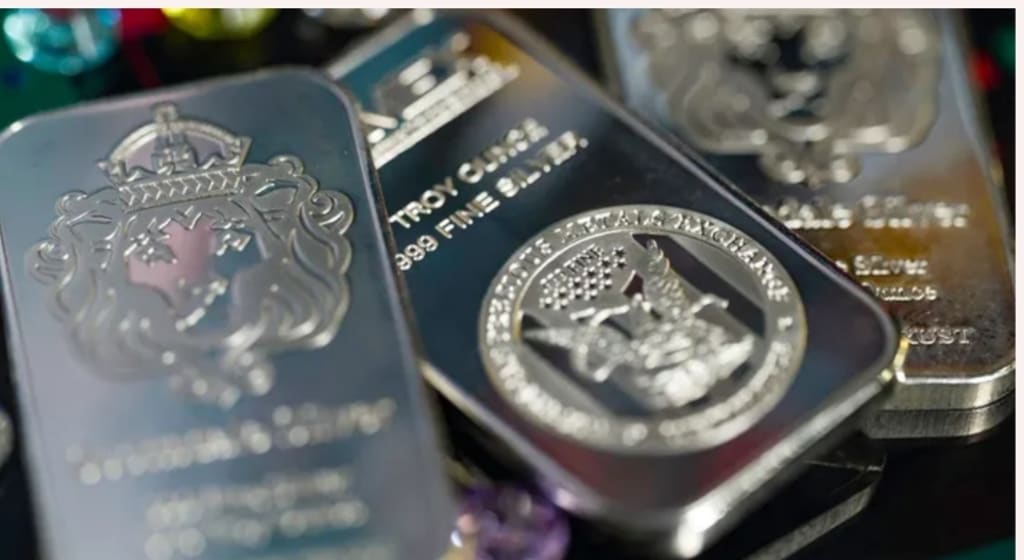
An unprecedented rally reshapes markets and investor expectations
Silver — often regarded as the “poor man’s gold” — has shattered conventional expectations in global commodity markets, surging toward an extraordinary price milestone of nearly $79 per ounce for the first time in history. The dramatic upswing in silver prices has captivated investors, industry analysts, and policymakers alike, highlighting a confluence of economic, industrial, and geopolitical forces that have driven the metal’s value into previously uncharted territory. �
Trading Economics +1
A Historic Breakout in Precious Metals
On December 26, 2025, silver prices climbed sharply, setting a fresh record close to $79.11 per troy ounce — a level that just weeks ago would have seemed implausible to all but the most bullish observers. This rally represents one of the most significant moves in silver’s price history and stands out against the backdrop of broader market volatility. �
Trading Economics
Silver has long been valued both as a precious metal and a key industrial commodity. While gold typically dominates headlines with its safe-haven appeal, this year’s performance in silver has eclipsed expectations, outperforming many traditional asset classes and signaling deep structural shifts in how the metal is traded and utilized. �
Forbes
Why Silver Is Rallying: Key Drivers Behind the Surge
1. Industrial Demand Explosion
One of the fundamental drivers of silver’s surge has been a sharp rise in industrial consumption. Silver is indispensable in many high-growth sectors, including renewable energy technologies (especially solar panels), electric vehicles, advanced electronics, and data centers. The rapid expansion of these industries has placed persistent pressure on physical supplies, even as demand continues to escalate. �
Wikipedia
Unlike gold, much of silver’s annual demand comes from industrial rather than investment uses, meaning that growth in sectors like clean energy and advanced manufacturing directly translates into tighter markets and upward price pressure.
2. Structural Supply Constraints
Global supply dynamics for silver have been tightening for years, with mine production struggling to keep pace with growing demand. Contributing to this imbalance are logistical issues, regulatory complexities, and declining ore grades in many established mining jurisdictions. As inventory levels at major exchanges dwindle, the market has become increasingly sensitive to even small shifts in supply. �
Wikipedia
This structural deficit — reinforced by dwindling stockpiles and insufficient new supply sources — has exacerbated price volatility and amplified upward momentum as investors anticipate further shortages.
3. Monetary Policy and Currency Dynamics
Silver’s rally has also been heavily influenced by expectations of U.S. Federal Reserve interest rate cuts and a weakening U.S. dollar. Lower interest rates tend to make non-yielding assets like precious metals more attractive, reducing the opportunity cost of holding them. A softer dollar further enhances the appeal of commodities priced in U.S. currency, drawing inflows from international buyers. �
Trading Economics
This combination of monetary easing expectations and currency dynamics has shifted investor sentiment toward silver, boosting demand from both retail and institutional participants.
4. Safe-Haven and Geopolitical Premiums
Heightening geopolitical tensions — ranging from diplomatic conflicts to uncertain global trade relationships — have underscored silver’s dual role as a safe-haven asset. While it does not traditionally carry gold’s cachet as a defensive store of value, recent market conditions have elevated silver’s status as a haven in times of economic stress. This behavioral shift has attracted cautious capital seeking protection against inflation, currency debasement, and broader market instability.
Market Impact: Winners, Losers, and Industry Repercussions
Industrial Users Under Pressure
While miners and investors are celebrating record prices, industrial users are grappling with higher input costs. Silver’s elevated valuation has intensified cost pressures for manufacturers in sectors where the metal is integral, including solar panel production and advanced electronics. Some companies are exploring alternatives or seeking “thrifting” technologies to reduce silver usage, though replacing it remains challenging due to its unmatched electrical and thermal properties. �
Wikipedia
Higher costs can ripple through supply chains, potentially slowing production or pushing higher prices onto end consumers for goods ranging from renewable energy products to smart devices.
Investment Community Takes Notice
The investment world has reacted with heightened interest. Exchange-traded products tied to silver have seen inflows, and speculative positioning has tightened as traders anticipate further gains. Some market participants are even forecasting that silver could challenge psychological thresholds such as $100 per ounce if current trends persist into 2026. �
Trading Economics
Retail investors, too, are tuning into the rally. Online sentiment and forecasts increasingly reflect optimism about silver’s continued ascent, bolstered by momentum and narratives of scarcity.
Historical Context: A Rally for the Ages
Silver’s ascent to nearly $79 per ounce marks one of the most dramatic rallies in its modern history. The previous nominal record — near the mid-$70s — was already seen as historic before this latest spike. The metal has outpaced many of its peers in sharpness and velocity, underscoring the extraordinary market conditions of late 2025. �
X (formerly Twitter)
For perspective, silver began the year trading below $30 per ounce, meaning 2025 has witnessed astonishing price expansion well in excess of 100%. This rapid escalation invites comparisons to past commodity booms and reinforces silver’s emerging prominence on both financial and industrial stages.
Looking Ahead: What Comes Next?
The market consensus remains mixed on whether silver can sustain these lofty levels. On one hand, supportive fundamentals — including robust industrial demand and persistent supply constraints — suggest that higher prices may persist. On the other, volatile markets and potential policy shifts could trigger corrective moves. Current forecasts hint at continued volatility, with possible resistance levels near $90–$100 per ounce should demand remain robust and Fed dovishness intensify. �
Trading Economics
Whether silver settles into new long-term territory or undergoes sharp corrections, its recent performance has indelibly altered perceptions of the metal’s strategic importance.
If you’d like, I can also create headline options, SEO meta descriptions, or social share blurbs optimized for Vocal Media publication!
About the Creator
Keep reading
More stories from Salaar Jamali and writers in Trader and other communities.
US Seeks Pakistani Partnership in Locomotive Sales and Mineral Exploration
The United States is actively pursuing deeper economic engagement with Pakistan, signaling renewed interest in locomotive sales and mineral exploration partnerships as part of a broader effort to strengthen bilateral trade and investment ties. The move reflects Washington’s growing focus on South Asia as a strategic economic region, while Pakistan looks to modernize its infrastructure and unlock the vast potential of its untapped natural resources. Recent discussions between US officials, American companies, and Pakistani counterparts highlight a pragmatic shift in relations—one that emphasizes commercial cooperation, private-sector investment, and long-term economic sustainability rather than purely geopolitical considerations. Revitalizing Pakistan’s Rail Sector One of the key pillars of this proposed partnership is locomotive sales and railway modernization. Pakistan Railways, once the backbone of national transport, has struggled in recent decades with aging rolling stock, inefficiencies, and declining freight capacity. With Pakistan aiming to revive its rail network as a cost-effective and environmentally efficient transport system, US manufacturers see an opportunity to supply modern diesel-electric and hybrid locomotives, signaling systems, and maintenance solutions. American locomotive producers are particularly well-positioned to offer high-horsepower, fuel-efficient engines designed for heavy freight corridors—an area Pakistan hopes to expand as it shifts cargo transport away from congested highways. Improved rail infrastructure would not only reduce transportation costs but also enhance regional connectivity between ports, industrial zones, and inland markets. For Pakistan, upgrading locomotives is about more than transport—it is a step toward economic competitiveness, improved logistics for exports, and job creation through localized maintenance and assembly partnerships. Mineral Exploration: A Strategic Opportunity Beyond railways, the US has expressed strong interest in Pakistan’s mineral sector, which remains largely underdeveloped despite its immense geological potential. Pakistan is believed to possess significant reserves of copper, gold, lithium, rare earth elements, coal, and industrial minerals, particularly in Balochistan and Gilgit-Baltistan. With global demand for critical minerals soaring—driven by renewable energy technologies, electric vehicles, and advanced manufacturing—the US is eager to diversify supply chains and reduce dependence on limited sources. Pakistan, in this context, offers both opportunity and strategic value. American companies bring advanced geological surveying technologies, environmentally responsible extraction methods, and global market access, which could help Pakistan transition from raw material exports to value-added mineral processing. Such collaboration could significantly boost Pakistan’s export earnings while ensuring sustainable and transparent mining practices. Economic Diversification and Mutual Benefit The push for cooperation aligns with Pakistan’s broader economic reform agenda, which seeks to diversify foreign investment sources and move beyond reliance on traditional partners. By engaging with US firms, Pakistan hopes to attract capital that prioritizes technology transfer, workforce development, and regulatory compliance. For the US, Pakistan represents a large emerging market of over 240 million people, strategically located at the crossroads of South Asia, Central Asia, and the Middle East. Strengthening commercial ties through locomotives and minerals allows Washington to promote rules-based trade, private enterprise, and economic stability in the region. This partnership model focuses on business-to-business engagement, supported by diplomatic facilitation rather than government-to-government financing. It reflects a growing US preference for leveraging private sector innovation to drive development outcomes. Addressing Challenges and Risks Despite the promise, several challenges remain. Pakistan’s mining sector has historically faced issues related to regulatory uncertainty, security concerns, and infrastructure gaps. US investors typically require clear legal frameworks, transparent licensing processes, and guarantees on contract enforcement before committing large sums. Similarly, large-scale railway modernization requires long-term planning, financing stability, and institutional reform within Pakistan Railways. Without governance improvements and operational efficiency, even the most advanced locomotives may struggle to deliver expected results. Both sides appear aware of these hurdles. Ongoing discussions emphasize policy reforms, investor protections, and public-private partnership models that distribute risk while ensuring accountability. Regional and Strategic Implications The US interest in Pakistan’s locomotive and mineral sectors also carries regional significance. Improved rail connectivity could strengthen Pakistan’s role as a trade and transit hub, linking ports with neighboring countries. Meanwhile, responsible mineral development could position Pakistan as a key supplier in global clean-energy supply chains. Importantly, this engagement does not aim to replace Pakistan’s existing partnerships but to broaden its economic options. Analysts suggest that diversified investment relationships reduce vulnerability to external shocks and enhance negotiating leverage on the global stage. From Washington’s perspective, economic cooperation offers a constructive way to remain engaged in South Asia amid shifting geopolitical dynamics, reinforcing stability through growth rather than military involvement. Looking Ahead As talks progress, concrete agreements on locomotive procurement, joint ventures, and mineral exploration licenses are expected to take shape over the coming months. If executed effectively, these partnerships could mark a new chapter in US-Pakistan relations—one defined by trade, technology, and shared economic interests. For Pakistan, success will depend on translating interest into implementation, ensuring reforms keep pace with ambition. For the US, sustained engagement and long-term commitment will be key to building trust and delivering mutual benefit. In a global economy increasingly shaped by infrastructure resilience and resource security, the emerging US-Pakistan partnership in locomotives and minerals may prove to be both timely and transformative. If you want, I can also provide a subtitle, category, SEO headline, or Vocal Media-style excerpt for this article.
By Salaar Jamali15 days ago in Trader
Australia Water Purifier Market: Health Awareness, Urban Living & Advanced Filtration Adoption
Australia Water Purifier Market The Australia water purifier market is witnessing strong growth as consumers and businesses increasingly prioritise access to safe, clean, and high-quality drinking water. Water purifiers — including reverse osmosis (RO) systems, ultraviolet (UV) purifiers, activated carbon filters, alkaline ionisers and ceramic filter systems — help remove contaminants such as bacteria, heavy metals, chlorine, sediments, and other impurities to improve taste, odour and overall water quality. The Australia water purifier market size reached USD 1,196.00 Million in 2024. Looking forward, the market is expected to reach USD 2,496.43 Million by 2033, exhibiting a growth rate (CAGR) of 8.52% during 2025-2033. This growth reflects rising health and hygiene awareness, increasing concerns over water quality, and expanding residential and commercial adoption of advanced purification technologies.
By Amyra Singh6 days ago in Trader
Bruce Lee and The God of War: Kuan Ti
It starts with love.. The Power to the God Of War and Wealth Walk into a Chinese restaurant (even in Oklahoma, USA), a Chinese police station, a kung fu martial arts studio or even a Chinese temple and you often see a red faced warrior holding a heavy quan-do (spear like weapon).
By WILD WAYNE : The Dragon King4 days ago in Chapters



Comments
There are no comments for this story
Be the first to respond and start the conversation.