
Shield Your Finances
5 Practical Steps to Protect Them from Economic Recession.


“The likelihood is that at some point next year, we’ll have a shallow recession”. An expert said. Said Chuck Minnich of Foundation Capital Management. "Consumers do need to prepare for that."
A recession is an extended period of dropping economic and industrial activity together with increasing unemployment. This indicates slower or negative economic growth when a country's gross domestic product decreases for two consecutive quarters.
The occurrence of a recession can causes a slowdown in economic activity which will affect businesses which means unemployment will rise, reducing people’s conformity, reducing job security, and decreasing the rate of investment as well.
Although a recession not yet happens experts advise us to get prepared for it before it happens so that we can avoid the harm that may occur.
To be on the safe side with the effects of recession there are important things needed to follow which will help you to protect your personal finances:
The first step is to look at your finances and create a monthly budget.
You need to understand your personal finance. The amount of money earned within a month. This will help to plan your monthly budget. The important thing you can do is familiarize yourself with your monthly budget. Because during that time your income will last as long as possible.
The knowledge of understanding how much money is flowing out of your pocketbook and where it’s going can help to identify the best course of planning.
Limit your expenses, particularly unnecessary expenses
After you know the amount, you earned and what you’re spending per month. This will be an important step ahead because it will give you where you can reduce expenses. Most of the time, those are not important purchases.
“You have to pay your rent; you have to pay your car insurance; you have to eat to live. Your groceries, your utilities — those are all going to be essential expenses,” says Lauren Anastasio, CFP, director of financial advice at Stash. “But dining out, vacations, cable — anything that you would potentially consider a luxury or a lifestyle expense — that’s discretionary spending.”
Starting small you can manage to reduce non-important expenses and this will put you in a good way of managing your expenses and particularly not important expenses.
Contribute More Towards Your Emergency Fund.
After reducing unnecessary expenditures, try to raise your savings budget as much as you can. You need to have extra money for emergencies. The first step in the process is to figure out how much you spend each month. Dedicate the appropriate amount from your paycheck and set it aside. Because
Your personal economic well-being depends on having some emergency cash on hand; it's commonly advised to have enough money to cover your expenses for three to six months. If you lose your job or have car troubles, you’ll have your emergency fund there to help out.
Before paying off other debt, consider your personal financial condition.
Based on an analysis of your income for one month after covering basic expenses. Can you afford to repay another debt if you take out a loan?
Avoid taking up loans that will be difficult for you to repay and will need you to use other savings.
If an emergency situation occurs when you are trying to pay down your debt, you will be forced to use credit cards yet another time to pay for the cost.
Brainstorm Innovative Ways to Make Extra Cash
Learn new skills that can earn you extra income outside of your official job. Find connections with friends and other people who can share various opportunities to earn extra income.
Better yet, strengthening your skill sets and pursuing more training could make you more marketable in your field.
Creating a network and maintaining strong connections with friends and workers in your field could also help you find new opportunities before they’re listed online in what’s bound to be a more competitive market.
In conclusion, the recession is inevitable, don't panic, be flexible and get prepared for it because things are changing drastically, and we cannot forecast the future with any degree of certainty.
Evidently, authorities should be taking steps to avoid downturns if they were simple to forecast and predict.
About the Creator
Lwinuso
Freelance Commercial Writer. I help your business create a persuasive and compelling message to attract more customers and boost sales.
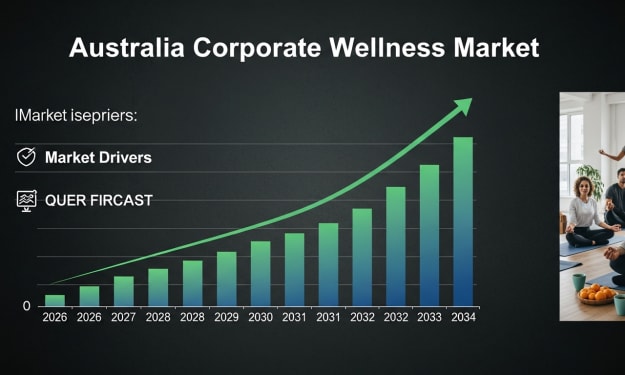
Australia Corporate Wellness Market Set to Expand Significantly Through 2033
The Australia corporate wellness market achieved a valuation of USD 2.0 billion in 2024 and is forecast to climb to USD 3.6 billion by 2033, representing a compound annual growth rate (CAGR) of 6.30% between 2025 and 2033. This upward trajectory highlights the increasing prioritization of employee health and wellness among Australian organisations, driven by broader workplace wellbeing trends, mental health awareness, and evolving delivery models. As employers strive to enhance productivity, reduce absenteeism, and attract talent, comprehensive wellness initiatives are becoming a staple of corporate strategy rather than optional benefits.
By Rashi Sharma2 days ago in Trader



Comments
There are no comments for this story
Be the first to respond and start the conversation.