
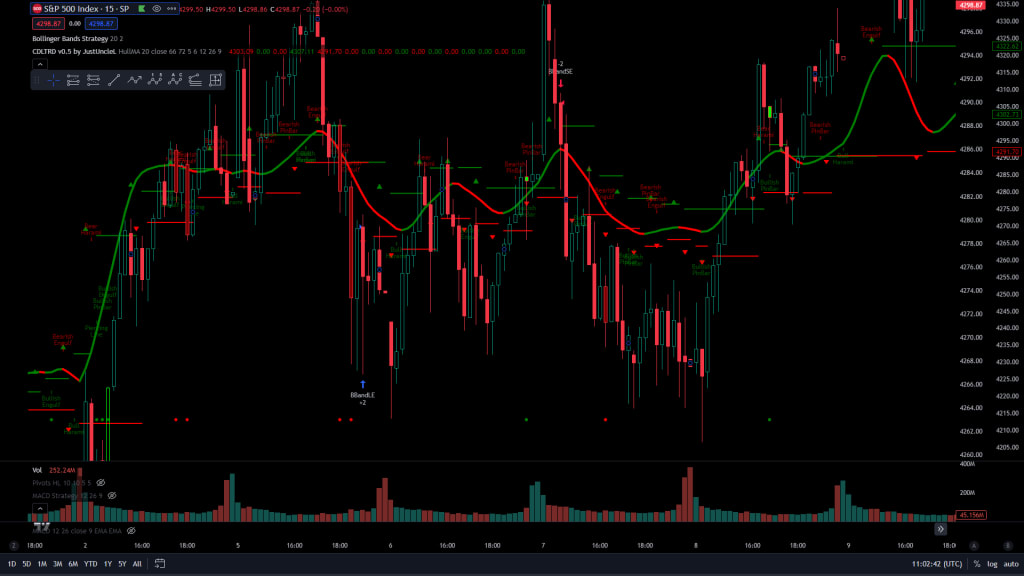
Trading is a captivating and fast-paced line of work that holds the potential to revolutionize traditional working models. It involves the buying and selling of financial instruments, such as stocks, currencies, commodities, and derivatives, with the primary objective of generating profits from short-term price fluctuations. With advancements in technology and the increasing accessibility of financial markets, trading has emerged as a viable option for individuals seeking financial independence and flexible working arrangements.
One of the key advantages of trading is the freedom it affords. Unlike conventional jobs that often require fixed schedules and physical presence, trading allows individuals to work from anywhere in the world as long as they have an internet connection. This flexibility provides traders with the opportunity to set their own hours and strike a balance between work and personal commitments, ultimately enabling a more harmonious lifestyle.
In addition to the freedom it provides, trading offers the potential for significant financial rewards. Successful traders have the ability to generate substantial profits by capitalizing on market trends and taking advantage of volatility. This potential for high returns has attracted many individuals to the field, as it offers the opportunity to accumulate wealth and achieve financial goals. However, it is important to note that trading also carries inherent risks, and losses are a possibility. It requires a deep understanding of market dynamics, risk management strategies, and the constant adaptation to ever-changing market conditions.
Commitment is a crucial aspect of being a trader. While trading offers flexibility, it also demands discipline and dedication. Traders must invest time in learning the intricacies of the financial markets, studying chart patterns, analysing economic indicators, and staying updated with news that can impact prices. Continuous learning and refining of trading strategies are essential to stay competitive in this field. Moreover, traders must possess emotional resilience to handle the psychological challenges that come with trading, such as dealing with losses, managing stress, and controlling impulsive decision-making.
The process of trading involves various stages, starting with market analysis and strategy development. Traders analyse market trends, study historical price data, and use technical and fundamental analysis to identify potential trading opportunities. They employ various tools and indicators to assess market sentiment, volatility, and momentum. Based on this analysis, traders develop trading strategies that outline entry and exit points, position sizing, and risk management parameters.
Once a trading strategy is formulated, traders execute trades in the market. They place orders to buy or sell financial instruments through online trading platforms or brokerage accounts. The execution process involves monitoring market conditions, managing positions, and making timely decisions to enter or exit trades. Traders employ different order types, such as market orders, limit orders, or stop orders, depending on their trading strategy and risk tolerance.
Risk management is a critical aspect of trading. Traders employ various techniques to manage and mitigate risks, aiming to preserve capital and protect against substantial losses. Risk management involves setting stop-loss orders, which automatically close a trade if the price reaches a predetermined level, limiting potential losses. Traders also diversify their portfolios by investing in different assets or sectors to spread risk. Additionally, position sizing is a vital aspect of risk management, as traders allocate a specific portion of their capital to each trade based on their risk-reward ratio.
Trading is subject to market uncertainties and volatility. Financial markets can experience rapid price fluctuations, driven by economic events, geopolitical developments, or investor sentiment. These market dynamics can create both opportunities and challenges for traders. During periods of high volatility, traders may experience increased profit potential, but it also amplifies the risks of losses. The ability to adapt to changing market conditions and maintain a disciplined approach is crucial to navigating the ups and downs of this line of work successfully.
While trading offers the potential for financial rewards, it is not without its downsides. The pressure to perform and the need to make split-second decisions can create stress and psychological strain. Traders must manage
About the Creator
Keep reading
More stories from writers in Trader and other communities.
Why Tax Refunds Are So High in 2026: New Tax Laws, More Checks, and Risks to the Budget
Millions of Americans are in for a financial shock as the 2026 tax filing season begins: "tax refunds this year are on track to be the largest in U.S. history." This comes as a result of sweeping tax changes signed into law in 2025 that dramatically altered how taxes are calculated and withheld, leaving many workers with bigger refund checks than they’ve seen in years.
By Raviha Imranabout 14 hours ago in Trader
As U.S.-European trade tensions cause a "Transatlantic Tantrum," global markets fall.
This week, geopolitical tensions between the United States and key European allies grew, causing a broad sell-off in stocks, increased demand for safe-haven assets, and increased volatility across major asset classes in global financial markets. A contentious dispute involving the United States is at the center of the chaos. President Donald Trump’s aggressive tariff threats against eight European nations in connection with his bid to influence control over Greenland — a move that has quickly escalated into a flashpoint for transatlantic relations and market sentiment.
By Raviha Imran7 days ago in Trader
10 Times Rotten Tomatoes and I Disagreed
***Disclaimer*** I will be ranking these movies in the following manner: The greater the divide between Rotten Tomatoes and I, the higher up on the list (and I am referring to the critic's score, not the audience score). I will also show Rotten Tomatoes' score on each one in addition to my score. I am curious to know what everyone thinks, please let me know in the comments below!
By Madison "Maddy" Newton2 days ago in Geeks


Comments
There are no comments for this story
Be the first to respond and start the conversation.