
Regulatory Compliance and Water Level Monitoring in Cooling Towers
Introduction
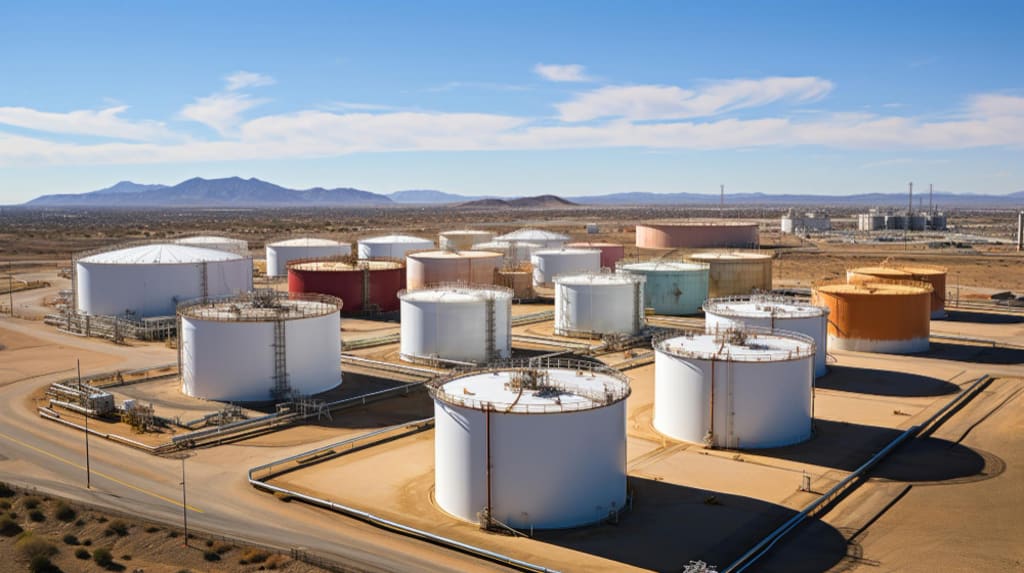
Cooling towers are critical components in various industrial processes, pivotal for dissipating excess heat and maintaining optimal operating conditions. However, ensuring their efficient operation involves more than just design and functionality—it necessitates strict adherence to regulatory standards. This blog explores the significance of regulatory compliance in cooling tower operations, focusing extensively on water level monitoring and the pivotal role played by advanced sensors like the cooling tower water level sensor.
The Importance of Regulatory Compliance in Cooling Tower Operations
Regulatory compliance is paramount in the realm of cooling tower operations due to several compelling reasons:
1. Environmental Impact Mitigation: Cooling towers consume substantial amounts of water and chemicals, potentially impacting local water resources and ecosystems if not managed properly.
2. Public Health Concerns: Poorly maintained cooling towers can harbor bacteria such as Legionella, posing significant health risks through airborne transmission.
3. Energy Efficiency Optimization: Compliance ensures that cooling towers operate efficiently, minimizing energy consumption and reducing greenhouse gas emissions.
4. Legal Obligations: Companies must comply with local, national, and international regulations to avoid penalties, legal repercussions, and damage to their reputation.
The Significance of Water Level Monitoring in Cooling Towers
Water level monitoring stands out as a critical aspect of efficient cooling tower operation. Maintaining appropriate water levels ensures:
- Enhanced Heat Dissipation: Proper water levels facilitate optimal heat transfer efficiency, preventing equipment overheating and potential breakdowns.
- Effective Chemical Treatment: Accurate water level monitoring enables precise chemical dosing, crucial for preventing corrosion, scaling, and the growth of harmful microbes.
- Operational Safety Assurance: Continuous monitoring helps prevent overflow or low water conditions, which can lead to equipment damage and compromise operational safety.
The Role of the Cooling Tower Water Level Sensor
Among the technological advancements driving modern cooling tower management, the cooling tower water level sensor stands out as a crucial innovation. These sensors offer:
- Precision and Accuracy: Advanced sensors provide precise measurement capabilities, ensuring water levels are maintained within optimal ranges to improve overall operational efficiency.
- Automation and Integration: Integration with sophisticated control systems allows for real-time adjustments and immediate alerts, minimizing the need for manual monitoring and intervention.
- Reliability in Harsh Environments: Designed to withstand the demanding conditions typical of cooling tower installations, these sensors offer robust performance and longevity.
- Facilitation of Regulatory Compliance: By enabling continuous monitoring and comprehensive reporting capabilities, these sensors assist companies in meeting and exceeding regulatory requirements effectively.
Regulatory Standards and Guidelines: A Framework for Compliance
Various regulatory bodies worldwide establish and enforce standards and guidelines specific to cooling tower operations, including:
• Environmental Protection Agency (EPA): Offers guidelines on water management practices aimed at reducing environmental impact and ensuring sustainability.
• Occupational Safety and Health Administration (OSHA): Focuses on worker safety, including measures to prevent occupational hazards such as Legionella contamination.
• International Standards: Standards like ISO 14001 (Environmental Management Systems) and ISO 50001 (Energy Management Systems) provide internationally recognized frameworks for compliance and continuous improvement.
Implementing Best Practices for Regulatory Compliance
Achieving and maintaining regulatory compliance in cooling tower operations entails adopting and implementing best practices such as:
• Regular Inspections and Audits: Scheduled inspections ensure equipment and water quality meet regulatory standards and identify potential issues promptly.
• Adherence to Maintenance Protocols: Following manufacturer-recommended protocols for cleaning, maintenance, and repair ensures equipment longevity and operational efficiency.
• Comprehensive Data Logging and Documentation: Keeping detailed records of water levels, chemical treatments, maintenance activities, and compliance-related documentation aids in demonstrating adherence to regulatory requirements.
• Employee Training and Competency Development: Providing comprehensive training programs ensures that personnel are well-versed in safe operating practices, regulatory compliance requirements, and emergency response procedures.
Conclusion
In conclusion, regulatory compliance plays a pivotal role in ensuring the sustainable and efficient operation of cooling towers. Water level monitoring, facilitated by advanced technologies such as the cooling tower water level sensor, is integral to achieving compliance while enhancing operational efficiency and safety. By adhering to regulatory standards, implementing best practices, and leveraging innovative solutions, industries can not only safeguard their operations but also contribute positively to environmental conservation and public health. Embracing these principles and technologies is crucial for building a resilient and sustainable future in industrial cooling tower management.
About the Creator
Keep reading
More stories from writers in Trader and other communities.
Australia Ferrous Scrap Recycling Market Set to Surge as Sustainable Steel Demand and Policy Support Intensify
The Australia ferrous scrap recycling market reached USD 4.6 Million in 2025 and is forecast to grow to USD 7.6 Million by 2034, expanding at a CAGR of 5.85% during 2026–2034.
By Rashi Sharma7 days ago in Trader
Asia-Pacific Yeast Market Trends & Summary
Introduction: A Fermentation Boom Across Asia-Pacific The Asia-Pacific yeast market is entering a decisive growth phase, driven by powerful shifts in food consumption, energy policies, and health-conscious consumer behavior. According to Renub Research, the Asia-Pacific Yeast Market is expected to reach US$ 4.96 billion by 2033, rising from US$ 2.25 billion in 2024, registering a strong CAGR of 9.2% from 2025 to 2033. This impressive trajectory reflects how yeast has moved beyond its traditional role in baking and brewing to become a critical input for bioethanol production, pharmaceuticals, animal feed, and functional nutrition.
By shibansh kumar2 days ago in Trader
Bartender
On the heels of grief, pain bears down hard. On the heels of death, pain awakens the quiet place between the end of our own life and now. Feeling anything is like seeing a film and in black and white, slow motion, all sound turned off. Just watching. Gritting teeth, awkward smiles and bloody red eyes move around, scanning the others who are feeling something I don't want to feel, but I do. Escapism is all I have ever known. ~
By ROCK aka Andrea Polla (Simmons)5 days ago in Poets




Comments
There are no comments for this story
Be the first to respond and start the conversation.