
Proof of Stake vs. The World: Understanding the Energy Efficiency Debate in Crypto
Proof of Stake vs. The World
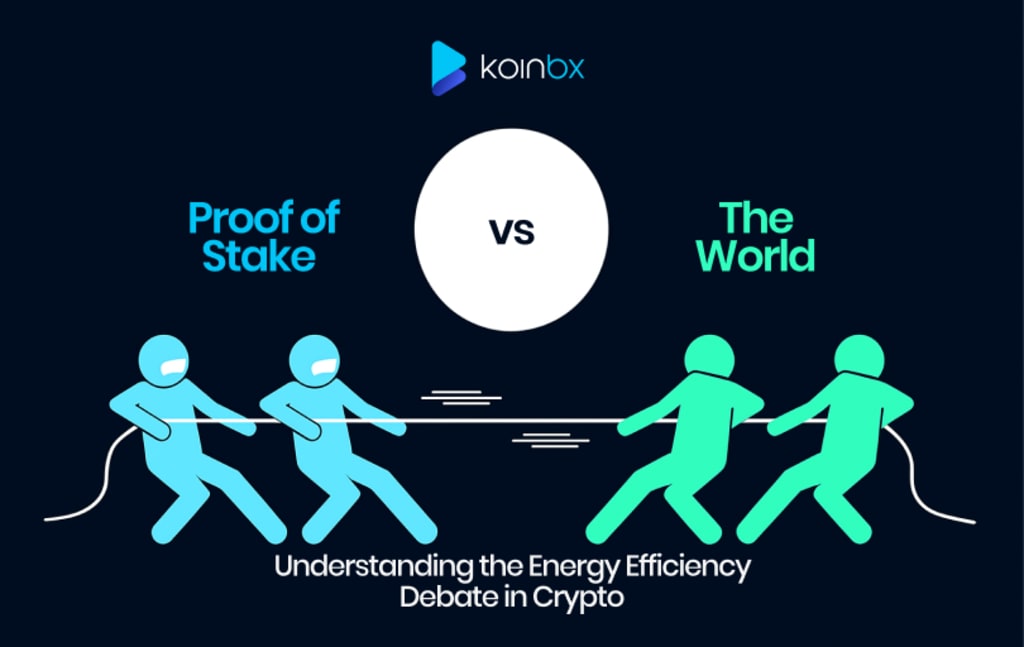
The crypto space is a dynamic, exciting, and idea-rich environment. However, one of the primary concerns for many people is energy use. What is the actual electricity consumption of crypto assets? Are there any more environmentally friendly or better ways to operate these systems?
This blog will cover Proof of Work (PoW) and Proof of Stake (PoS), the two main system types that power blockchains. In addition to this, we will see the increasing controversy surrounding Bitcoin's energy usage, the rise in popularity of energy-efficient crypto assets, and the implications of these developments for coin investing and exchange selection.
Why Does Crypto Consume Energy?
Before we get into the argument, let's examine the initial need for energy.
Blockchain technology, a digital record with securely recorded transactions, is the foundation of the majority of cryptocurrencies. But to make sure no one cheats the system, the network needs a way to agree on what’s true.
What Is Proof of Work?
Proof of Work (PoW) was the first method used in crypto. Bitcoin, the most famous crypto, still uses this system.
In Proof of Work:
- To solve challenging math problems, powerful computers compete.
- The next block of transactions is added to the blockchain by the first person to solve it.
- Bitcoin and other coins are awarded to the "winner."
What Is Proof of Stake?
With Proof of Stake (PoS), many of the more recent cryptos have addressed the energy problem.
In proof of stake:
- There’s no need for powerful computers to do hard calculations.
- Instead, people “stake” their coins to help secure the network.
- The more coins you stake, the higher your chances of being chosen to add the next block.
- It uses much less energy than PoW.
This makes it a more energy-efficient crypto solution.
Bitcoin Energy Consumption vs. Energy-Efficient Alternatives
Now let's see the numbers in more detail.
- Bitcoin's annual energy use is often compared to that of entire countries.
- On the other hand, only a small portion of that power is used by certain energy-efficient crypto projects.
Why This Debate Matters for Everyday Users
If someone is really interested in investing, trading, or just learning more about crypto, this energy debate might seem technical. But it affects you more than you think.
Here’s why:
1. Choosing the Right Coin
You may have a preference for coins that use energy-efficient crypto technology when choosing which ones to support or purchase. It contributes to lowering carbon footprints and is consistent with sustainability ideals.
2. Trading on a Crypto Exchange
A lot of people purchase, sell, or trade digital assets on crypto exchanges. Some exchanges are now providing tools that display the environmental impact of your trades and list more environmentally friendly coins.
Choose a crypto exchange with green policies or support for PoS-based coins.
3. Public Opinion and Regulations
Governments and environmental organizations are keeping a close eye on the crypto asset market. If energy use becomes too high, stricter rules could be introduced. This might affect the price of coins or how exchanges operate.
Being aware of the Bitcoin energy consumption debate helps you make informed decisions and avoid unexpected outcomes.
The Future of Crypto and Energy
The good news is that the world of crypto is rapidly changing.
- From the beginning, more projects have been using energy-efficient crypto systems.
- Some older projects are upgrading from PoW to PoS.
- To combine the best features of both worlds, developers are also creating hybrid models.
The use of more renewable energy, increasing mining efficiency, and offsetting carbon emissions are all topics of continuous discussion, even within Bitcoin.
Users are growing more aware at the same time. Before purchasing, investors now inquire, "Is this coin eco-friendly?"
Final Thoughts
The debate between proof of work and proof of stake is not only a technical one; it also has implications for financial stability, technology, and the planet's future. Even though Bitcoin's energy consumption is still a problem, the emergence of crypto assets with lower energy consumption gives hope for a more sustainable future.
Crypto is a worldwide movement that goes beyond a simple numerical representation. Let's make sure it promotes both the environment and innovation.
About the Creator
Keep reading
More stories from koinbxcrypto and writers in Trader and other communities.
Earn Crypto: Beyond Mining, Exploring New Avenues
Crypto has come a long way from the early days of mining. Mining is the process of using your computer to solve challenging math problems, which was the only safe way to make crypto back then. However, a lot has changed. These days, you can make digital money without costly equipment or technical expertise.
By koinbxcrypto7 months ago in Trader
United States Interactive Whiteboard Market Size and Forecast 2025–2033
Introduction The United States is undergoing a significant transformation in how information is shared, taught, and collaboratively developed. From digital classrooms and university lecture halls to corporate boardrooms and remote work environments, interactive technologies are redefining traditional communication tools. Among these, interactive whiteboards (IWBs) have emerged as one of the most powerful and versatile platforms for enhancing engagement, productivity, and real-time collaboration.
By Marthan Sir4 days ago in Trader
Australia Faucet Market Flows Toward Strong Growth on Construction, Water Efficiency & Smart Tech Adoption
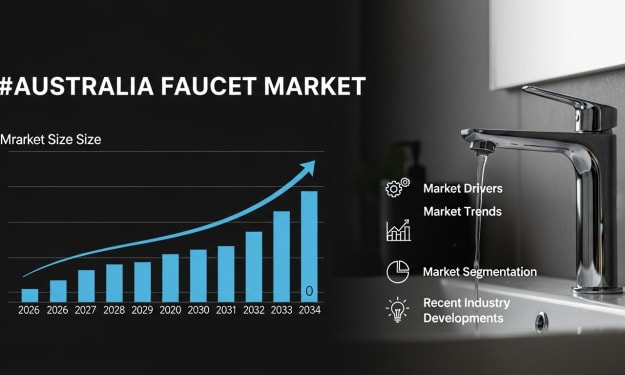
The Australia faucet market is experiencing a dynamic growth phase as consumer demand, regulatory momentum, and construction activities converge to drive broader adoption of modern plumbing fixtures. According to IMARC Group, the market was valued at USD 661.13 Million in 2025 and is expected to reach USD 1,142.71 Million by 2034, exhibiting a compound annual growth rate (CAGR) of 6.27% over 2026–2034.
By Rashi Sharma4 days ago in Trader



Comments
There are no comments for this story
Be the first to respond and start the conversation.