
President Donald Trump’s Executive Orders
A Simple Overview

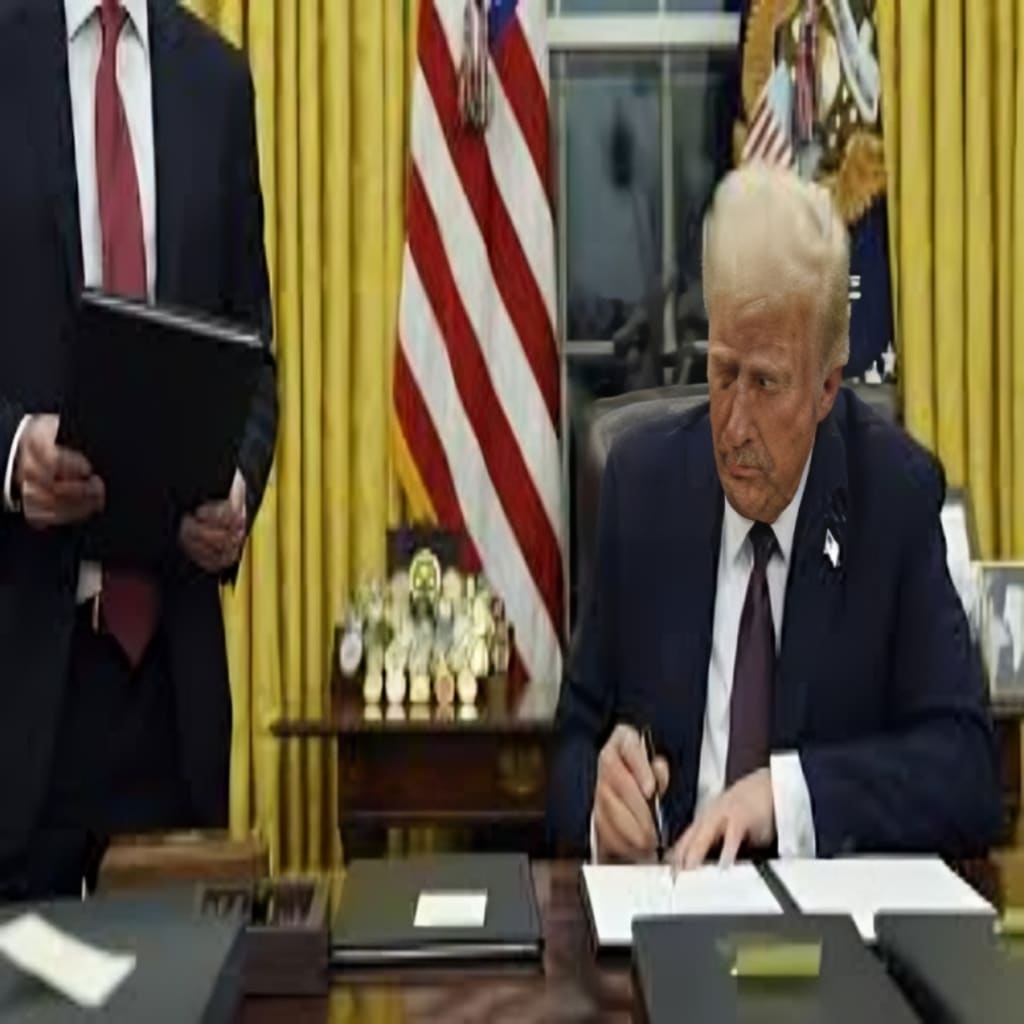
Executive orders are official actions taken by a U.S. president to manage the government and address key issues. They have the power of law but do not require approval from Congress. During his presidency from 2017 to 2021, Donald Trump used executive orders to address various topics, from immigration to healthcare and the economy. Let’s take a closer look at some of the most notable executive orders issued by President Trump in simple and easy-to-understand language.
What Are Executive Orders?
Before diving into specific actions, it’s important to understand what executive orders are.
They are instructions from the president to federal agencies, telling them how to enforce existing laws or manage operations.
Executive orders cannot create new laws or go against existing ones, but they can influence how laws are applied.
President Trump issued over 200 executive orders during his time in office. These orders touched on a wide range of issues and often sparked debate and discussion.
Key Executive Orders from Donald Trump
1. Immigration Policies
Immigration was one of the main focuses of Trump’s presidency. He issued several executive orders aimed at tightening border security and changing immigration rules.
Travel Ban: One of Trump’s first and most controversial executive orders was the “travel ban.” This order restricted travel from several predominantly Muslim countries, citing national security concerns. It faced legal challenges but was eventually upheld by the Supreme Court in a modified form.
Border Wall Construction: Trump signed orders to redirect funds for building a wall along the U.S.-Mexico border. He believed this would help reduce illegal immigration and drug trafficking.
2. Healthcare
Healthcare was another important area for Trump’s executive actions.
Affordable Care Act (Obamacare): Trump signed orders to minimize the impact of the Affordable Care Act, making it easier for individuals to opt out of certain requirements.
Drug Prices: He issued orders aimed at lowering prescription drug prices, including one that allowed states to import cheaper drugs from other countries.
3. Economy and Jobs
Trump focused on boosting the economy and creating jobs.
Energy Independence: An order was signed to promote U.S. energy independence by expanding oil and gas production and rolling back environmental regulations.
Buy American, Hire American: This order encouraged federal agencies to prioritize American-made goods and services and to review immigration programs to ensure they benefit U.S. workers.
4. COVID-19 Pandemic Response
During the COVID-19 pandemic, Trump issued orders to address the crisis.
Eviction Moratorium: An order was signed to temporarily halt evictions for renters affected by the pandemic.
Economic Relief: Trump used executive actions to extend unemployment benefits and delay payroll tax payments for workers.
5. Environmental Regulations
Trump’s executive orders often focused on reducing environmental regulations to benefit industries like coal, oil, and gas.
Withdrawal from the Paris Climate Agreement: One of Trump’s most significant actions was withdrawing the U.S. from the global Paris Climate Agreement, arguing it was unfair to American businesses.
6. Criminal Justice and Policing
After nationwide protests over racial injustice in 2020, Trump issued orders related to law enforcement.
Policing Standards: An order encouraged police departments to adopt best practices, such as banning chokeholds except when officers’ lives are in danger.
Supporters and Critics of Trump’s Executive Orders
Like all presidential actions, Trump’s executive orders had both supporters and critics.
Supporters: Many of Trump’s supporters praised his decisive actions, especially on immigration and the economy. They believed his orders protected national security, boosted jobs, and promoted American values.
Critics: Others argued that some of his orders were rushed or unconstitutional. For example, the travel ban faced multiple legal challenges, and some environmental rollbacks were criticized for harming the planet.
How Do Executive Orders Impact the U.S.?
Executive orders can have a big impact because they guide how federal agencies operate. However, their effects can be temporary. A new president can reverse or modify previous orders. For example, when President Joe Biden took office in 2021, he quickly signed orders to undo many of Trump’s policies, including rejoining the Paris Climate Agreement and ending the travel ban.
Conclusion
President Donald Trump used executive orders to address many issues, from immigration and healthcare to the economy and environmental policies. These orders reflected his priorities and sparked both praise and criticism.
While executive orders allow presidents to act quickly, they often lead to debates about their long-term impact and fairness. Trump’s presidency showed how executive orders can shape a leader’s legacy and influence the nation, even after their term ends. As with all presidential actions, their true effects will be judged over time
About the Creator
Farhan Sayed
Hi, I’m Farhan Sayed 🌹! I’m here to share stories, thoughts, and maybe sprinkle a little magic along the way. ✨
💡 Passion for:
Exploring new ideas 🧠
Writing from the heart ❤️
Inspiring and connecting with amazing souls like you 🌍
Keep reading
More stories from Farhan Sayed and writers in Trader and other communities.
What Time Is the Inauguration on TV
Inauguration Day is one of the most important events in the political life of a country, especially in the United States. It is the day when a newly elected president officially takes office. For many people, this is a time of hope, celebration, and reflection. Watching the inauguration on TV has become a tradition for millions of people. If you are wondering, "What time is the inauguration on TV?" this article will provide you with all the details in simple and easy English.
By Farhan Sayedabout a year ago in Trader
XRP USD Price Analysis: Market Movement, Trends, and Future Outlook
XRP USD: Market Trends, Price Analysis, and Investment Outlook The XRP USD trading pair is one of the most actively monitored combinations in the cryptocurrency market. As digital assets continue gaining global recognition, XRP remains among the most discussed cryptocurrencies due to its technology and strong role in digital payments. Investors and traders often analyze the XRP USD price to understand market sentiment and identify potential opportunities in the rapidly evolving crypto landscape.
By Hammad Nawazabout 14 hours ago in Trader
Travel Bags Market Trends: Smart Design, Sustainability, and AI Innovation
Overview of the Travel Bags Market The travel bags market has evolved significantly over the past decade due to rapid urbanization, increasing disposable income, and the growing popularity of domestic and international travel. Travel bags include luggage, backpacks, duffel bags, trolley bags, and business travel cases designed for convenience, durability, and style. Consumers today are not only looking for functional products but also for fashionable, lightweight, and technologically advanced travel accessories.
By James Smith7 days ago in Trader



Comments
There are no comments for this story
Be the first to respond and start the conversation.