
Philippines Warehousing Market 2026: Set to Surge to USD 706.8 Million by 2034 on E-Commerce & Logistics Growth
Strategic collaborations, supply chain optimization, and booming e-commerce are fueling steady growth in the Philippine warehousing industry.

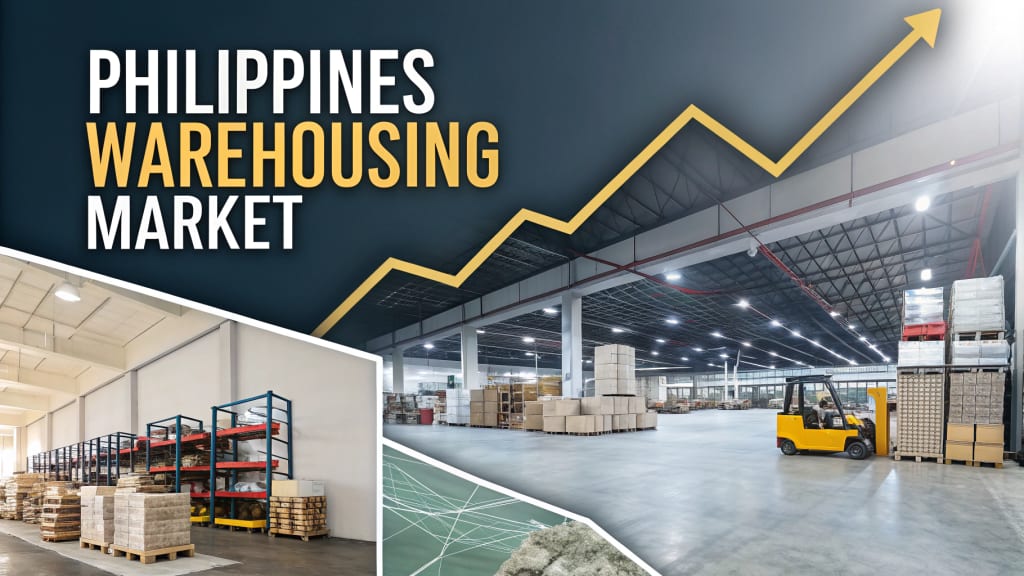
Philippines Warehousing Market Overview
The Philippines warehousing market growth is gearing up for sustained growth over the next decade as logistics, e-commerce, and supply chain modernization take center stage in the country’s economic expansion. According to IMARC Group, the market was valued at USD 441.7 million in 2025 and is projected to reach USD 706.8 million by 2034, growing at a compound annual growth rate (CAGR) of 5.20 % during 2026–2034. This steady trajectory underscores the rising strategic importance of warehousing infrastructure in supporting trade, distribution, and industrial activities across the Philippines.
Warehousing facilities — spanning general storage, cold storage, container freight depots, and specialized logistics hubs — are evolving from mere storage spaces to dynamic nodes in modern supply chains. As global and domestic demand for faster, more reliable fulfillment increases, businesses and investors are paying closer attention to the warehousing market as a foundation for digital commerce, local manufacturing, and export growth. This story matters for stakeholders seeking opportunities in infrastructure, logistics, and real estate sectors within the Southeast Asia growth narrative.
Why the Market Is Growing So Rapidly
A primary driver of warehousing growth in the Philippines is the rapid expansion of the e-commerce sector. As online shopping becomes an integral part of consumer behavior, companies require extensive storage facilities, fulfillment centers, and last-mile distribution hubs to meet expectations for fast delivery and streamlined inventory management. E-commerce sales in the Philippines are forecast to reach significant figures by 2025, prompting logistics providers and third-party operators to expand capacity and invest in advanced warehousing technologies.
Closely related is the increasing focus on supply chain optimization. Businesses are rethinking traditional logistics models in favor of integrated systems that reduce lead times, improve inventory accuracy, and enhance responsiveness to market demand. Warehousing facilities equipped with automated inventory tracking, optimized layouts, and real-time connectivity are becoming vital for companies aiming to improve efficiency and cut operational costs.
Collaborations among key market players are another pivotal factor. Warehousing developers are increasingly partnering with logistics firms, financial investors, and institutional partners to design and build custom-fit facilities that cater to specific client needs. These strategic alliances not only bring capital into warehouse construction but also help scale operations and diversify service offerings across regions.
The rising demand for cold storage and specialized facilities further supports growth. As consumer markets for food and pharmaceuticals grow, so does the need for temperature-controlled warehouses that can preserve quality and adhere to regulatory standards. Cold storage segments are important for maintaining the integrity of perishable goods, and operators investing in these technologies are well-positioned to capture niche growth opportunities.
Lastly, favorable government initiatives aimed at improving infrastructure connectivity and supply chain resilience are bolstering the warehousing sector. Coordinated efforts to enhance transport links, port access, and trade facilitation encourage investment in warehousing nodes that can serve both domestic and regional logistics networks.
Request a Sample Report with the Latest 2026 Data & Forecasts
What the Opportunities Are
1. Modern Fulfillment Centers
Demand for modern, tech-enabled fulfillment centers remains strong as e-commerce retailers and logistics companies seek faster order processing and improved customer satisfaction.
2. Cold Chain Expansion
Facilities with temperature-controlled storage present a high-growth opportunity, especially given expanding food, pharmaceutical, and perishable goods distribution.
3. Multi-Tenant Warehousing Assets
Multi-tenant warehouse developments attract smaller logistics operators and businesses that need scalable storage solutions without heavy capital expenditure.
4. Partnerships with 3PL/4PL Providers
Collaborations with third and fourth-party logistics providers enhance service portfolios and fill gaps in supply chain execution — an advantage for investors looking to diversify.
5. Strategic Land and Infrastructure Investments
Acquiring land near key transport corridors and growth districts (e.g., Metro Manila, CALABARZON) offers long-term value appreciation and operational efficiencies.
6. Tech-Enabled Inventory Management
Warehouses integrating IoT, AI, and real-time tracking systems demonstrate operational excellence and command premium pricing for higher-value services.
7. Regional Distribution Hubs
Growth in peripheral cities and provincial locales creates demand for regional distribution hubs that reduce delivery lead times and address inter-island logistics complexities.
Recent News & Developments
• March 2025: Government Infrastructure Allocations Boost Logistics Planning: The Philippine government announced increased funding for supply chain infrastructure with a multi-billion-dollar allocation aimed at enhancing connectivity and logistics efficiency nationwide, laying the groundwork for expanded warehousing investments and smoother goods flow. This has strengthened investor confidence in long-term warehousing development projects.
• June 2025: UPS Commences New Logistics Hub at Clark: Global logistics leader UPS began constructing a major logistics and warehousing hub at Clark International Airport, marking a significant expansion of its Asia Pacific operations and demonstrating strong private sector commitment to enhanced freight and storage capacity.
• September 2025: Warehouse Occupancy Soars Amid Rising Demand: Industry reports indicated an 80 % surge in warehouse demand in the first half of 2025, with supply expanding by millions of square meters and near-full occupancy rates in key regions like Cebu, highlighting intense usage and market tightness in industrial storage space.
Why Should You Know About the Philippines Warehousing Market?
For investors, the Philippines warehousing market represents a stable, growth-oriented opportunity anchored in the broader evolution of digital commerce and supply chain sophistication. A projected increase from USD 441.7 million to USD 706.8 million by 2034 reflects both demand resilience and strategic value creation in logistics infrastructure.
For businesses, optimized warehousing capabilities are key to meeting consumer expectations, reducing operational bottlenecks, and gaining a competitive edge in a fast-evolving distribution landscape. Integrating technology and location strategy enhances service delivery and cost efficiency.
For policy makers, recognizing the warehousing sector’s role in supporting trade, employment, and economic growth underscores the importance of conducive policies, infrastructure investment, and public-private partnerships in advancing national logistics performance.
About the Creator
Keep reading
More stories from Manisha Dixit and writers in Trader and other communities.
Philippines Smartphone Market 2026: Slowly Expands to USD 588.1 Million by 2034 on Rising Connectivity and Digital Adoption
Philippines Smartphone Market Overview The Philippines smartphone market is evolving alongside broader technological adoption trends, reflecting a stable but moderate expansion outlook for the coming decade. According to a recent IMARC Group report, the market reached a size of USD 563.5 million in 2025 and is projected to grow to USD 588.1 million by 2034, demonstrating an incremental increase as the nation deepens its digital infrastructure and consumer connectivity.
By Manisha Dixita day ago in Trader
Feelings Never Die
It is Valentine's Day again, and it bought back memories that were over fifty years old. It bought me back to 1971, and I woke up and I knew my baby was due today. I was big and pregnant, and I felt like I was about to burst wide open. Imagine my surprise when the doctor told my I had a due date of February 14. I couldn't believe it, and since my baby was due today, I felt I could indulge myself a bit. I had gained a lot of weight, and chocolate was on the no-no list, but I had came to the end of this pregnancy, and I hoped it would be okay, after all I would deliver this baby today. So I walked across the street to the grocery story, and bought myself, a peppermint patty, covered in chocolate, my favorite. Me and my Valentine's baby would enjoy it together.
By Susan Payton6 days ago in Fiction



Comments
There are no comments for this story
Be the first to respond and start the conversation.