
Philippines Microgreens Market: Wellness Eating, Urban Farming & Premium Produce Demand
How rising health consciousness, urban agriculture trends and retail expansion are shaping the microgreens market in the Philippines

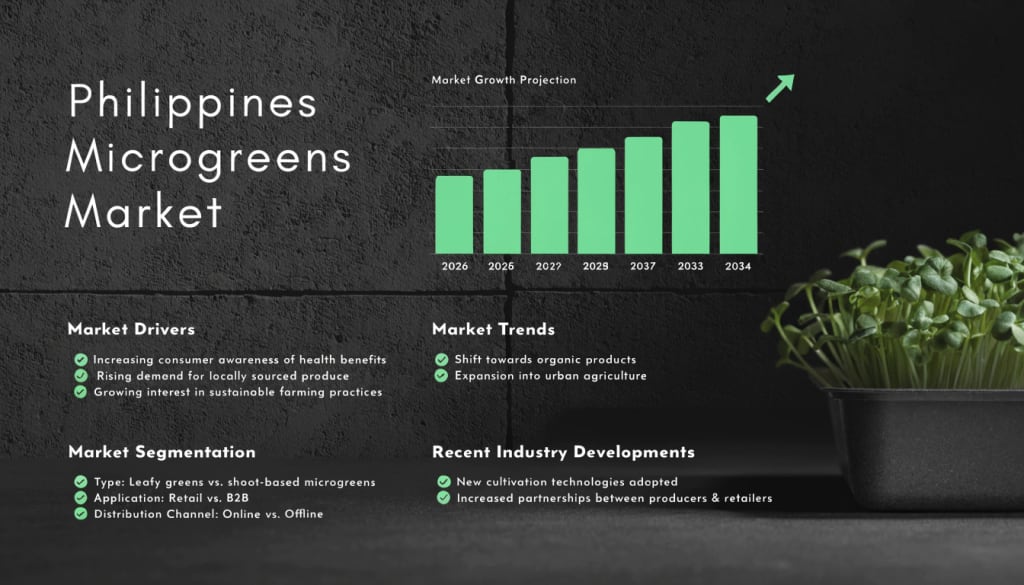
The Philippines microgreens market is experiencing steady growth as consumers increasingly embrace nutrient-dense foods, premium produce options and innovative cultivation methods such as urban and vertical farming. Microgreens — young, tender greens harvested shortly after sprouting — are celebrated for their intense flavour, vivid colours and concentrated nutrient profiles, making them desirable in health-conscious diets, modern culinary experiences and wellness-focused food trends. According to IMARC Group, the Philippines microgreens market was valued at USD 37.96 million in 2025 and is projected to reach USD 67.88 million by 2034, growing at a compound annual growth rate (CAGR) of 6.67% from 2026–2034. This robust growth reflects evolving consumer preferences, broader retail access, and rising interest in functional and fresh produce in both urban and regional areas.
Microgreens have gained traction not just among gourmet restaurants and home chefs but also among fitness enthusiasts, vegetarians and families seeking fresh, nutrient-rich additions to salads, sandwiches, smoothies and garnishes. Their vibrant market expansion underscores a shift toward premium, flavour-packed produce and a willingness among Filipino consumers to integrate novel foods into daily eating patterns.
What’s Driving Market Growth?
Health and Nutrition Education
An increasing number of Filipino consumers are focusing on diets abundant in vitamins, antioxidants, and plant-derived nutrients — particularly in light of global wellness trends that highlight fresh produce and foods that support immunity. Microgreens are frequently promoted as superfoods because they contain greater per-gram levels of vitamins and phytonutrients than mature greens, attracting health-focused consumers and those mindful of their diets.
Urban Development & City Farming
Urban life and limited space have led to the emergence of vertical, hydroponic, and indoor farming methods that enable local microgreens cultivation. Urban and peri-urban farmers can produce microgreens with minimal resource usage, providing fresh supplies for local markets, restaurants, and health food shops. These farming techniques likewise lower logistical expenses and shorten supply chains in comparison to conventional agriculture.
Gourmet & Culinary Trends
Chefs and culinary innovators increasingly incorporate microgreens into modern cuisine — from restaurant plates and fine dining presentations to home-cooked meals and food blogs. Microgreens’ visual appeal, flavour intensity and versatility make them popular garnishes and ingredients in salads, soups, breakfast bowls and craft beverages, driving demand in foodservice as well as retail channels.
Retail Expansion & Distribution Channels
The Philippines microgreens market is supported by expanding distribution networks including supermarkets, specialty food stores, organic markets, farmers’ markets and online platforms. Retailers are adding fresh, premium produce sections to attract health-conscious shoppers, while e-commerce channels enable convenient ordering with home delivery — extending accessibility beyond major urban centres.
What the Opportunities Are?
Innovation in Product Variety & Packaging
There is strong potential for growers and suppliers to expand microgreens offerings with unique varieties, mixed packs and value-added packaging that extends shelf life. Clamshell containers, freshness seals and ready-to-use mixes can attract consumers who prioritise convenience and quality.
Educational & Wellness Campaigns
Brands and growers that educate consumers about microgreens’ health benefits, usage ideas and storage tips build stronger engagement. Collaboration with dieticians, nutrition bloggers and wellness influencers can amplify awareness and purchase intent.
Retail Tie-Ups & In-Store Experiences
Partnerships with supermarkets and specialty stores to create dedicated microgreens sections, sampling kiosks and in-store promotions can enhance visibility and trial rates. Retailers that offer recipe cards, pairing suggestions and bundled meal ideas support customer discovery.
Integration with Urban Farming Initiatives
Collaborating with local governments and urban agriculture programmes can create community-based microgreens projects, rooftop farms and school programmes that raise awareness and support sustainable urban food production.
Collaborations with Culinary Institutions
Aligning with culinary schools, chef associations and food festivals exposes microgreens to professional networks and food innovation platforms. Demonstrations, co-branded menus and chef endorsements enhance market prestige and consumer curiosity.
Recent News and Developments in Philippines Microgreens Market
Jul 2025: Urban farming startups in Metro Manila announced the expansion of microgreens production hubs, incorporating vertical farming systems and hydroponic technologies to scale operations and meet rising demand from restaurants, specialty stores and health-conscious consumers. These expansions helped reduce supply bottlenecks and brought fresh produce closer to urban population centres.
Sep 2025: Several high-end restaurants and hotel chains unveiled microgreens-focused menus and culinary experiences, showcasing innovative dishes that celebrate flavour complexity, performance nutrition and visual presentation. Chefs emphasised microgreens’ versatility in elevating both taste and aesthetics, influencing broader foodservice demand.
Nov 2025: Retailers reported a significant uptick in online microgreens sales, driven by health-focused consumers and subscription models that deliver fresh greens weekly. E-commerce platforms added curated microgreens selections, mixed variety packs and recipe pairings to attract repeat purchases and strengthen customer loyalty.
Why should You Know About Philippines Microgreens Market?
This market is important to understand since microgreens are more than just a small produce segment—they symbolize the blend of health-focused diets, urban agricultural advancements, and changing consumer habits. With Filipino consumers increasingly knowledgeable about nutrition, environmental sustainability, and contemporary cooking, the significance of microgreens is shifting from niche applications to everyday eating patterns.
The microgreens market provides investors with insight into trends related to premium foods, the growth of grocery retail, and advancements in urban farming technologies. With strong CAGR forecasts and expanding retail and online distribution avenues, microgreens represent a vibrant sector in the fresh produce and wellness market.
For farmers, retailers and culinary professionals, understanding consumer preferences, production scalability and distribution strategies enables smarter planning, improved product positioning and stronger market engagement. In essence, the Philippines microgreens market captures how nutrition trends, lifestyle evolution and innovative farming converge — making it a compelling segment for insight, participation and growth in the years ahead.
About the Creator
Thomas
Market Research Analyst | Industry Trends & Forecasting | Turning market data into clear, actionable business insights across global sectors.
amagi media labs ipo gmp: Market Signals, Investor Interest, and What Comes Next
amagi media labs ipo gmp has become a key search term for readers trying to understand early market interest. Before shares enter open trading, amagi media labs ipo gmp offers clues about demand and public mood. This article explains how amagi media labs ipo gmp works, what influences it, and how readers should read these signals calmly. For a deeper explanation of early trends, you can also read our detailed article amagi media labs ipo gmp: Massive Hype or Rare Chance? The Truth Behind the Numbers, which breaks down the topic step by step.
By hamza mirza4 days ago in Trader
Australia Activewear Market: Fitness Culture, Athleisure Trend & Performance Apparel Growth
Australia Activewear Market Overview The Australia activewear market is experiencing robust expansion as fitness lifestyles, athleisure fashion trends and digital commerce significantly reshape how consumers shop for and wear performance apparel. Activewear — which includes sports apparel, fitness clothing, athleisure garments and performance accessories — has transitioned from niche athletic gear to mainstream wardrobe staples worn for exercise, casual outings and daily comfort. The Australia activewear market size reached USD 8.3 Billion in 2024. Looking forward, the market is projected to reach USD 12.9 Billion by 2033, exhibiting a growth rate (CAGR) of 5.02% during 2025-2033. This growth is driven by rising health consciousness, increased participation in physical activities, the influence of global fashion trends, and a sustained shift toward comfortable, versatile clothing that blends style with performance.
By Amyra Singh6 days ago in Trader


Comments
There are no comments for this story
Be the first to respond and start the conversation.