
Philippines Digital Wallet Market 2026: Poised for Explosive Growth to USD 62.7 Billion by 2034
Rapid adoption of mobile payments, fintech innovation, and financial inclusion initiatives driving strong acceleration in digital wallet usage across the Philippines.

Philippines Digital Wallet Market Overview
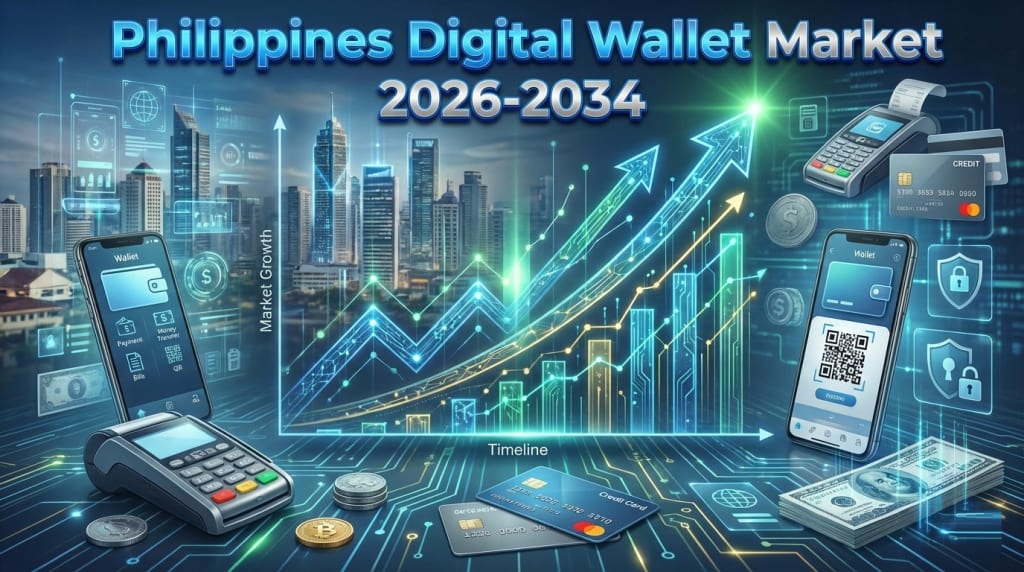
The Philippines digital wallet market size is on track for remarkable expansion as mobile finance and cashless transactions become increasingly embedded in daily life. According to the latest IMARC Group data, the market reached USD 13.7 billion in 2025 and is expected to grow to USD 62.7 billion by 2034, exhibiting an impressive compound annual growth rate (CAGR) of 17.83% between 2026 and 2034.
Digital wallets — also known as e-wallets — allow users to store funds electronically and make payments, transfers, and purchases using mobile devices without the need for physical cash or cards. Their growth reflects broader shifts in consumer behaviour, technological adoption, and financial ecosystem reform as the Philippines transitions toward a more inclusive and digital economy.
Why the Market Is Growing So Rapidly
One of the most significant drivers of market growth is the widespread adoption of smartphones and improved internet connectivity. Increasing smartphone penetration, combined with greater availability of affordable broadband services, is enabling more Filipinos to access digital wallet services. Users can now perform everyday financial activities — from bill payments to peer-to-peer transfers — quickly from their mobile devices, expanding the digital payments base well beyond urban centres.
The thriving e-commerce sector in the Philippines is another powerful catalyst. As online shopping activity grows, consumers increasingly prefer digital wallets for seamless, secure checkout experiences. E-wallet integration with major online marketplaces simplifies transactions and reduces reliance on cash, which has traditionally dominated retail purchases in the country.
Financial inclusion efforts by banks, fintechs, and regulators are expanding access to payment services among previously underserved and unbanked populations. Intuitive wallet platforms, often developed in partnership with traditional banks or mobile network operators, allow individuals without bank accounts to participate fully in the digital economy. These efforts reduce barriers to financial services and increase participation from rural and low-income segments.
Furthermore, the expansion of contactless payment infrastructure — such as QR codes and NFC terminals — has helped normalize cashless transactions across retail, transport, and service industries. The growing acceptance of such technologies by merchants and service providers boosts consumer confidence and accelerates adoption of digital wallets as a preferred payment mode.
Lastly, loyalty and rewards programs offered by digital wallet providers are engaging and retaining users by providing incentives like cashback, points, and personalized discounts. These features not only enhance the user experience but also increase transaction frequency, contributing to sustained market growth.
Request a Sample Report with the Latest 2026 Data & Forecasts
What the Opportunities Are
1. Cross-Border Payment Solutions:
Leveraging digital wallets for remittances and international transfers — especially given the Philippines’ large overseas workforce — can attract users seeking lower fees, faster processing, and competitive exchange rates.
2. Financial Services Integration:
Wallets that integrate microfinance, credit, savings, or insurance products offer broader financial utility and deepen customer engagement while tapping into underserved credit markets.
3. Rural Market Penetration:
Simplified, user-friendly interfaces and offline payment capabilities can unlock adoption among populations in rural areas, expanding the total addressable market.
4. Loyalty Programs and Consumer Incentives:
Enhanced loyalty mechanisms and reward partnerships with retail and service sectors can drive higher transaction volumes and customer retention.
5. Enterprise and Merchant Solutions:
Digital wallets tailored for businesses — including merchant payment solutions and invoicing — create revenue streams while modernizing the business payments ecosystem.
6. Fintech and Bank Collaborations:
Strategic partnerships between fintech innovators and traditional banks can accelerate product innovation, expand infrastructure support, and improve regulatory compliance.
7. Secure Identity and Verification Services:
Integrating national ID systems and advanced authentication tech supports secure onboarding, reduces fraud risk, and enhances trust in digital finance services.
Recent News & Developments
March 2025: BSP and government bodies continued strengthening the digital payment ecosystem by supporting contactless and cashless payment solutions across public infrastructure and services. This includes initiatives encouraging wallet use in transport systems and other daily transactions, reinforcing the shift toward a digital-first payments culture.
June 2025: Leading fintech platforms announced new advancements in interoperability and payment capabilities, including enabling cross-border top-ups and partnerships that connect local wallets with overseas financial systems. These enhancements reduce friction in remittances — a major economic pillar — further integrating digital wallets into users’ financial routines.
September 2025: Market data reflected strong year-on-year adoption growth, as digital wallets accounted for an increasing share of online and offline transactions. Retailers and e-commerce platforms reported higher digital wallet acceptance at point-of-sale, contributing to broader cashless penetration and reinforcing the nation’s transition toward digital financial services.
Why Should You Know About Philippines Digital Wallet Market?
The Philippines digital wallet market is a cornerstone of the country’s financial transformation, offering significant implications for investors, businesses, and policy makers. For investors, this sector presents a high-growth opportunity driven by robust adoption rates, expanding fintech innovation, and supportive regulatory frameworks. Wallet providers, fintech startups, and payment service platforms stand to capitalize on the shift toward digital financial services. Businesses benefit from enhanced payment efficiency, reduced cash handling costs, and better engagement with digitally savvy customers. At the policy level, supporting digital wallet expansion contributes to financial inclusion goals, broadens economic participation, and strengthens resilience in the financial ecosystem. As digital wallets become integral to everyday transactions across the Philippines, they will play a pivotal role in shaping the future of commerce, banking, and economic growth.
About the Creator
Keep reading
More stories from Manisha Dixit and writers in Trader and other communities.
Philippines Factoring Market 2026: to Grow from USD 18.35 Billion to USD 27.48 Billion by 2034
Philippines Factoring Market Overview The Philippines factoring market — a financial service that helps businesses convert accounts receivable into immediate working capital — is on a steady growth trajectory as firms seek alternatives to traditional credit and capital-raising mechanisms. According to IMARC Group data, the Philippines factoring market size reached USD 18.35 billion in 2025 and is expected to grow to USD 27.48 billion by 2034, representing a compound annual growth rate (CAGR) of 4.12 % from 2026 to 2034.
By Manisha Dixitabout 11 hours ago in Trader



Comments
There are no comments for this story
Be the first to respond and start the conversation.