
Philippines Bakery Market 2026: Rising to USD 5.4 Billion by 2034 on Changing Consumer Lifestyles
Convenience demand, rising disposable incomes, health oriented choices, and expanding retail channels are fuelling steady growth in the Philippines bakery industry.

Philippines Bakery Market Overview
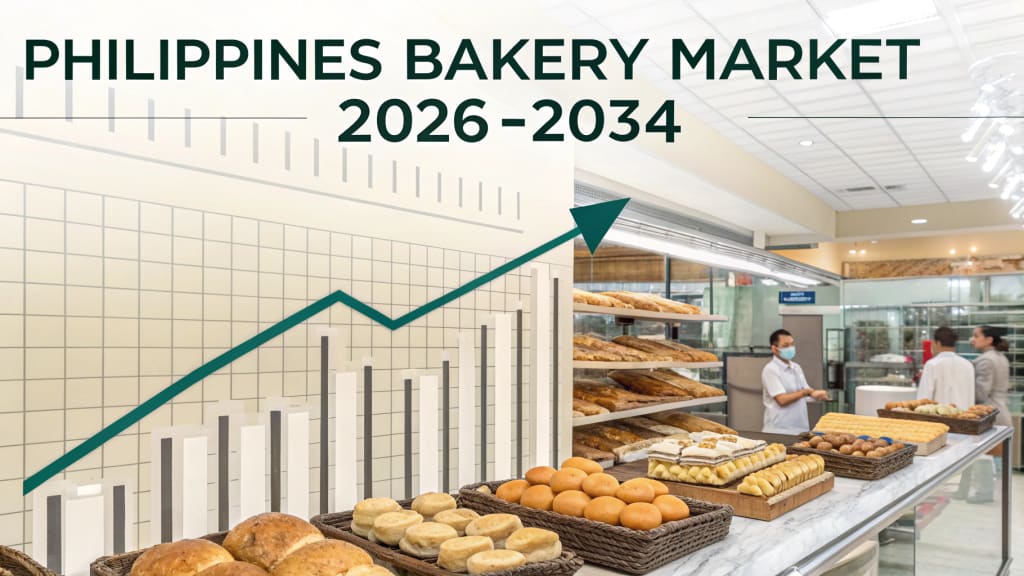
The Philippines bakery market size has emerged as a steadily expanding segment of the nation’s broader food and retail economy, driven by evolving consumer preferences and shifts in lifestyle and spending patterns. According to the latest IMARC Group report, the market was valued at USD 3.7 billion in 2025 and is projected to grow to USD 5.4 billion by 2034, exhibiting a compound annual growth rate (CAGR) of 4.42% over the 2026–2034 forecast period.
This growth trajectory highlights how bakery products — ranging from everyday staples like bread and rolls to premium pastries and cakes — are increasingly woven into Filipino diets. The expansion reflects broader socio economic changes such as rising disposable incomes, urbanization, and the integration of modern retail and digital channels that enhance product accessibility and variety.
Why the Market Is Growing So Rapidly
Changing Consumer Lifestyles and Convenience Demand
One of the most notable drivers is the shift in consumer lifestyles, especially among urban and working populations. With busier schedules and higher participation of women in the workforce, convenience has become a key purchase criterion. Bakery products — whether grab and go bread, sandwiches, or ready to eat pastries — fit this lifestyle by offering quick, affordable meal solutions throughout the day.
Rising Disposable Incomes and Premiumization
Economic growth in the Philippines has contributed to higher disposable incomes, enabling consumers to spend more on a wider variety of food items, including premium bakery goods. Artisanal breads, specialty pastries, and customized cakes — once considered occasional indulgences — are increasingly purchased as part of everyday consumption or special events. This willingness to explore new and higher quality products is expanding the overall market.
Health Oriented Consumption Trends
Health consciousness is a growing trend among Filipino consumers, even within the bakery segment. Surveys indicate that a large majority of consumers prioritize healthy eating, which has translated into demand for bakery products made with whole grains, organic ingredients, or reduced sugar. As a result, producers are innovating with healthier product lines like gluten free bread, vegan pastries, and low sugar cakes to satisfy evolving preferences and capture market share.
Bakery Chains and Franchise Expansion
Bakery chains and franchises have expanded rapidly across the Philippines, particularly in urban centers and shopping malls. Recognizable brands such as Pan de Manila, Red Ribbon, and The French Baker have increased penetration, making freshly baked goods readily available to a broader audience. The franchising model has enabled rapid scaling, supporting both brand visibility and market growth.
E commerce and Online Delivery Services
The rise of e commerce and online food delivery has further transformed the bakery market. Digital platforms have enabled consumers to conveniently order their favorite baked goods without visiting physical stores, especially appealing to busy urban dwellers. Many bakeries — including traditional outlets — are now integrating with delivery apps and online ordering systems to meet this growing demand.
Request a Sample Report with the Latest 2026 Data & Forecasts
What the Opportunities Are
1. Premium and Artisanal Bakery Products
There is strong opportunity in creating high end bakery lines that cater to rising health consciousness and premium taste preferences.
2. Healthy and Functional Bakery Innovations
Developing products like whole grain breads, low sugar pastries, and vegan bakery offerings can attract health focused consumers and differentiate brands.
3. Expansion in Tier 2 and Tier 3 Cities
While urban centers dominate the market, expanding bakery outlets and distribution into smaller towns can capture untapped consumption demand.
4. Online to Offline Integration
Combining digital ordering with in store experiences through click and collect and bespoke delivery services can enhance customer engagement and sales frequency.
5. Customized and Celebration Bakery Segments
Specialized products for occasions — such as custom cakes for birthdays and events — present lucrative opportunities for higher margin sales.
6. Bakery Subscription and Home Delivery Services
Subscription models for fresh bread and pastry deliveries can build customer loyalty and provide recurring revenue streams.
7. Partnerships with Cafés and Foodservice Providers
Collaborating with cafés, hotels, and catering companies to supply bakery items can diversify revenue channels and increase bulk sales.
Recent News & Developments
• January 2025: Franchise Expansion: The Jollibee Group inaugurated its first Tiong Bahru Bakery branch in the Philippines, offering fresh viennoiseries and artisanal pastries to local consumers. This entry reflects international brands’ growing interest in the domestic bakery sector and enhances product variety for Filipino customers.
• June 2025: Retail Network Growth: London based bakery Bread Ahead announced plans to debut in the Philippines through an exclusive franchise partnership with Good Eats by SSI, with 15 planned locations and an associated bakery school. This development signifies expanding foreign brand presence and skills development in the local bakery industry.
• September 2025: Manufacturing Investment: Monde Nissin invested USD 21.7 million to expand its Davao City facility on Mindanao Island, focusing on signature bakery brands such as Butter Coconut biscuits and classic sponge cakes. This investment underscores confidence in regional market growth and production capacity expansion.
Why Should You Know About the Philippines Bakery Market?
The Philippines bakery market represents a compelling, stable growth opportunity at the intersection of changing lifestyles, expanding consumer spending, and evolving retail channels. For investors, steady CAGR projections backed by demographic and economic trends signal reliable long term value. For brands and food companies, the market offers diverse paths for product innovation — from health oriented goods to premium artisanal offerings and digital native engagement strategies. For policy makers, supporting food safety standards and digital commerce infrastructure can help local bakeries scale while preserving cultural food traditions.
In a market where convenience, quality, and lifestyle increasingly shape eating habits, the Philippine bakery sector stands out as a resilient and dynamic component of the broader food economy — one rich with opportunities to innovate, grow, and delight consumers.
About the Creator
Keep reading
More stories from Manisha Dixit and writers in Trader and other communities.
Philippines Adult Diaper Market 2026: Set for Steady Growth Amid Aging Population and Healthcare Expansion
Philippines Adult Diaper Market Overview The Philippines adult diaper market is quietly emerging as a stable and steadily expanding sector within the broader personal care and healthcare landscape. According to IMARC Group’s latest research, the market generated USD 97.53 million in revenue in 2025 and is forecast to reach USD 145.09 million by 2034, growing at a compound annual growth rate (CAGR) of 4.51% between 2026 and 2034.
By Manisha Dixita day ago in Trader
Antacids Market Trends & Summary: How Everyday Digestive Relief Is Becoming a Big Business
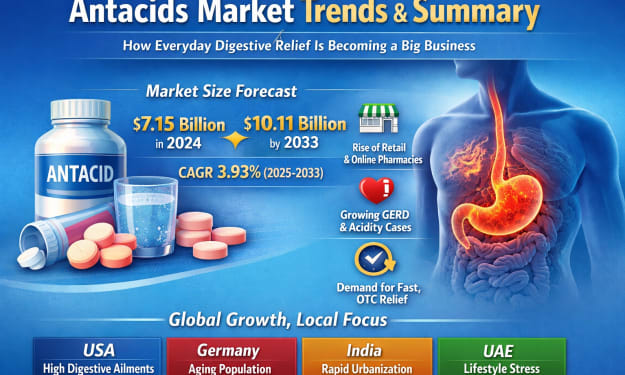
Introduction: Small Tablets, Big Market Impact In an age defined by fast food, stressful schedules, and increasingly sedentary lifestyles, digestive discomfort has become an almost universal complaint. Heartburn, acid reflux, indigestion, and related gastric issues are no longer occasional inconveniences—they are routine health concerns for millions of people worldwide. This everyday reality has quietly but steadily turned antacids into one of the most consistently demanded categories in over-the-counter (OTC) healthcare.
By shibansh kumar2 days ago in Trader


Comments
There are no comments for this story
Be the first to respond and start the conversation.