
North America Athletic Wear Market Size and Forecast 2025
From Gyms to Streets: How Athleisure, Sustainability, and Performance Fabrics Are Reshaping North America’s Sportswear Industry

Introduction: A Market Built on Movement
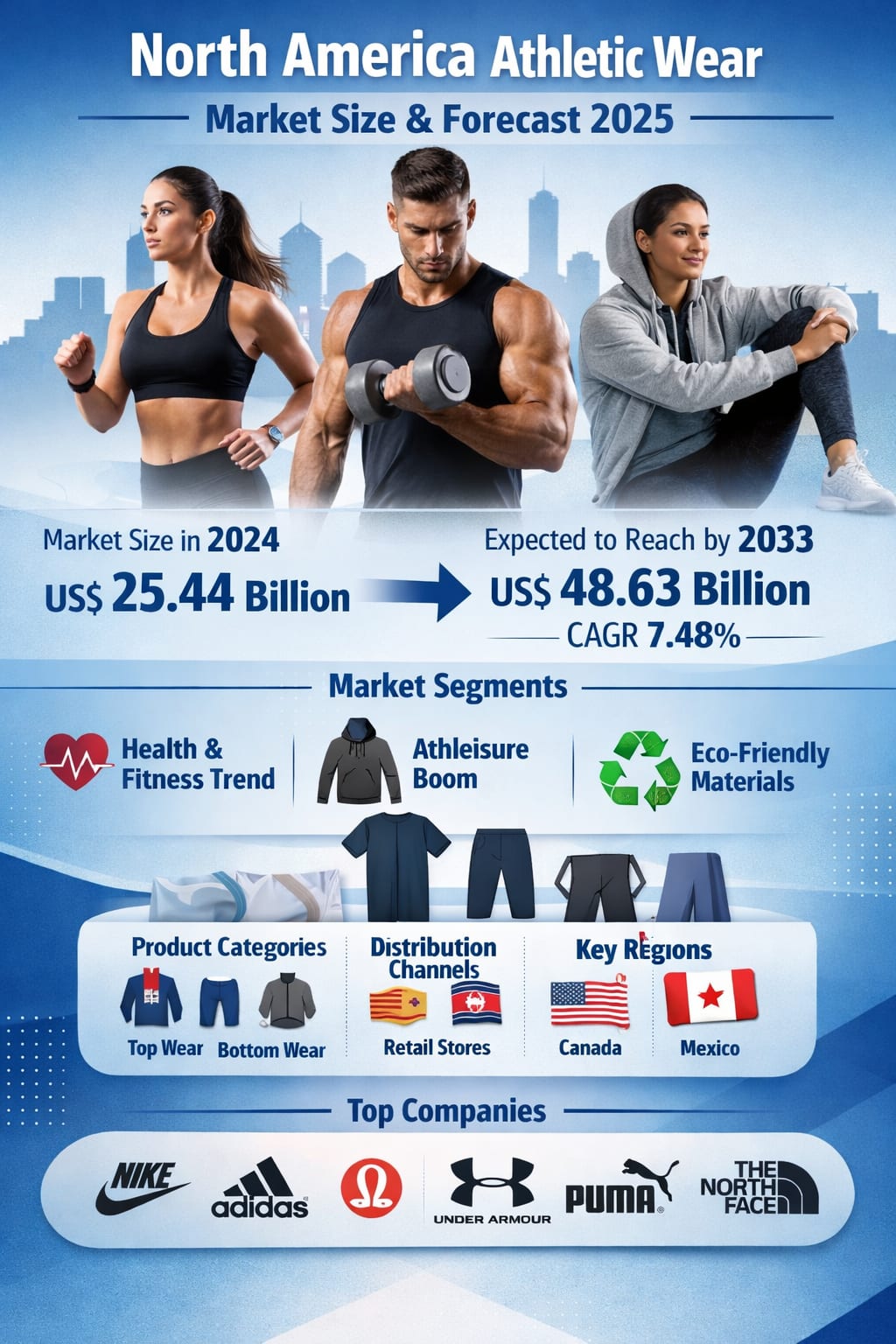
The North America athletic wear market is entering a powerful growth phase, driven by changing lifestyles, rising health awareness, and the fusion of fashion with function. According to Renub Research, the North America Athletic Wear Market was worth US$ 25.44 billion in 2024 and is expected to grow at a compound annual growth rate (CAGR) of 7.48% from 2025 to 2033, reaching a value of US$ 48.63 billion by 2033.
This growth reflects more than just increasing gym memberships or sports participation. Athletic wear has evolved into a daily wardrobe essential across the United States, Canada, and Mexico. What was once reserved for workouts is now worn in offices, cafes, airports, and social gatherings, thanks to the explosive popularity of athleisure. At the same time, innovations in fabric technology and a strong push toward sustainable production are redefining what consumers expect from sportswear.
As North America continues to embrace active lifestyles, wellness culture, and comfort-driven fashion, the athletic wear market is positioned as one of the most dynamic segments of the broader apparel industry.
Market Overview: Where Performance Meets Lifestyle
Athletic wear includes apparel, footwear, and accessories designed for sports, exercise, and physical activity. These products are typically made from breathable, moisture-wicking, stretchable materials such as polyester, nylon, and spandex to provide comfort, flexibility, and durability. Common items include t-shirts, leggings, shorts, sports bras, hoodies, tracksuits, and performance-oriented footwear.
In North America, athletic wear has moved far beyond the gym. It is now widely used for yoga, jogging, home workouts, outdoor sports, and everyday casual wear. The rise of athleisure has blurred the lines between sportswear and lifestyle fashion, making athletic apparel a core part of modern wardrobes.
Sustainability is also becoming a defining feature of the market. Many brands are introducing collections made from recycled polyester, organic cotton, and other eco-friendly materials. In parallel, technological advancements such as compression fabrics, temperature-regulating textiles, odor-resistant treatments, and UV-protective materials are enhancing the performance appeal of athletic wear.
With a growing focus on health, wellness, and active living, North American consumers are increasingly willing to invest in high-quality, long-lasting, and multifunctional athletic apparel.
Key Growth Drivers in the North America Athletic Wear Market
Rising Health and Fitness Consciousness
One of the strongest drivers of the athletic wear market is the increasing awareness of health, fitness, and overall well-being. More people across North America are participating in gym workouts, running, yoga, cycling, and home fitness routines. This shift toward active lifestyles has significantly boosted demand for comfortable, durable, and performance-oriented sportswear.
Government and community initiatives promoting physical activity, along with the long-term impact of the pandemic-era fitness boom, have reinforced this trend. Consumers now prioritize clothing that supports movement, manages sweat, and maintains comfort during extended wear.
Participation in organized sports also plays a role. For example, millions of Americans engage in organized sports activities each year, ranging from school-level competitions to adult recreational leagues. This broad base of participation creates consistent demand for reliable and high-quality athletic apparel across age groups.
The Expanding Athleisure Trend
Athleisure—where athletic wear doubles as everyday fashion—has become a defining trend in North America. Consumers increasingly prefer versatile clothing that transitions seamlessly from workouts to casual social settings. Leggings, joggers, hoodies, and sports tops are now common streetwear staples.
Fashion brands and sportswear companies alike are responding by blending sleek designs with high-performance fabrics and modern cuts. This has expanded the athletic wear market far beyond traditional athletes, attracting office workers, students, travelers, and lifestyle-focused consumers.
The result is a much broader customer base, where style, comfort, and functionality are equally important. Athleisure continues to be one of the strongest growth engines for the market.
Advancements in Performance and Sustainable Materials
Innovation in fabric technology is another major growth catalyst. Brands are developing athletic wear with features such as moisture management, temperature regulation, odor control, UV protection, and compression support. These enhancements improve comfort, performance, and recovery, making premium sportswear more attractive to both professional athletes and everyday fitness enthusiasts.
At the same time, sustainability has become a critical purchasing factor. Environmentally conscious consumers are increasingly drawn to products made from recycled fibers, organic materials, and low-impact manufacturing processes. Many leading brands are investing heavily in greener supply chains and eco-friendly product lines, which not only reduce environmental impact but also strengthen brand loyalty.
Challenges Facing the Market
Intense Competition and Brand Saturation
The North American athletic wear market is highly competitive, dominated by global giants such as Nike, Adidas, and Under Armour, alongside strong premium players like Lululemon and Patagonia. At the same time, new boutique brands and private labels continue to enter the market, increasing pressure on pricing and differentiation.
Fast-fashion retailers are also expanding their sportswear offerings, attracting price-sensitive consumers with lower-cost alternatives. For smaller and mid-sized brands, standing out in such a crowded landscape requires continuous investment in design, innovation, marketing, and brand storytelling.
Volatile Raw Material Prices and Supply Chain Pressures
Athletic apparel relies heavily on synthetic and performance-based materials, whose prices can fluctuate due to supply shortages, transportation disruptions, and global economic uncertainties. In recent years, logistics challenges and rising input costs have increased pressure on manufacturers and retailers.
Sourcing sustainable materials can also be more expensive, creating a balancing act between environmental responsibility and price competitiveness. Brands must manage these cost pressures while maintaining product quality and accessible pricing.
Segment Insights: Where the Growth Is Happening
Top Wear: T-Shirts, Tops, Hoodies, and Jackets
T-shirts and tops form the backbone of the North American athletic wear market. Consumers demand breathable, lightweight, and stretchable fabrics that enhance comfort and performance. Brands are introducing seamless designs, ultra-light materials, and UV-protective features to cater to diverse fitness needs.
Hoodies, sweatshirts, and jackets also play a key role, especially in colder climates and for outdoor activities. The influence of athleisure has further boosted demand for stylish, oversized, and cropped athletic tops that work both in and out of the gym.
Sustainable fabrics and recycled materials are gaining popularity in this segment, especially among environmentally conscious shoppers.
Bottom Wear: Pants, Leggings, Shorts, and Skirts
Leggings and athletic pants are among the most popular categories, particularly driven by yoga, pilates, gym workouts, and casual wear trends. High-waisted, squat-proof, and moisture-controlling leggings are especially in demand.
Compression tights with muscle support features appeal to serious athletes, while joggers and sweatpants with flexible, temperature-regulating fabrics are widely used for both workouts and daily wear. Shorts and skirts also maintain strong demand, particularly in warmer regions and for sports like running and tennis.
Distribution Channels: From Stores to Screens
Sporting goods retailers remain a major sales channel, offering customers the ability to try products, receive personalized fitting advice, and access exclusive collections. Large chains and specialty stores continue to invest in omnichannel strategies, blending in-store experiences with online services such as click-and-collect and loyalty programs.
At the same time, online stores are transforming how consumers shop for athletic wear. Brand websites and major e-commerce platforms offer wider selections, frequent discounts, home delivery, and data-driven size recommendations. Social media marketing and influencer partnerships have further accelerated online sales growth, especially among younger consumers.
Country-Level Insights
United States: The Market Leader
The United States dominates the North American athletic wear market, supported by high consumer spending, a strong fitness culture, and the presence of leading global brands. The popularity of home workouts, fitness apps, and wellness trends has further increased demand for functional and stylish sportswear.
Major sporting events, celebrity endorsements, and fitness influencers play a significant role in shaping consumer preferences. U.S. brands continue to focus on smart apparel, advanced fabric technologies, and sustainable collections to maintain their competitive edge.
Canada: Premium and Performance-Driven
Canada’s athletic wear market is growing steadily, fueled by strong participation in fitness activities and a deep-rooted outdoor and winter sports culture. Premium brands such as Lululemon and Arc’teryx are especially influential, offering high-quality gear for both indoor and outdoor use.
Canadian consumers place strong emphasis on durability, thermal performance, and weather resistance, as well as sustainability. Demand for eco-friendly materials like organic cotton and recycled polyester is particularly strong, and online retail continues to gain traction across the country.
Mexico: A Fast-Growing Opportunity
Mexico represents a rapidly expanding market, driven by urbanization, rising disposable incomes, and increasing interest in fitness and sports. Consumers are embracing more active lifestyles, boosting demand for comfortable, fashionable, and performance-oriented athletic wear.
Both international and domestic brands are investing in mass-market and mid-range product lines to capture the growing middle class. Social media influencers and expanding e-commerce platforms are also playing a key role in increasing brand visibility and accessibility.
Competitive Landscape and Key Players
The North America athletic wear market is shaped by a mix of global leaders and strong regional players. Key companies covered in the market analysis include:
NIKE, Inc.
Under Armour, Inc.
Lululemon Athletica Inc.
Adidas Group
Patagonia, Inc.
The North Face, Inc.
Alo, LLC
PUMA SE
Columbia Sportswear Company
New Balance Athletics, Inc.
These companies compete on the basis of product innovation, brand strength, sustainability initiatives, digital engagement, and global distribution networks. Many are investing heavily in direct-to-consumer channels, smart apparel technologies, and eco-friendly manufacturing processes to secure long-term growth.
Market Segmentation Snapshot
By Product:
Top Wear: T-shirts & Tops, Hoodies & Sweatshirts, Jackets, Others
Bottom Wear: Pants & Leggings, Shorts & Skirts
Underwear / Base Layers
By Price Range:
Mass
Premium
By Distribution Channel:
Supermarkets & Hypermarkets
Sporting Goods Retailers
Exclusive Brand Outlets
Online Stores
Others
By Country:
United States
Canada
Mexico
Final Thoughts: A Market Built for the Long Run
The North America athletic wear market is on a strong growth trajectory, supported by powerful lifestyle shifts, fashion evolution, and technological innovation. With the market expected to grow from US$ 25.44 billion in 2024 to US$ 48.63 billion by 2033 at a CAGR of 7.48%, the future looks highly promising.
Athleisure will continue to blur the lines between performance and everyday fashion, while sustainability and smart fabrics will shape the next generation of sportswear. Although competition and cost pressures remain challenges, brands that successfully combine innovation, style, and environmental responsibility are likely to thrive.
About the Creator
United States Diabetes Market Size, Trends, Growth & Forecast 2034
United States Diabetes Market Overview The United States diabetes market is expanding steadily due to the rising prevalence of diabetes, increasing awareness about early diagnosis, and continuous advancements in treatment and monitoring technologies. Diabetes remains one of the most common chronic diseases in the country, affecting millions of individuals across different age groups. Sedentary lifestyles, unhealthy dietary habits, obesity, and genetic predisposition are major factors contributing to the growing patient population.
By Kim Soo hyunabout 12 hours ago in Trader
Compressor Rental Market Expands with Rising Industrial and Infrastructure Demand
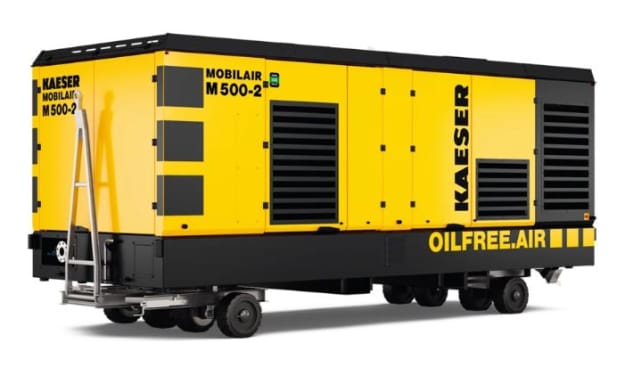
Compressor Rental Market Overview The Compressor Rental Market involves the temporary leasing of air compressors used across various industrial and commercial applications. These compressors play a crucial role in powering equipment, supporting construction activities, and maintaining operations in sectors such as oil and gas, mining, power generation, and manufacturing. Rental services provide businesses with cost-effective and flexible solutions, eliminating the need for large capital investments and long-term maintenance responsibilities. The market is gaining traction due to increasing infrastructure development, industrial expansion, and growing demand for energy-efficient equipment. Additionally, companies are focusing on providing customized rental solutions, advanced compressor technologies, and improved service support to meet diverse industry requirements.
By James Smith2 days ago in Trader



Comments
There are no comments for this story
Be the first to respond and start the conversation.