
Lessons from the NASDAQ 30% Correction: A Look at the Past and Present
Nasdaq correction 30% in 2022 Third in three decade
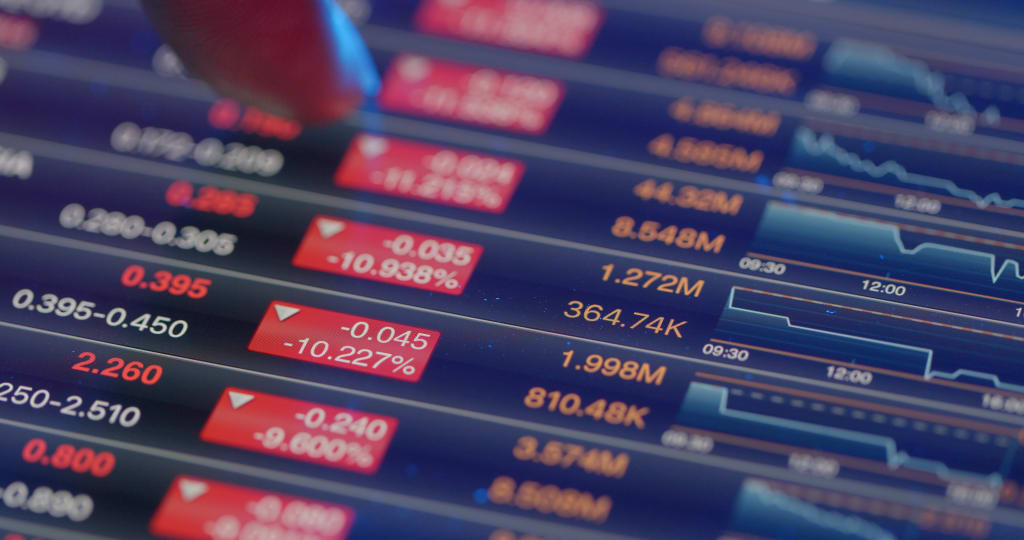
The Nasdaq, a stock index known for its technology and internet-based companies, has seen its fair share of ups and downs. The recent 30% drop in a year is only the third time in the past three decades that it has experienced such a significant decline.
This correction has sent shockwaves through the financial world and left many investors wondering what caused the drop and what the future may hold for the market. This article will delve into the historical context of the Nasdaq's 30% correction and explore this significant market event's potential causes and outcomes.
By understanding the context and possible consequences of the Nasdaq's drop, we can better navigate volatile markets and make informed decisions about our investments.
1.Dot-com bubble correction
During the dot-com bubble of the late 1990s and early 2000s, the Nasdaq experienced a significant correction. It dropped from over 5,000 in March 2000 to below 1,000 in 2002.
This decline represented a drop of over 80%. It was caused by several factors, including the overvaluation of technology stocks, a decline in advertising revenue, and decreased consumer and business spending.
The market began to recover eventually, and the Nasdaq had recovered some of its losses by 2007. It reached a peak of more than 2,800.
We will analyze why this happened.
Economic factors: The solid economic growth and low unemployment rates of the late 1990s led to increased consumer and business spending, which fueled the demand for technology products and services. It, combined with low-interest rates and easy access to capital, led to a boom in the tech sector and a surge in stock prices.
Technological factors: The rapid advancement of the internet and the proliferation of personal computers led to the creation of many new technology companies, many of which went public and saw their stock prices rise unsustainably.
Investor sentiment: The hype surrounding the tech sector and the belief that internet-based companies would revolutionize the way we live and work led to a frenzy of investment in tech stocks, with many investors buying into the hype without fully understanding the risks.
The market began to recover eventually, and the Nasdaq had recovered some of its losses by 2007. It reached a peak of more than 2,800.
2. Financial crisis in 2008
The 2008 financial crisis had an enormous impact on the Nasdaq. In 2008, the index fell by more than 50% from its peak in 2007. The crisis, caused by the collapse of the housing market and problems with subprime mortgages, had ripple effects throughout the global economy and led to a decline in stock prices across the board.
The financial crisis of 2008 was caused by some factors, including:
Economic factors: The housing market collapse and the problems with subprime mortgages were the primary causes of the crisis. The housing bubble, fueled by easy access to credit and low-interest rates, burst in 2007, leading to a decline in housing prices and a surge in foreclosures. It, combined with the widespread use of mortgage-backed securities and the sale of risky subprime mortgages, led to a crisis in the financial sector as banks struggled with bad loans and defaults.
Investor sentiment: The hype surrounding the housing market and the belief that housing prices would continue to rise led to a frenzy of investment in the sector, with many investors buying into the hype without fully understanding the risks. When the housing bubble burst, this led to a decline in stock prices across the board.
In the aftermath of the crisis, the Nasdaq took several years to recover, with a slow and steady climb back to pre-crisis levels. By 2015, the index had reached an all-time high of over 5,000. It took almost 15 years to attain the high of march 2000
3. The correction in 2022
After peaking at around 16,000 in November 2021, Nasdaq has steadily declined. It closed nearly 10,000 at the end of 2022. Is this trend going to be the same for the year 2023. Why this has happened?
Changes in monetary policy: The fed increased the interest rate seven times in 2022, from nearly 0% to 4.5%. It is the highest since December 2007. It caused a change in sentiment for the investor. And fed is giving enough indication that this will be the case for the year 2023 as well.
Changes in investor sentiment: A correction can lead to a shift in investor sentiment, with some investors becoming more bearish and others becoming more bullish. It can affect the demand for different types of investments and impact the performance of different asset classes.
Changes in economic growth: A severe and prolonged correction could lead to a decline in economic growth as businesses and consumers cut back on spending.
Market corrections are a normal and inevitable part of the investment cycle. While corrections can be unsettling, it is essential to remember that the market has eventually rebounded and reached new highs.
Some strategies for navigating volatile markets include developing a long-term investment plan, diversifying your portfolio, staying informed, and keeping emotions in check.
It is impossible to predict with certainty how the market will perform after a correction. However, investors can make informed decisions and weather market downturns by analyzing current market conditions and considering long-term trends. It is essential to stay focused on your financial goals and not let short-term market movements distract you from your long-term investment plan.
About the Creator
Keep reading
More stories from parthasarathy sundar and writers in Trader and other communities.
What companies are in the financial field?
We will take a look at some of the top financial companies in the world. These companies offer financial services to individuals, businesses, and organizations, and they range from investment banks to insurance providers to mortgage servicing companies. We will discuss their areas of operation and provide information on their total assets and net income.
By parthasarathy sundar3 years ago in Education
kospi index market update investors watch sudden shift in South Korea stocks
kospi index is one of the most important indicators of the South Korean stock market. Investors around the world track the kospi index daily to understand how major companies in South Korea are performing. When the kospi index moves, it reflects the overall mood of the market. Recently, the kospi index has shown a new trend that is attracting strong attention from traders and long-term investors. Market activity has increased, and several sectors are helping the kospi index maintain steady movement. Because of this change, many investors are closely watching the kospi index for signals about the next market direction.
By John.doe7984 days ago in Trader
Silver Price Outlook: Market Trends, Investment Demand, and Future Expectations
Silver Price Analysis: Market Trends and Future Outlook The silpricever has always attracted the attention of investors, traders, and commodity analysts around the world. As one of the most important precious metals, silver plays a dual role in the global economy. It is not only a safe-haven investment like gold but also a critical industrial metal used in electronics, solar panels, and manufacturing. Because of these unique characteristics, movements in the silver price often reflect both financial market sentiment and industrial demand.
By Hammad Nawaz5 days ago in Trader
The BAFTA Awards
By now, in a stunning departure from recent years, most of the world is aware of what happened at the BAFTA film awards. Social Media Headlines will tell you the bare bones: that John Davidson, a Tourette's Syndrome advocate, shouted a racial slur at two Actors of Colour, Michael B Jordan and Delroy Lindo.
By Natasja Rose6 days ago in Psyche


Comments
There are no comments for this story
Be the first to respond and start the conversation.