Latest Stories
Most recently published stories in Trader.
Commercial Financing in Canada | Freedom Capital
At Freedom Capital, we offer a wide range of services and products when it comes to commercial financing in Canada. We have access to more than 200 alternative and institutional lenders - from life insurance companies, credit unions, banks and trust companies, private investors and pension funds. Our team can provide you with the best solutions available on the market that meet all your needs.
By Freedom Capital3 years ago in Trader
Understanding the P/E Ratio: A Tool for Investment Analysis
Introduction: When investing in the stock market, it's important to have a solid understanding of the company's valuation. One commonly used valuation metric is the price-to-earnings ratio, or P/E ratio. In this article, we will explore what the P/E ratio is, how to calculate it, and how it can be used as a tool for investment analysis.
By Tag Business3 years ago in Trader
Understanding EPS: A Key Metric for Investors to Evaluate a Company's Profitability and Potential for Growth
Introduction: When it comes to investing in the stock market, it's important to have a solid understanding of a company's financial performance. One metric that is commonly used for this purpose is the earnings per share, or EPS. In this article, we will explore what the EPS is, how to calculate it, and how it can be used as a tool for investment analysis.
By Tag Business3 years ago in Trader
Understanding the PB Ratio: A Guide for Investors
Introduction: When it comes to investing in the stock market, it is important to have a solid understanding of company valuations. One metric commonly used for this purpose is the price-to-book ratio, or PB ratio. In this article, we'll explore what the PB ratio is, how to calculate it, and how it can be used as a tool for investment analysis.
By Tag Business3 years ago in Trader
ROCE Ratio: A Simple Explanation for Kids
Return on Capital Employed (ROCE) is a financial ratio that measures how efficiently a company is using its capital to generate profits. It is a valuable metric for investors to evaluate a company's financial health and potential for future growth. The ROCE ratio is particularly useful in comparing companies within the same industry.
By Tag Business3 years ago in Trader
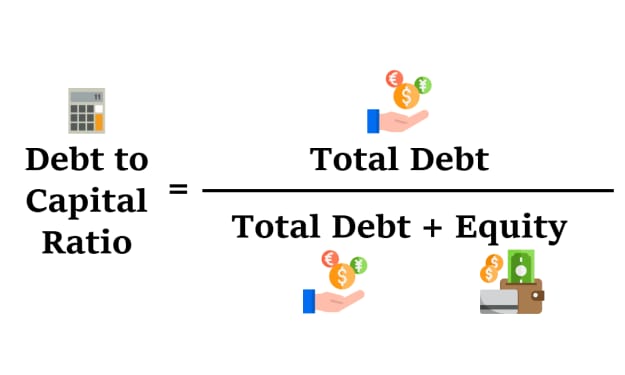
Understanding Debt to Capital Ratio: A Guide for Investors and Analysts
Debt to Capital Ratio, also known as Debt-to-Total Capitalization Ratio, is a financial ratio that compares a company's total debt to its total capitalization. This ratio helps investors and analysts evaluate a company's financial leverage and solvency. In this article, we'll explore the Debt to Capital Ratio in more detail and provide an example to illustrate how it works.
By Tag Business3 years ago in Trader
Understanding and Using Return on Assets (ROA) Ratio in Investment Analysis
Return on Assets (ROA) is a financial ratio that measures a company's efficiency in generating profits from its assets. ROA is a key metric that investors and analysts use to evaluate a company's profitability and efficiency. In this article, we'll explore the ROA ratio in more detail and provide an example to illustrate how it works. We'll also discuss the limitations of this ratio and how to use it in investment analysis.
By Tag Business3 years ago in Trader
What is the PEG ratio and how is it used in investment analysis?
Introduction: The PEG ratio is a financial ratio that is used to determine the value of a company's stock. This ratio takes into account the company's earnings growth rate and is used as an alternative to the traditional P/E ratio. In this article, we will discuss the PEG ratio in detail, including how it is interpreted, its limitations, and how it can be used in investment analysis.
By Tag Business3 years ago in Trader