
Kohl's Stock: An In-Depth Analysis
Navigating the Ups and Downs: What Investors Need to Know About Kohl's Stock Performance


Kohl's Corporation (NYSE: KSS) is a well-known American department store retail chain that has been a staple in the retail landscape for decades. Founded in 1962, Kohl's has expanded to operate over 1,100 stores across the United States, offering a diverse range of products, including clothing, footwear, accessories, beauty products, and home goods. In recent years, Kohl's stock has been a topic of interest among investors, analysts, and retail enthusiasts alike. This article will provide a comprehensive analysis of Kohl's stock, examining its performance, market position, challenges, and future outlook.
Overview of Kohl's Stock Performance
Kohl's stock has experienced significant fluctuations over the years, reflecting both broader trends in the retail sector and company-specific developments. As of October 2023, Kohl's stock price has seen a notable decline from its peak in 2016, when shares traded at around $80. The stock has faced challenges due to changing consumer behaviors, increased competition from e-commerce giants, and the impact of the COVID-19 pandemic on retail operations.
In 2020, Kohl's stock was particularly affected by the pandemic, with store closures and reduced foot traffic leading to a sharp decline in sales. However, the company adapted by enhancing its online shopping capabilities and implementing safety measures in stores. By mid-2021, Kohl's stock began to recover as the economy reopened, and consumers returned to shopping. The stock reached a high of approximately $60 in early 2021, but has since faced volatility due to ongoing supply chain issues and inflationary pressures.
Financial Performance
To understand the stock's performance, it is essential to analyze Kohl's financial metrics. In its most recent quarterly earnings report, Kohl's reported revenue of $4.1 billion, a decrease from the previous year, reflecting the challenges faced in the retail environment. The company's net income also saw a decline, leading to concerns about profitability moving forward.
Key Financial Metrics:
-Revenue: $4.1 billion (latest quarter)
- Net Income: $200 million (latest quarter)
- Earnings Per Share (EPS): $1.20
- Market Capitalization: Approximately $6 billion
- Dividend Yield: 4.5% (as of October 2023)
Kohl's has a history of paying dividends, which has been attractive to income-focused investors. The company has consistently returned capital to shareholders, but the sustainability of its dividend amid declining profits has raised questions.
Market Position and Competitive Landscape
Kohl's operates in a highly competitive retail environment, facing challenges from both traditional department stores and online retailers. Major competitors include Macy's, JCPenney, Target, and Walmart, as well as e-commerce giants like Amazon. The rise of online shopping has forced Kohl's to adapt its business model, leading to investments in digital capabilities and omnichannel strategies.
Kohl's has also sought to differentiate itself through partnerships and exclusive brands. The company has collaborated with popular brands such as Sephora to enhance its beauty offerings and has introduced exclusive clothing lines to attract customers. These strategies aim to create a unique shopping experience that can compete with both brick-and-mortar and online retailers.
Challenges Facing Kohl's
Despite its efforts to adapt, Kohl's faces several challenges that could impact its stock performance:
1. Changing Consumer Behavior: The shift towards online shopping has accelerated, with consumers increasingly favoring convenience and speed. Kohl's must continue to enhance its e-commerce platform to capture this market segment.
2. Supply Chain Disruptions: Ongoing supply chain issues have affected many retailers, including Kohl's. Delays in product availability can lead to lost sales and dissatisfied customers.
3. Inflation and Economic Uncertainty: Rising inflation rates have impacted consumer spending habits. As prices increase, consumers may prioritize essential goods over discretionary spending, which could hurt Kohl's sales.
4. Increased Competition: The retail landscape is becoming more competitive, with new entrants and established players vying for market share. Kohl's must continuously innovate to maintain its position.
5. Debt Levels: Kohl's has taken on debt to finance its operations and growth initiatives. High debt levels can limit financial flexibility and increase vulnerability during economic downturns.
Future Outlook
The future of Kohl's stock will largely depend on the company's ability to navigate the challenges it faces while capitalizing on opportunities in the retail market. Analysts have mixed opinions on the stock's potential, with some seeing it as undervalued and others expressing caution due to the headwinds.
Growth Strategies:
- E-commerce Expansion: Kohl's is investing in its online platform to enhance the customer experience and drive sales. This includes improving website functionality, expanding product offerings, and enhancing delivery options.
- Store Optimization: The company is focusing on optimizing its store footprint, closing underperforming locations, and investing in stores that show potential for growth.
- Partnerships and Collaborations: Continued partnerships with popular brands can help attract new customers and drive traffic to stores and online platforms.
- Sustainability Initiatives: As consumers become more environmentally conscious, Kohl's is implementing sustainability initiatives that could resonate with customers and enhance brand loyalty.
Analyst Ratings:
As of October 2023, analysts have varied ratings on Kohl's stock. Some analysts have a buy rating, citing the potential for recovery and the attractive dividend yield, while others maintain a hold or sell rating due to concerns about the company's ability to adapt to the changing retail landscape.
Conclusion
Kohl's stock presents a complex picture for investors. While the company has a strong brand presence and a history of returning value to shareholders, it faces significant challenges in a rapidly evolving retail environment. The stock's performance will depend on Kohl's ability to adapt to changing consumer preferences, manage supply chain issues, and navigate economic uncertainties.
Investors considering Kohl's stock should weigh the potential risks against the growth opportunities. With a focus on e-commerce, strategic partnerships, and sustainability, Kohl's may be well-positioned to recover and thrive in the long term. However, the retail landscape remains unpredictable, and careful analysis is essential for making informed investment decisions."
About the Creator
Trend Vantage
Covering the latest trends across business, tech, and culture. From finance to futuristic innovations, delivering insights that keep you ahead of the curve. Stay tuned for what’s next!
Keep reading
More stories from Trend Vantage and writers in Trader and other communities.
The Beautiful Bill: A Bold Solution for America’s Student Loan Crisis
In a country where more than 43 million Americans carry student loan debt totaling over $1.7 trillion, calls for bold reform are louder than ever. For decades, the student loan system has been a burden — not a bridge — for millions of borrowers who pursued education only to find themselves trapped by interest, limited income, and relentless repayment schedules.
By Trend Vantage6 months ago in Trader
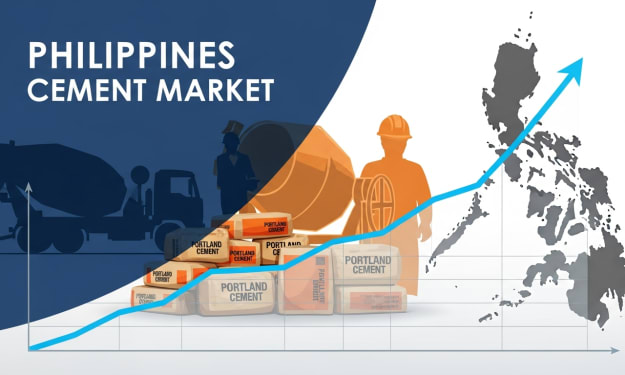
Philippines Cement Market: Infrastructure Momentum, Urban Growth & Construction Demand
Philippines Cement Market The Philippines cement market is a pivotal segment of the country’s construction ecosystem, reflecting broader macroeconomic dynamics, infrastructure ambitions and real estate expansion. Cement — a key binding material in concrete and mortar — underpins virtually every construction activity, from housing and commercial buildings to bridges, roads, ports and industrial facilities. The Philippines cement market size reached USD 8,148.60 Million in 2024. Looking forward, the market is projected to reach USD 12,870.52 Million by 2033, exhibiting a growth rate (CAGR) of 5.21% during 2025-2033. This trajectory underscores sustained investment in infrastructure, urbanisation, housing demand and diversification of construction activities across regions.
By Manisha Dixit7 days ago in Trader
Snowflake Inc Reshapes the Data Landscape, Raising Big Hopes, Tough Questions, and Market Attention
Snowflake Inc continues to draw strong attention as businesses search for better ways to handle growing data needs. From startups to global firms, many now depend on Snowflake Inc to manage and use their data with ease. This steady rise has created hope, raised questions, and kept the market alert. They will explain how Snowflake Inc is changing the data space, why people trust it, where doubts remain, and what lies ahead. You can also read our earlier deep dive on Snowflake Inc’s rise as a data leader in this related guide: Snowflake Inc Rises as a Data Giant
By hamza mirza4 days ago in Trader



Comments
There are no comments for this story
Be the first to respond and start the conversation.