
KINDS OF TRADING
A Comprehensive Guide to the Various Forms of Trading in Modern Financial Markets

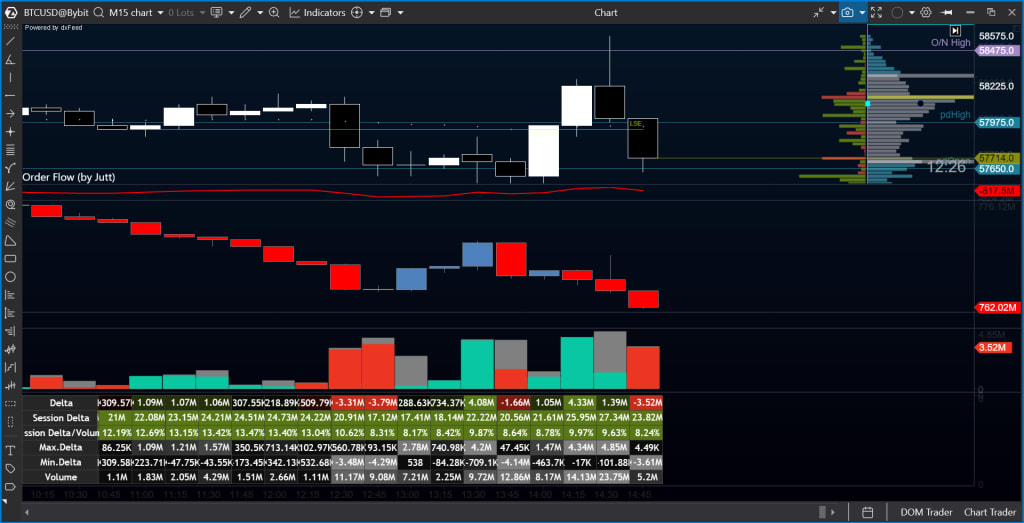
In the dynamic world of finance, trading plays a vital role in the movement of capital and the functioning of markets. At its core, trading refers to the buying and selling of financial instruments—such as stocks, bonds, commodities, currencies, and derivatives—with the aim of making a profit. However, not all traders operate the same way. There are different kinds of trading, each with its own strategy, time frame, risk level, and tools. Understanding these can help investors choose an approach that aligns with their financial goals, risk appetite, and expertise.
1. Day Trading
Day trading involves buying and selling financial instruments within a single trading day. Positions are closed before the market closes, which means the trader does not hold any open positions overnight. This style is fast-paced and demands constant monitoring of market movements.
Day traders rely heavily on technical analysis, price charts, and short-term indicators. They typically aim to profit from small price fluctuations. This kind of trading is capital-intensive and requires a good understanding of market behavior and discipline in executing trades swiftly.
2. Swing Trading
Swing trading is a medium-term strategy where traders hold positions for several days or even weeks. Unlike day traders, swing traders aim to capture trends or "swings" in the market. They often use both technical and fundamental analysis to identify potential opportunities.
This style suits individuals who cannot monitor markets all day but are still active enough to follow price movements regularly. Swing trading can be less stressful than day trading and offers more time for decision-making.
3. Position Trading
Position trading is a long-term strategy where traders hold positions for weeks, months, or even years. It resembles investing more than active trading and focuses on fundamental analysis rather than daily price fluctuations.
Position traders usually base their decisions on macroeconomic trends, company performance, industry growth, and market sentiment. This method requires patience and is suitable for those who prefer a more hands-off approach to trading.
4. Scalping
Scalping is one of the shortest-term trading strategies. Scalpers make dozens or even hundreds of trades within a day, holding positions for just seconds or minutes. The goal is to profit from small price changes.
This high-frequency approach demands speed, precision, and access to advanced trading platforms. It also requires strict discipline, as losses can quickly wipe out small gains if not managed properly.
6. Algorithmic Trading
Algorithmic trading, also known as algo trading, uses computer programs to execute trades based on predefined criteria. These programs analyze markets and execute orders at speeds and frequencies that are impossible for human traders.
This form of trading is common among institutional investors and hedge funds. It minimizes human emotion in trading and can handle large volumes of transactions efficiently. However, it requires technical knowledge in programming and financial modeling.
7. Options and Futures Trading
Trading in derivatives like options and futures allows traders to speculate on the future price of an asset without owning it. These instruments can be used for hedging risk or for speculative purposes.
Options give the right, but not the obligation, to buy or sell an asset at a specific price. Futures contracts, on the other hand, obligate the trader to buy or sell the asset on a specified date. These markets are complex and often involve higher risks and leverage.
8. Forex Trading
Forex (foreign exchange) trading involves the buying and selling of currency pairs like EUR/USD or GBP/JPY. It is the largest financial market in the world, operating 24 hours a day, five days a week.
Forex trading is influenced by economic data, interest rates, geopolitical events, and central bank policies. It offers high liquidity and the ability to trade with leverage, but also comes with significant risks.
9. Cryptocurrency Trading
With the rise of digital currencies, cryptocurrency trading has gained immense popularity. It involves trading coins like Bitcoin, Ethereum, and others on crypto exchanges.
Crypto markets are known for their volatility and operate 24/7. Traders need to be cautious and well-informed due to the lack of regulation and the presence of market manipulation in some exchanges.
Conclusion
The world of trading is vast and varied, offering numerous strategies tailored to different investor profiles. Whether you are a fast-paced day trader, a patient position holder, or someone intrigued by algorithms and digital currencies, there’s a trading style that fits your preferences. However, every kind of trading comes with its own risks and rewards. Therefore, it is crucial to educate oneself, start cautiously, and adopt proper risk management techniques before venturing into any form of trading.
About the Creator
Mehtab Ahmad
“Legally curious, I find purpose in untangling complex problems with clarity and conviction .My stories are inspired by real people and their experiences.I aim to spread love, kindness and positivity through my words."
Keep reading
More stories from Mehtab Ahmad and writers in Trader and other communities.
The Psychology of Trading
Exploring FOMO, loss aversion, and emotional discipline in the high-stakes world of crypto and forex trading In the fast-paced world of crypto and forex trading, success depends not only on understanding charts, indicators, and market trends but also on mastering one's inner psychology. While technical analysis and fundamental research are vital, even the most seasoned traders can find themselves undone by emotions like fear, greed, and overconfidence. The volatile nature of these markets amplifies psychological pitfalls, making emotional discipline as important—if not more—as strategy.
By Mehtab Ahmad10 months ago in Trader
Philippines Vision Care Market 2026: Rising Eye Disorders, Digital Eye Strain & Advanced Eyewear Adoption
Philippines Vision Care Market Overview The Philippines vision care market is an essential segment of the country’s healthcare and optical products industry. Vision care includes products and services such as eyeglasses, contact lenses, intraocular lenses, eye examinations and corrective vision procedures. These solutions help diagnose, manage and correct vision problems while supporting overall eye health. With increasing digital device usage and rising awareness about preventive healthcare, the demand for vision care products and services continues to grow across the Philippines.
By Manisha Dixitabout an hour ago in Trader



Comments
There are no comments for this story
Be the first to respond and start the conversation.