
Is Investing in a 200 TPH Asphalt Mixing Plant Profitable for Tollway Developers?
Is a 200 TPH asphalt mixing plant a wise investment for tollway developers? Uncover the potential returns and strategic advantages in our detailed analysis.

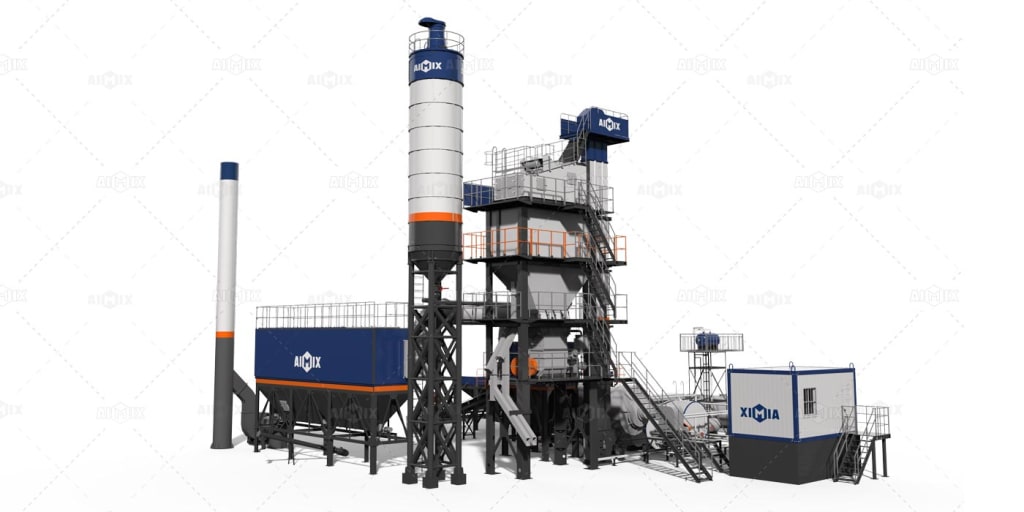
As tollway construction booms across Southeast Asia and beyond, developers are under growing pressure to control project costs, meet tight deadlines, and ensure long-term pavement quality. One question that frequently arises is: Is it worth investing in a 200 TPH asphalt plant machine? This article explores the key factors that impact profitability, from production scale to operational efficiency, helping tollway developers make informed decisions.
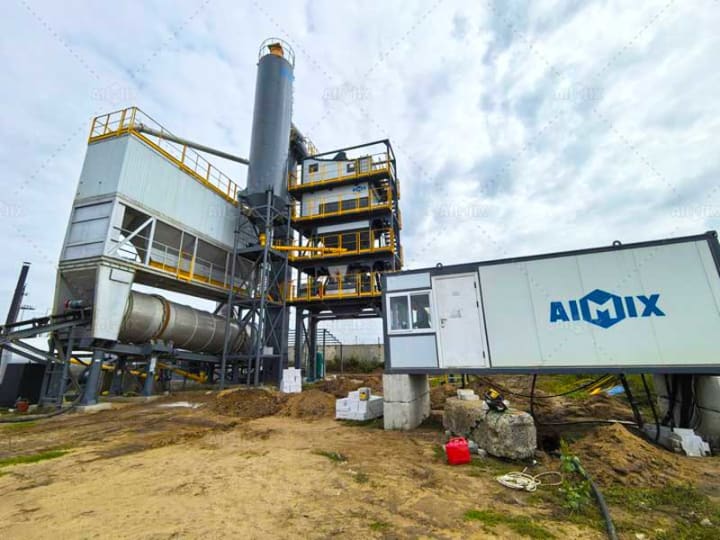
Why 200 TPH? Understanding the Scale
In major tollway projects, high daily asphalt demand is standard. A 200 TPH hot mix asphalt equipment can produce approximately 1,600 tons of hot mix asphalt in a standard 8-hour shift. This output aligns well with the demands of large-scale highway developments, especially when working with multi-lane roads or long stretches of pavement.
Compared to smaller 60 or 100 TPH plants, the 200 TPH configuration offers more than just higher output. It reduces per-ton production costs, minimizes downtime, and supports continuous paving schedules. This is especially useful in projects with penalty clauses for delays.
Example Scenario: Daily Asphalt Demand
Let’s say your tollway project requires 12,000 tons of asphalt over the next 10 days. Using a 200 TPH plant, this demand can be met in under 8 full production days, with buffer time for equipment maintenance or poor weather. This flexibility is crucial on high-stakes infrastructure projects.
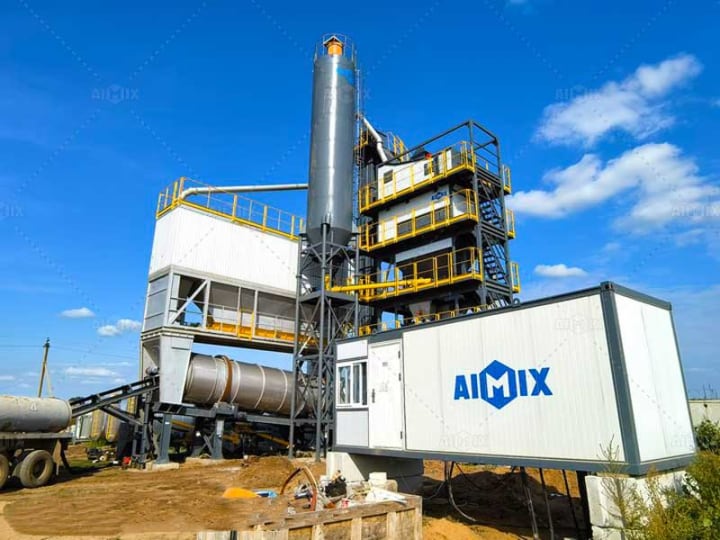
Cost Analysis: Investment vs. Outsourcing
Before deciding to invest in an asphalt plant, many developers consider outsourcing asphalt supply. At first glance, outsourcing may seem cheaper, but it often comes with risks: unpredictable pricing, transport delays, and inconsistent mix quality.
In contrast, owning a 200 TPH asphalt plant provides full control over production. Let’s break it down:
Typical cost of purchasing asphalt from suppliers: $70–$100 per ton (including transport)
In-house production cost (with 200 TPH asphalt plant): $45–$60 per ton
That’s a savings of $25–$40 per ton. Over a 50,000-ton tollway project, that translates to savings of $1.25–$2 million. These savings alone can offset the plant investment cost. Get to know the asphalt plant cost from us!
Transport and Time Advantages
Another benefit of onsite production is logistics. With a mobile or stationary 200 TPH asphalt mixer plant near the site, you eliminate long-distance hauling. That means faster delivery to pavers, better compaction, and fewer cold joints—key to meeting highway durability standards.
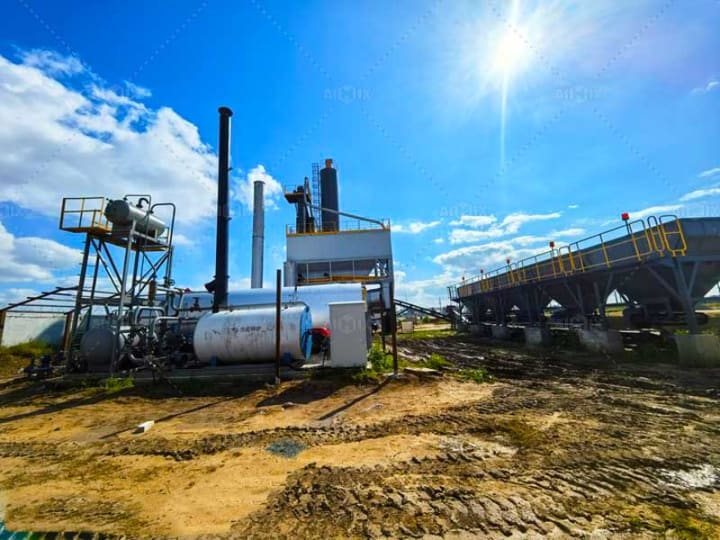
Operational Considerations and ROI
Of course, owning a plant also means handling operations, maintenance, and labor. However, modern asphalt plants are becoming increasingly automated. Features like computerized control systems and automatic burner regulation reduce the need for skilled operators and help ensure mix accuracy.
Return on investment (ROI) can be achieved quickly. For many tollway developers, the ROI period for a 200 TPH plant is less than one year, especially if the plant is used on multiple projects.
What Tollway Developers Must Consider
Before making the investment, consider these practical points:
Do you have sufficient projects lined up to justify year-round use?
Is your site accessible for transporting aggregates and bitumen?
Are you able to hire or train a reliable plant operation team?
For developers with multiple highway or toll road contracts over the next 2–3 years, the decision to buy a 200 TPH asphalt plant often pays off fast—both financially and logistically.
How a Reliable Asphalt Plant Supplier Makes a Difference
Buying the right plant is only part of the equation. Reliable technical support, fast parts delivery, and local service make or break your investment. This is where we come in.
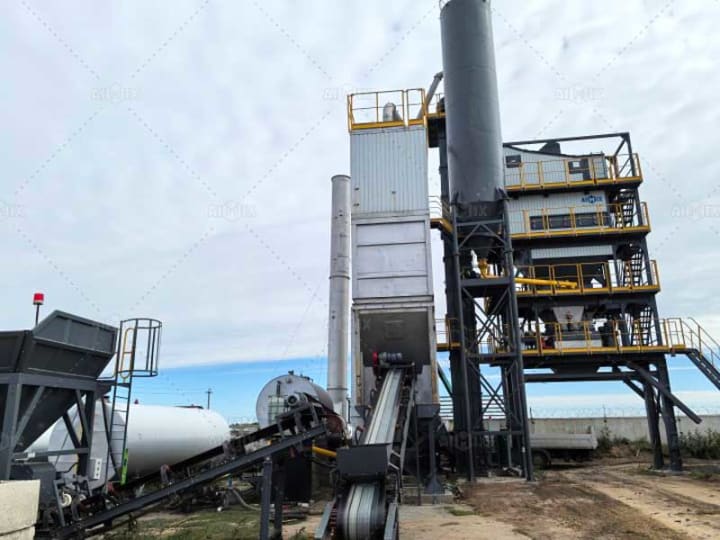
At AIMIX Indonesia, we provide full asphalt plant solutions for tollway developers. Our 200 TPH asphalt mixing plants are designed with:
Heavy-duty burners and dust collection systems
Precise weighing for consistent mix quality
Energy-efficient drying and mixing drums
Local service support with spare parts and engineering
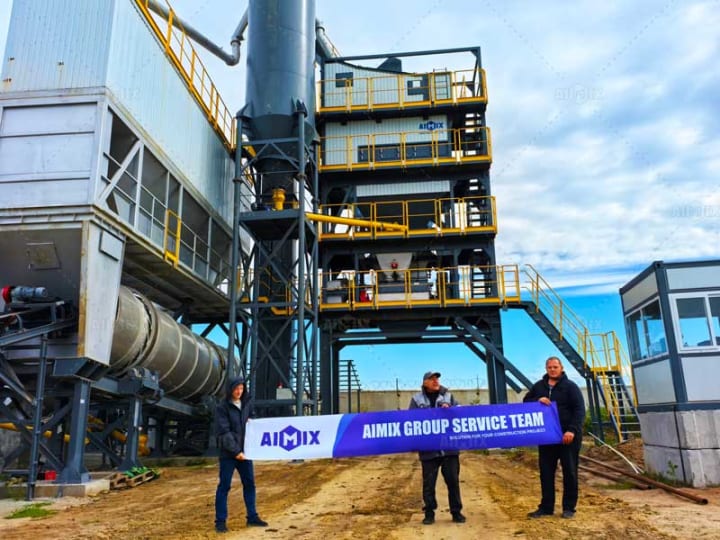
We’ve worked with developers across Indonesia, helping them reduce asphalt cost per ton and gain tighter control over their project timelines.
Conclusion: A Strategic Move for Large-Scale Projects
Investing in a 200 TPH asphalt mixing plant is not just a cost decision—it’s a strategic move. For tollway developers focused on quality, efficiency, and long-term profitability, the numbers speak for themselves. You gain full control over production, reduce per-ton asphalt costs, and improve on-time delivery rates.
Ready to Explore the Right Asphalt Plant for Your Tollway Project?
If you're planning a tollway development or managing multiple highway contracts, it's time to consider owning your own plant. Contact us today to explore our latest 200 TPH asphalt mixing plant models and talk to our project engineers. We’re here to support your success—from design to installation, and beyond.
About the Creator
consrtuctionmachines
AIMIX is a customer-center-oriented heavy equipment manufacturer and supplier, devoted to production, innovation, combination, one-stop solution, etc.
https://aimixgroup.com/
Keep reading
More stories from consrtuctionmachines and writers in Trader and other communities.
Which Asphalt Plant is Suitable for Small-Scale Road Paving Projects Under 50 TPH?
When planning a small-scale road paving project, choosing the right asphalt plant is a critical decision. Especially for contractors working on rural roads, village paths, or local municipal upgrades, finding mini asphalt plants for sale that offer stable output without overspending is key. So, what kind of asphalt mixing plant fits projects with production needs under 50 tons per hour (TPH)? In this post, we explore practical solutions from a contractor's perspective.
By consrtuctionmachines8 months ago in Trader
Assisted Reproductive Technology Market Size and Forecast 2025–2033
Introduction The global Assisted Reproductive Technology (ART) market has emerged as one of the most transformative segments within modern healthcare. According to Renub Research, the global assisted reproductive technology market size was valued at USD 27.76 billion in 2024 and is projected to reach USD 49.30 billion by 2033, expanding at a compound annual growth rate (CAGR) of 6.59% during 2025–2033.
By shibansh kumar2 days ago in Trader
Australia Drones Market Growth, Forecast, and Strategic Insights 2034
Drones, also known as unmanned aerial vehicles (UAVs), are rapidly transforming industries across Australia. Once primarily used for military applications, drones are now widely deployed in sectors such as agriculture, construction, logistics, mining, and emergency response. Their ability to capture real-time aerial data, monitor large areas efficiently, and perform tasks in hazardous environments has made them a valuable technological tool for businesses and government agencies alike.
By Rashi Sharma4 days ago in Trader
Hottest in the Office
Dear Rafi, You’re very distracting to work around. For the first second I saw you the other day, I thought you were some type of executive. It took a moment to realize no, you were just the new guy, dressed up for the job he wants. Be still, my heart.
By Gabriel Shames6 days ago in Pride



Comments
There are no comments for this story
Be the first to respond and start the conversation.